
THE LIFE AND WORKS OF
SIR CLAUDE FRANCIS BARRY, BT., R.B.A
The Early Years
Born in 1883 into a wealthy industrialist family, Claude Francis Barry’s childhood was over shadowed by the loss of his mother when he was just two years old. Ostracised by his new stepmother, he grew up in a world of tutors and relatives rather than a traditional family home. This early displacement likely forged the reclusive, fiercely independent streak that would define his later years, as he sought solace through his works where solitary beings were depicted often in his paintings and etchings.
The Grand Tour
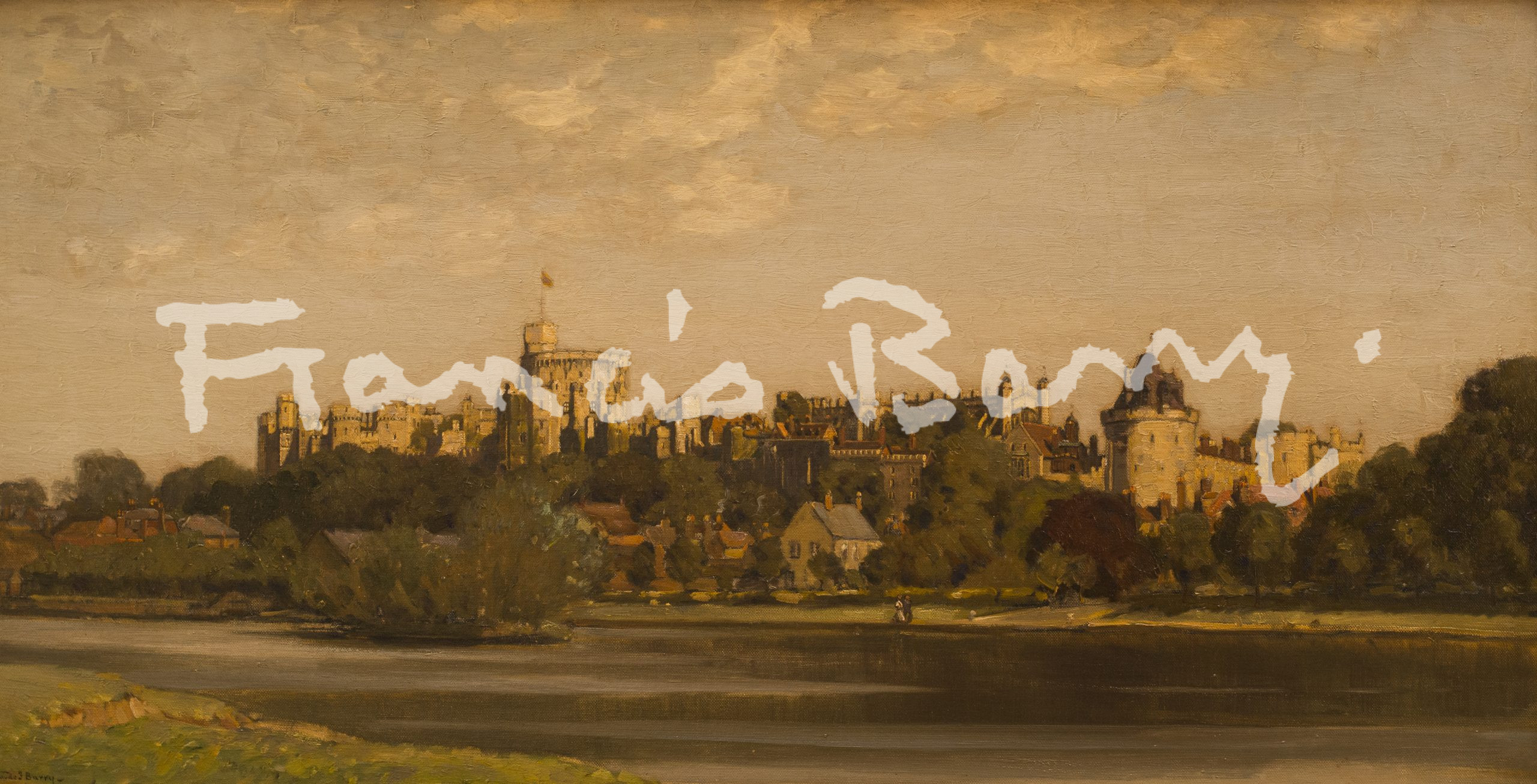
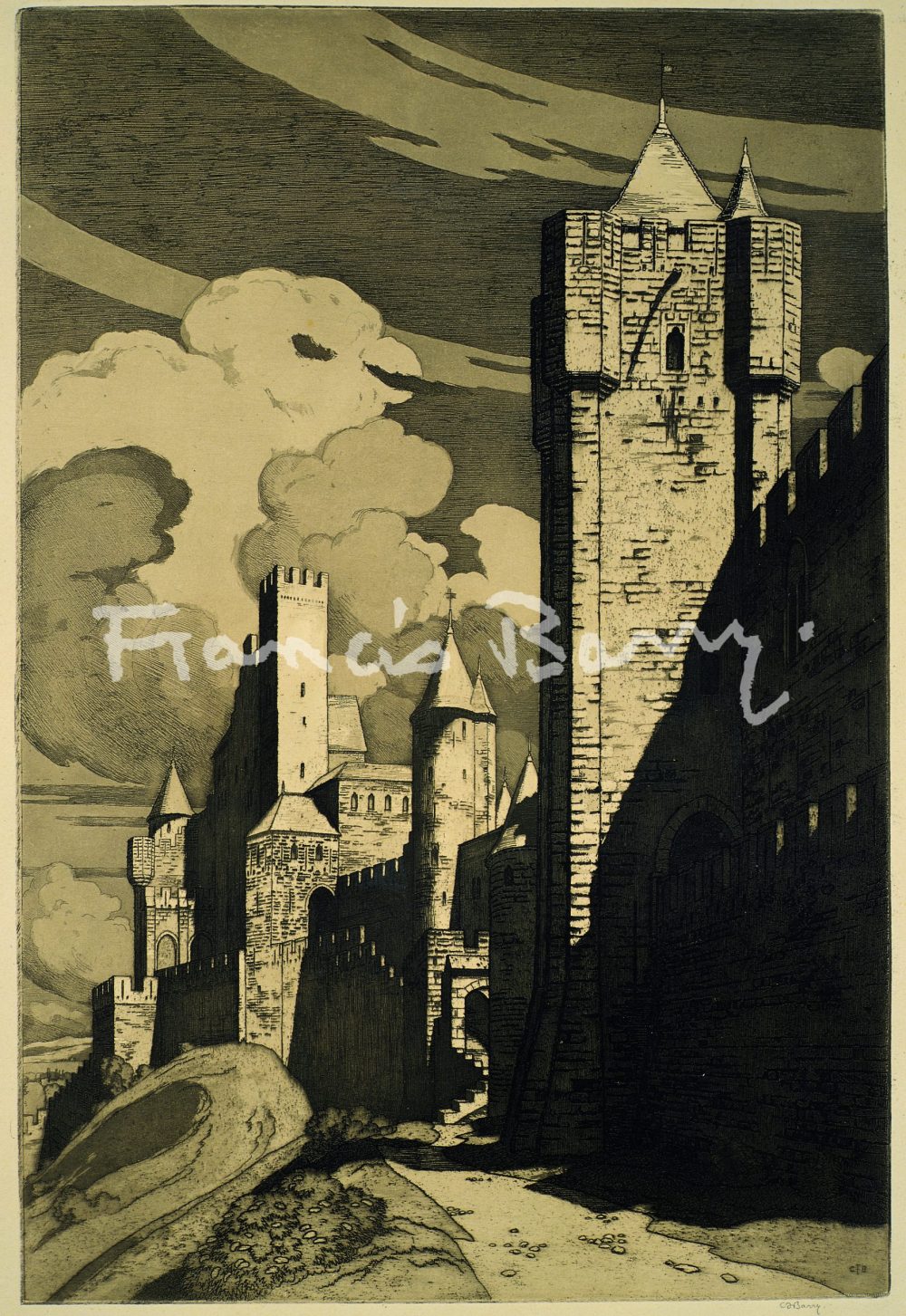
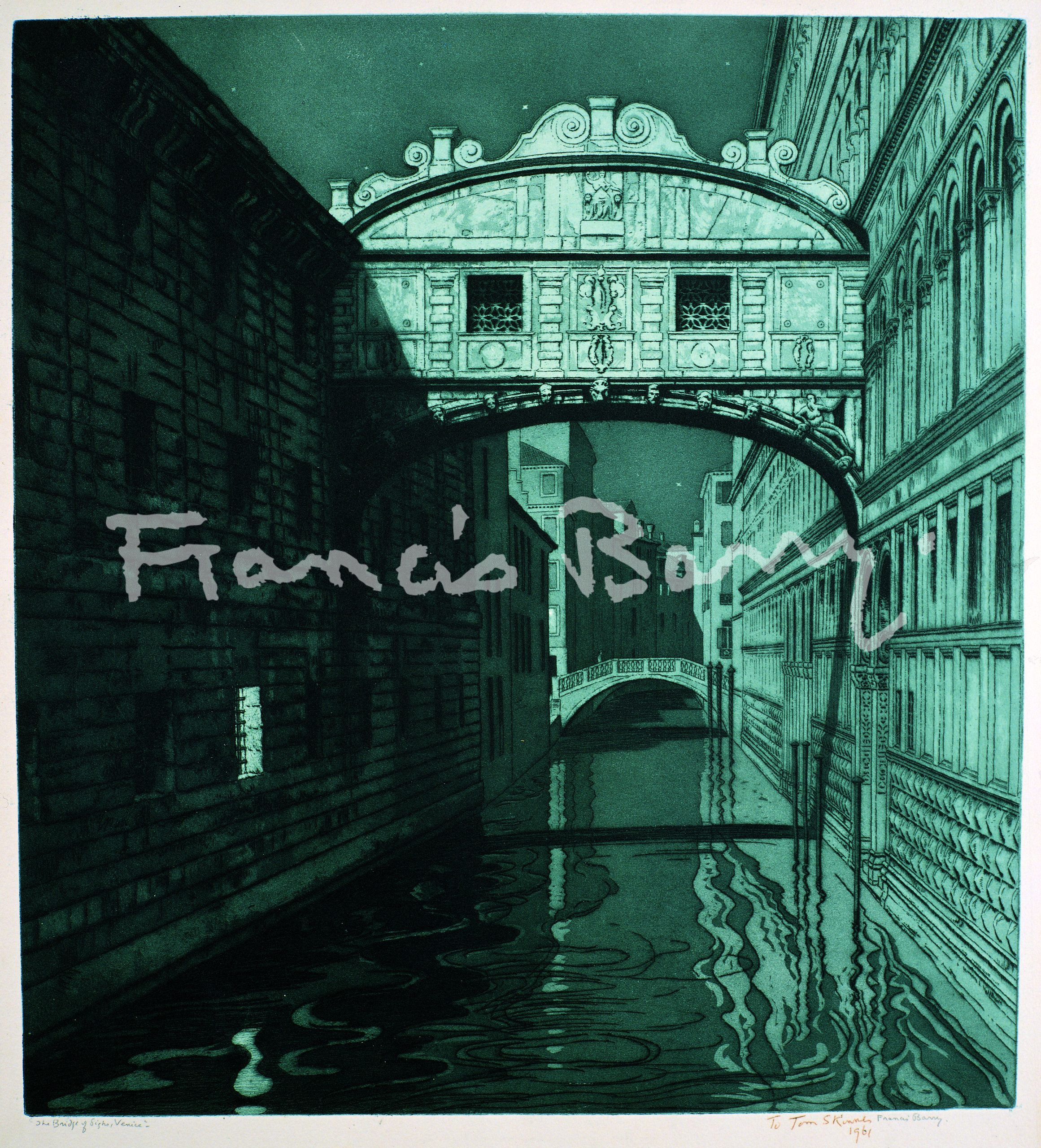
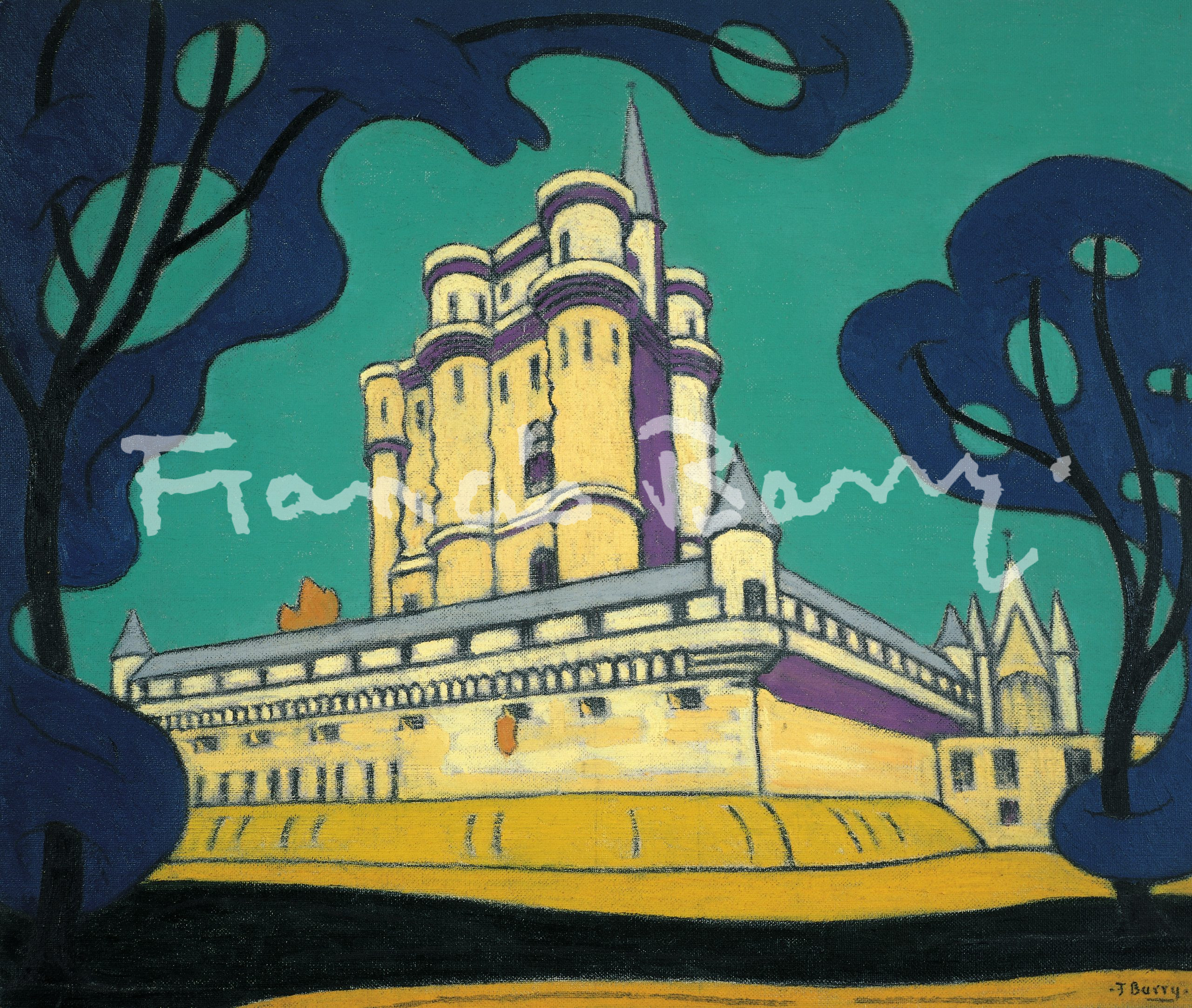
Following his departure from Harrow at sixteen, Barry embarked on a formative journey through Italy accompanied by a doctor and tutor, Mr. Prentice. This was more than a traditional aristocratic rite of passage; for Barry it was an immersion into the architecture and light of the European landscapes which would continue to provide much inspiration for his later works. These early sketches and observations laid the groundwork for his lifelong obsession with Continental subjects, providing him with a visual vocabulary that would eventually manifest in his complex etchings and vibrant canvases.
The Rebel Years
Barry’s rebellion was a pushback of the destiny laid out by his father, Sir Edward Barry. He defied family wishes to pursue art, settling in Newlyn and St Ives where he lived life as an artist. Toward the end of his time in Cornwall he left his first wife, Doris Hume-Spry, and their three children in 1922 to dedicate himself to his work, effectively cutting himself off from his father’s fortune and the expectations of the British baronetcy.
The Schools
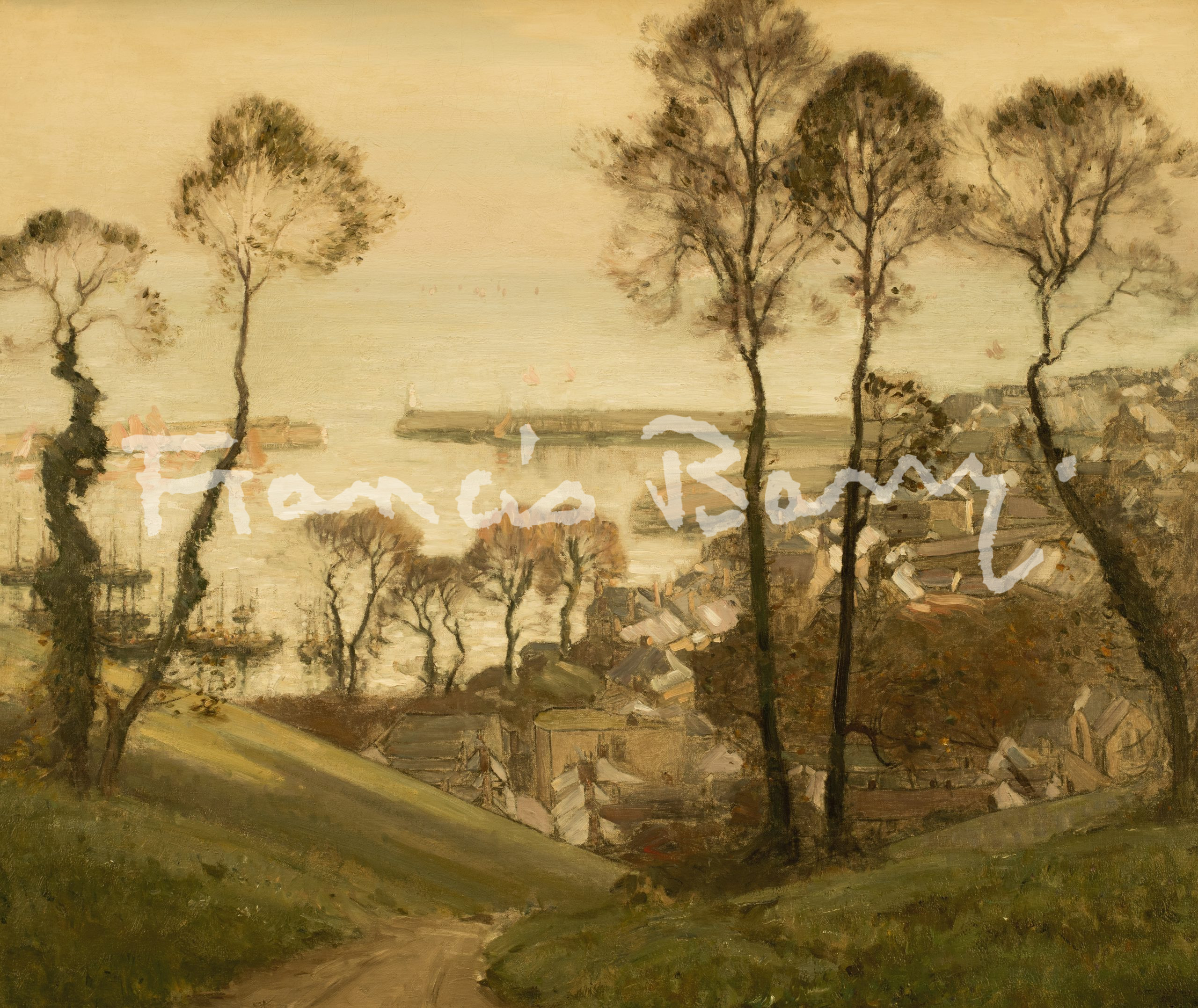
Barry’s formal education at Harrow School left little trace, no mention in the Headmaster’s Punishment book; nor does he feature in a log for sporting triumphs. His time at Harrow was cut short after only two years, following suggestions of mental struggles; in letters from his family they refer to his “illness” and question his mental stability. However, this time paved the way for his calling. Following the end of his Grand Tour in 1899, he enrolled at the Bournemouth School of Art. It was here, and under the private tutelage of Sir Alfred East and later at the Newlyn School tutored by Stanhope Forbes, that Barry transformed himself from a young and troubled young boy into a disciplined craftsman.
The Years Abroad
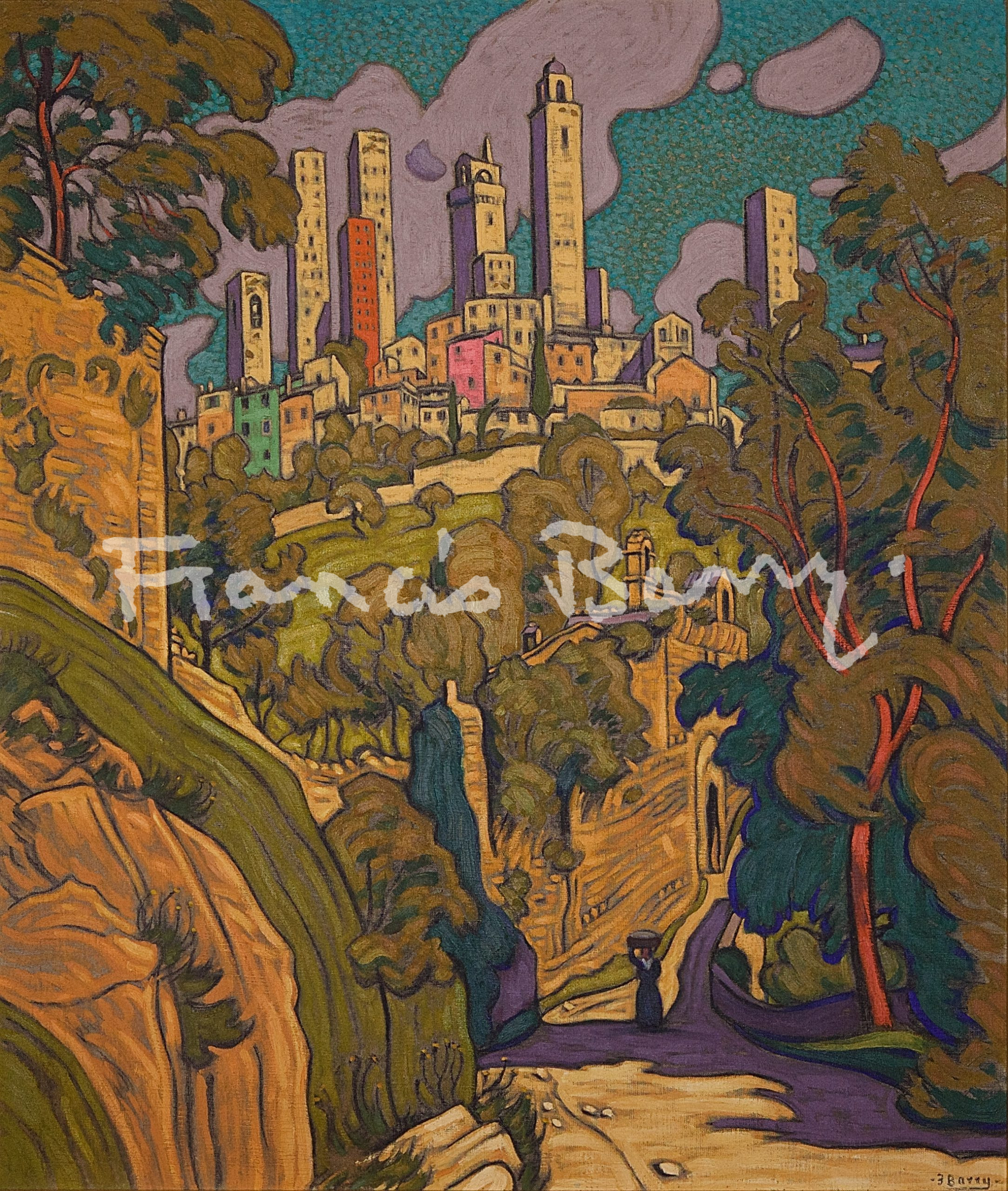
For nearly two decades, Barry spent his time in Europe, France, Italy, and southern Germany, often residing in Menton and Bordighera. During these years he lived as a bon viveur and a dedicated artist, capturing the elegance of European cities and harmony in the landscapes. Evidence of his works during this time suggest he was a wanderer; from town to town, documenting his journey on tracing and scrap paper and later meticulously translate them into masterful etchings.
While these years are somewhat of a mystery; a record remains of his successes as a croquet champion, winning the Menton Croquet Championship on 3 occasions, in 1922, 1923 and 1929. He is recorded as taking on students, despite claiming “teaching is slavery and prostitution”, he was still described as being an encouraging and generous teacher. In the late 1930’s, when the war threatened to overwhelm Europe, expatriates were advised to return to their home, and so reluctantly Barry returned to England, deciding to reside in St. Ives, Cornwall.
Wartime
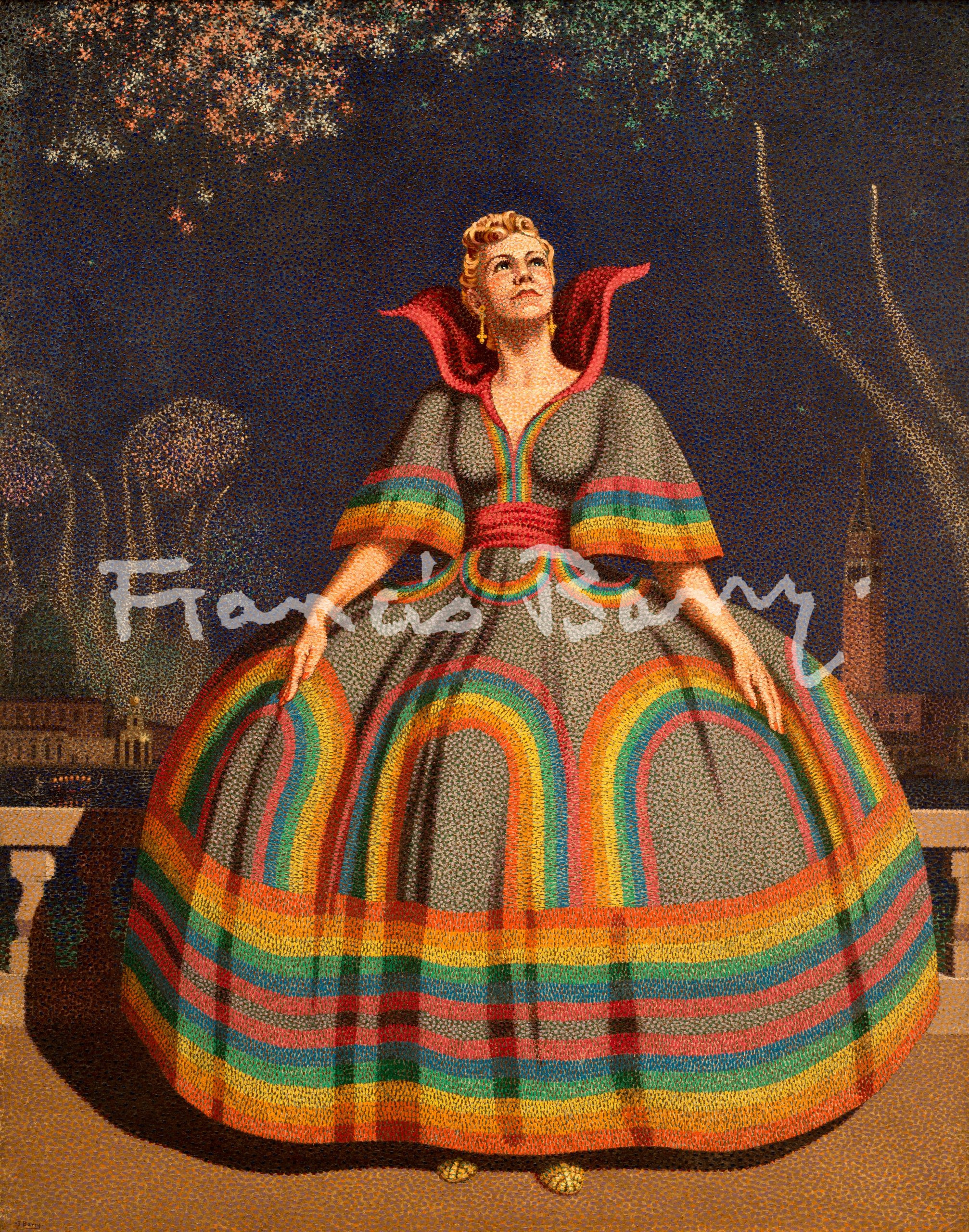
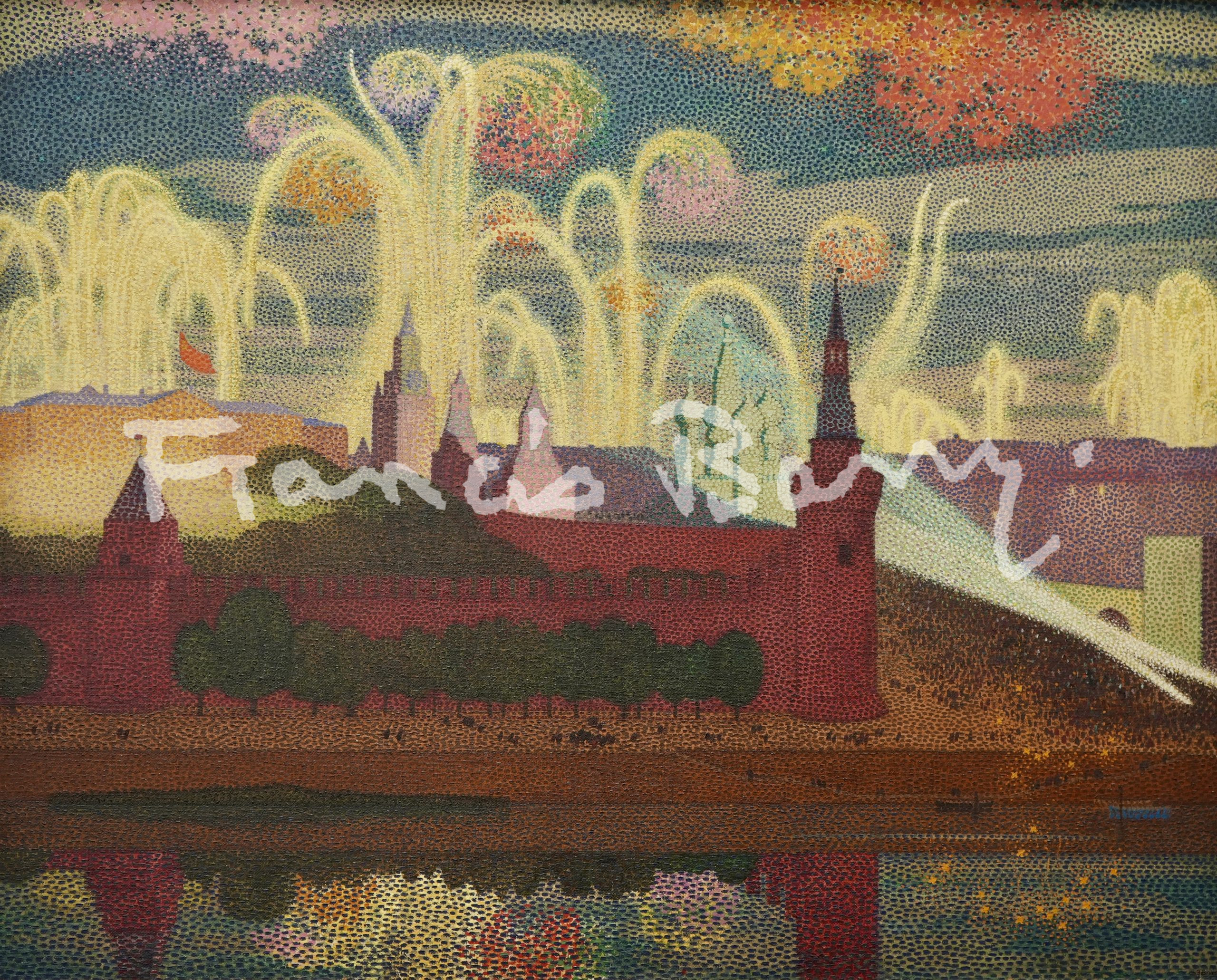
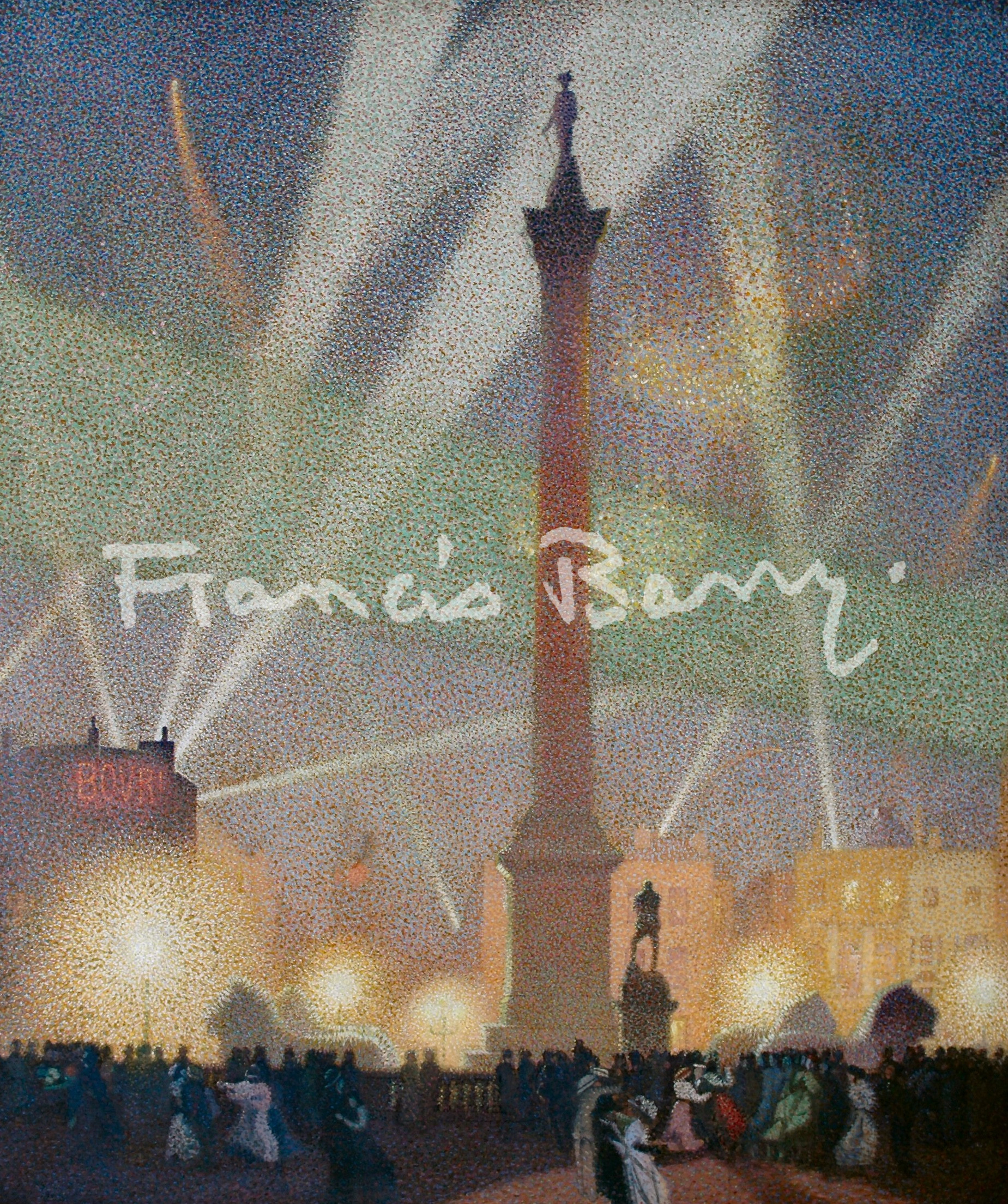
Exempted from active duty in the First World War due to health, Barry was drafted into agricultural labor: six months of digging potatoes that he later recalled as the worst time of his life. However, the wars sparked his most iconic work, he returned to oil painting to create haunting, Pointillist nocturnes. These large-scale canvases utilised the beams of searchlights to transform the terror of the London air raids into a shimmering geometry of light and shadow. In World War II, he returned to pointillism, he executed these works in his Porthmeor beach studio, that was earlier occupied by Sir Alfred East. Many of Barry’s most notable works were completed during wartime. Seemingly, isolation and the need for emotional expression, inspired his subject matter and use of dramatic colour and impressive, vast compositions.
Jersey
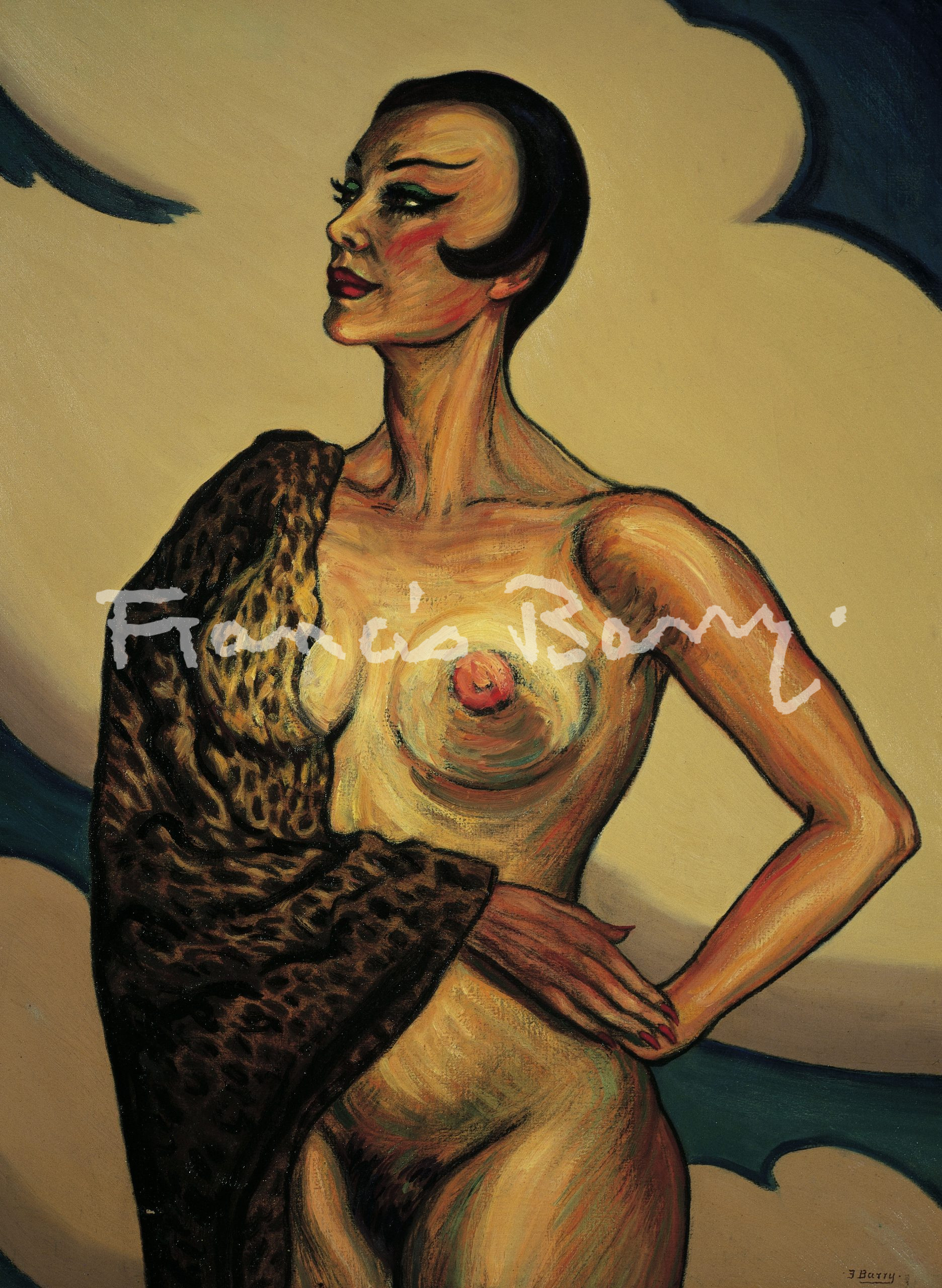
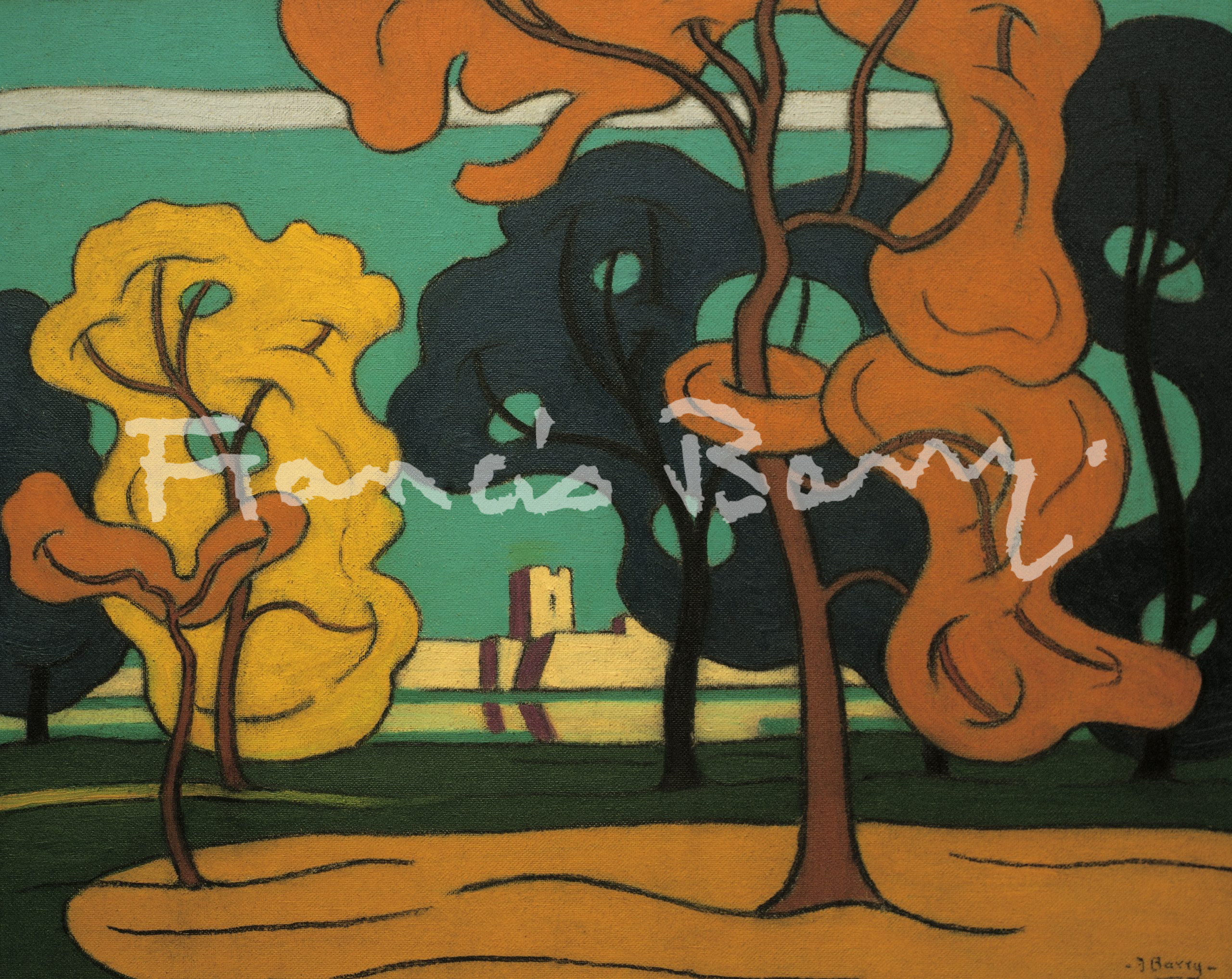
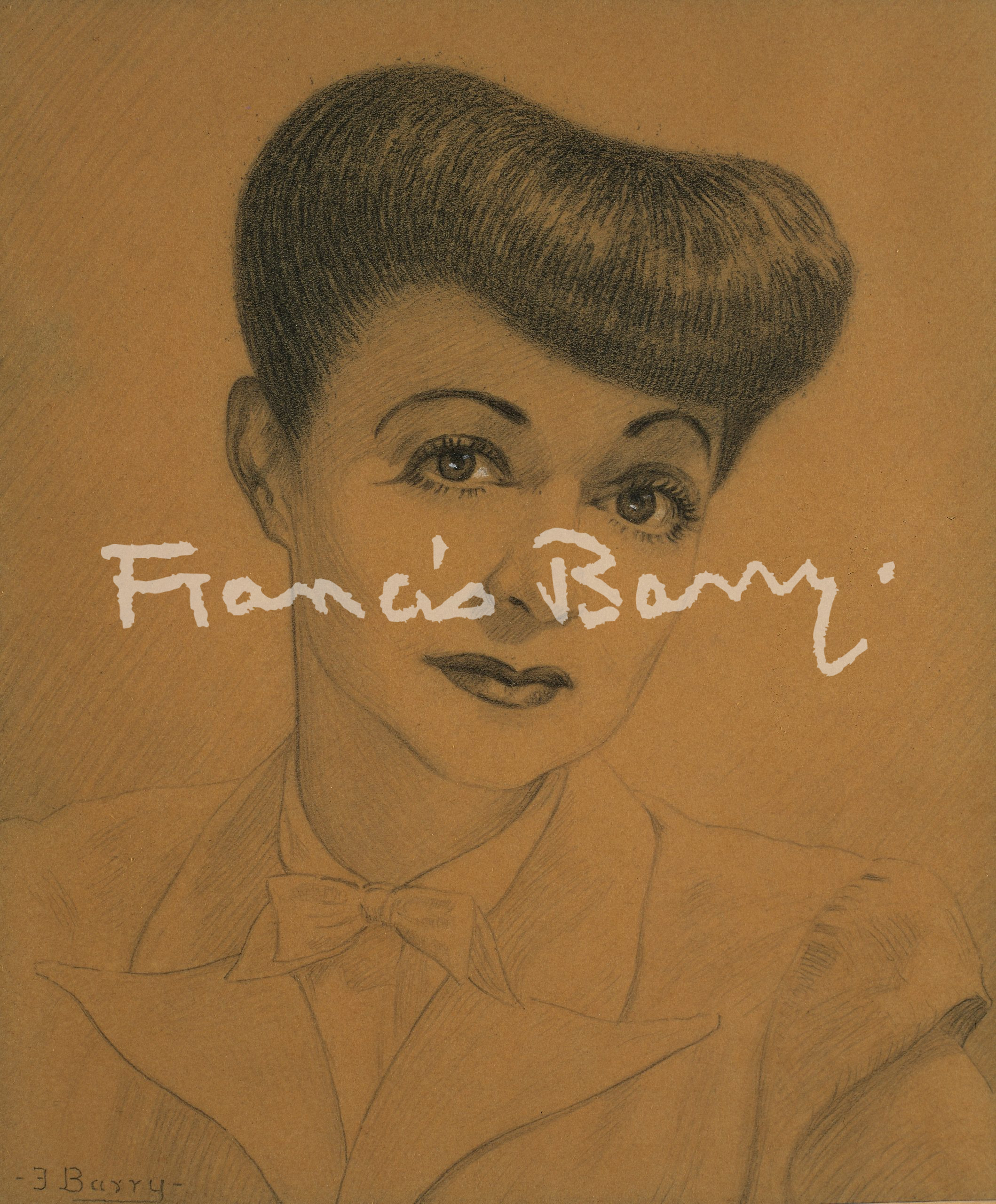
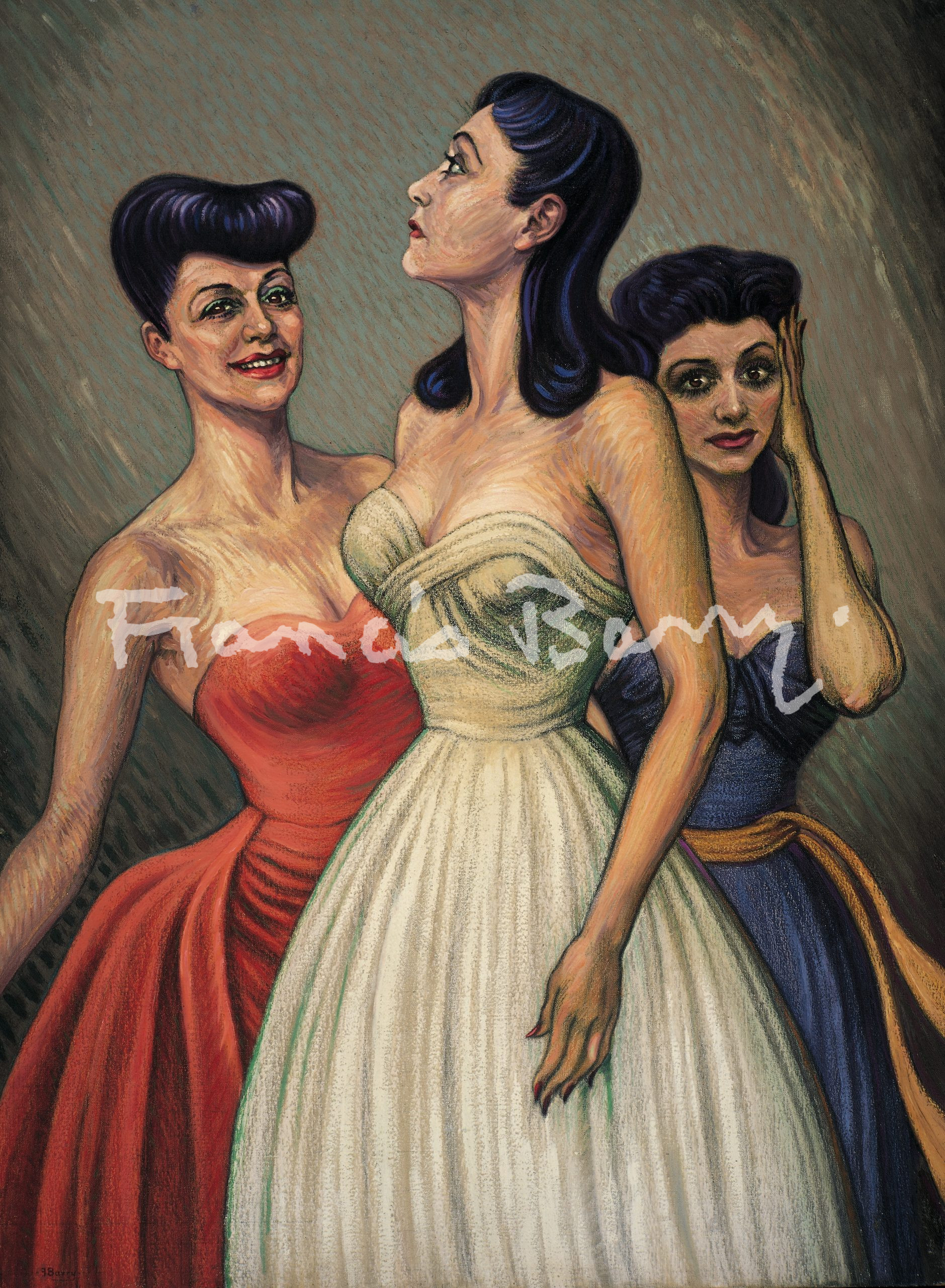
In 1945, Barry moved to Jersey, where he would spend his final decades. His style evolved once more, moving toward a minimalist simplicity with large blocks of colour and figurative works. He lived in small hotels and later with artist Tom Skinner. Barry remained prolific until the end, painting panoramas of the Jersey coastline obsessively and portraits, mostly of women, and often nudes prominently featured in the many works Barry produced during this time. Doreen Durrell, the wife of a local Doctor, appeared frequently in his paintings, but never in the nude. Barry spent his spare time in the Robin Hood Pub, and consumed Algerian Wine, Brandy, and chain-smoked cheap cigars. It wasn’t until late in 1968 when Barry finally stopped painting; he grew sick, moving to Kent where he lived initially with his family, and later in a nursing home. He died peacefully, after an outing with his son in 1970.
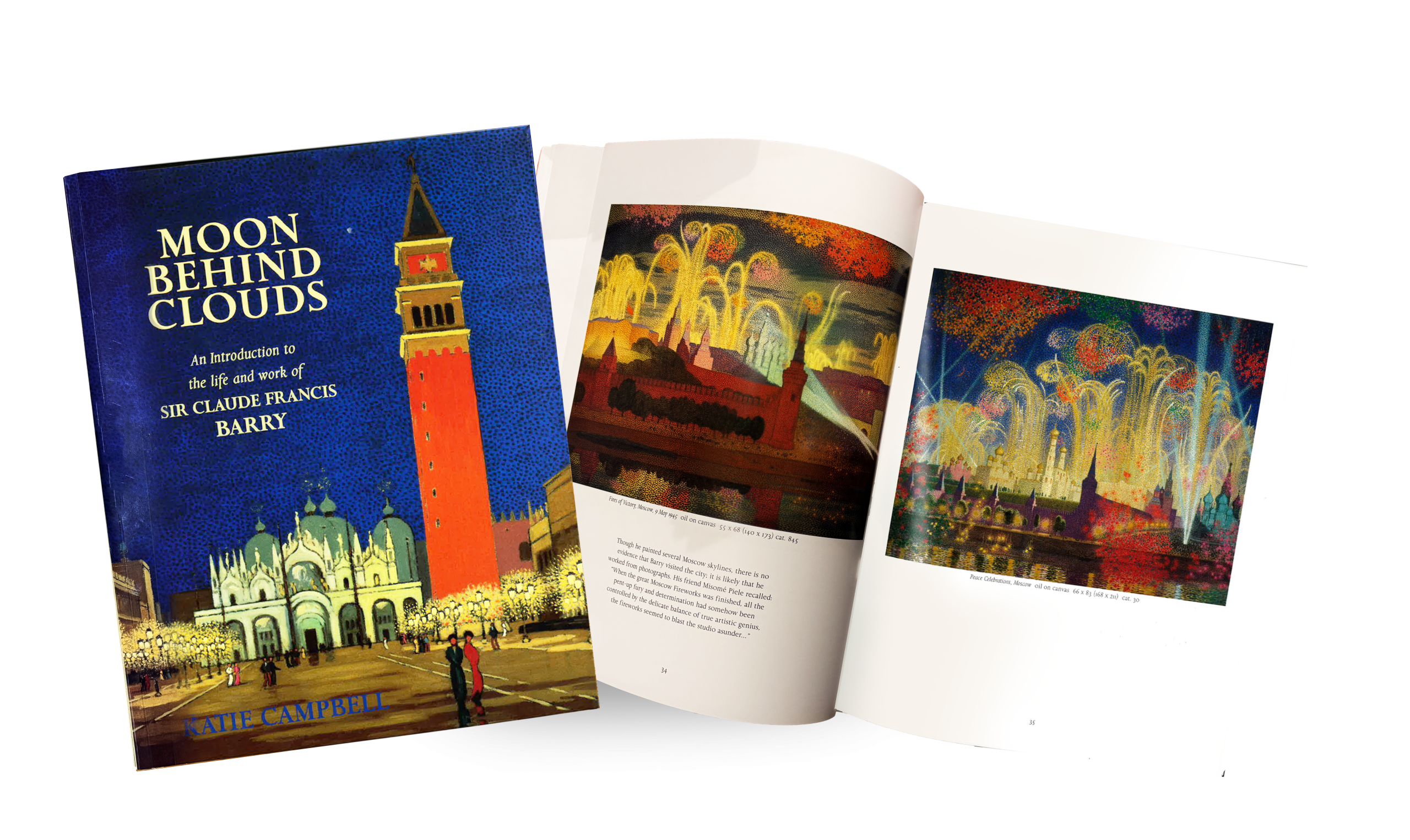
Moon Behind Clouds offers a richly illustrated introduction to Sir Claude Francis Barry’s life and art. This definitive 256-page study is a perfect companion to the website. Available to order direct from us, just click below for further details.
To Purchase CLICK HERE

CONTACT US CLICK HERE
If you would like to receive more information about Sir Claude Francis
Barry, Bt., R.B.A, why not get in touch?