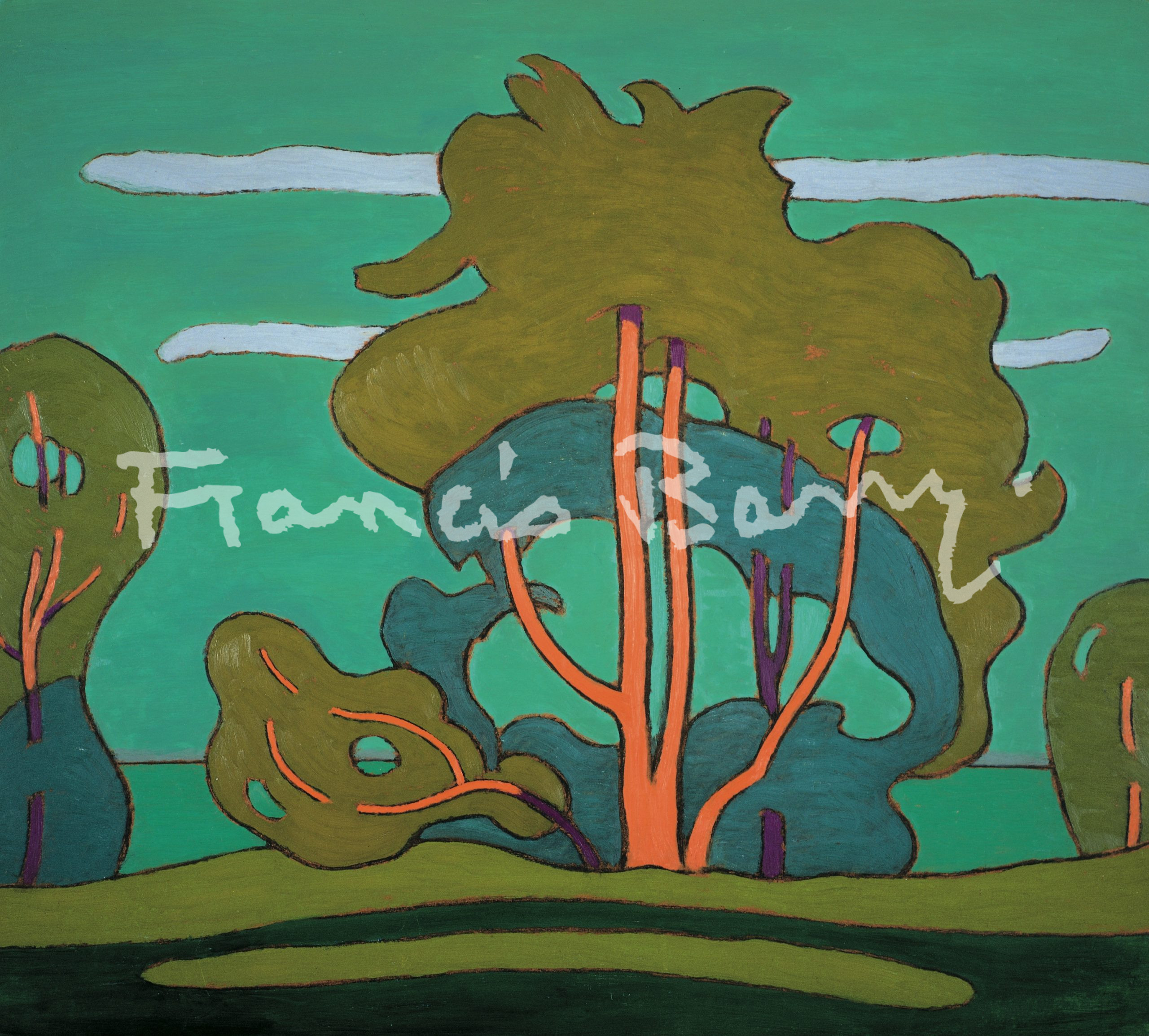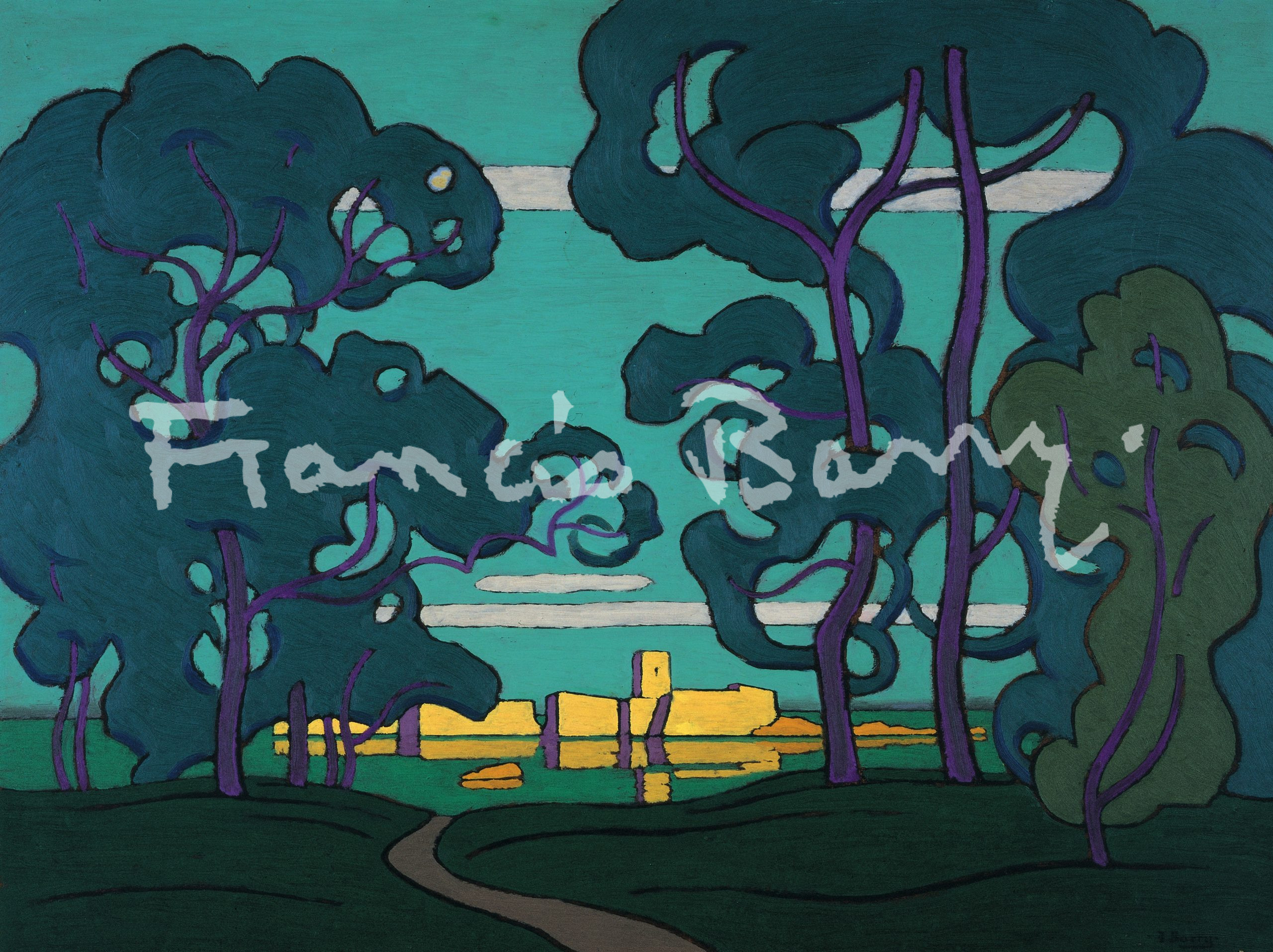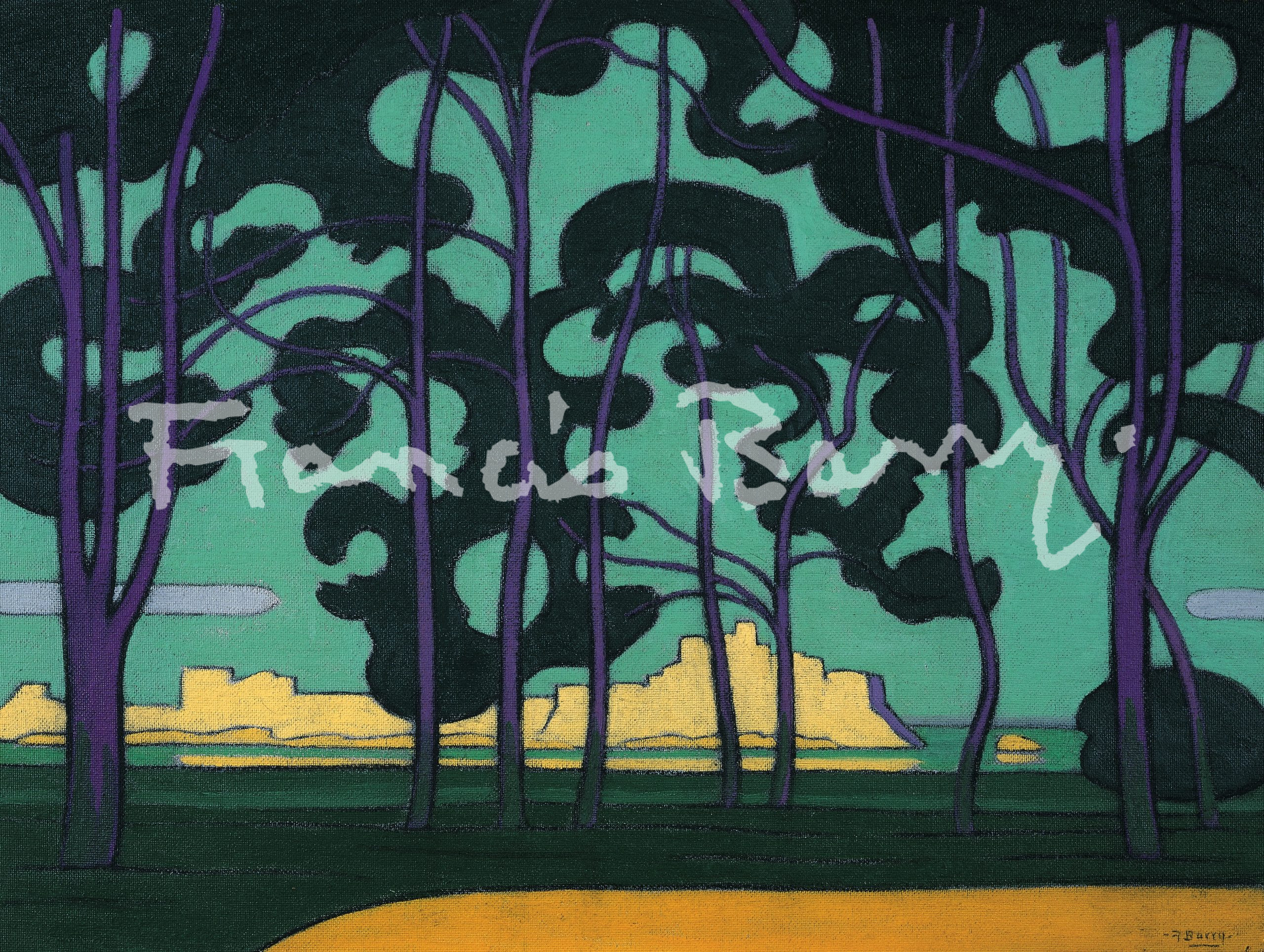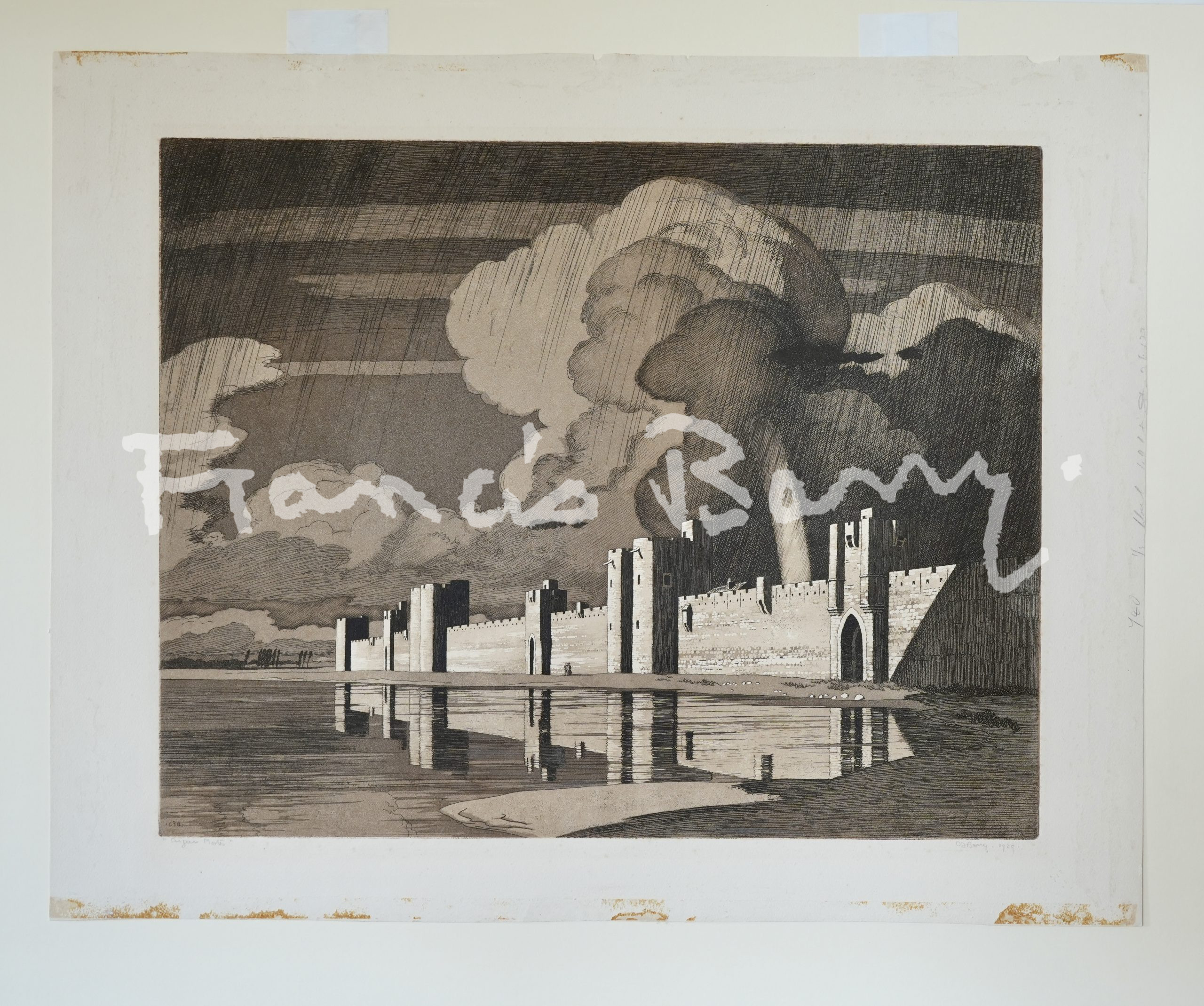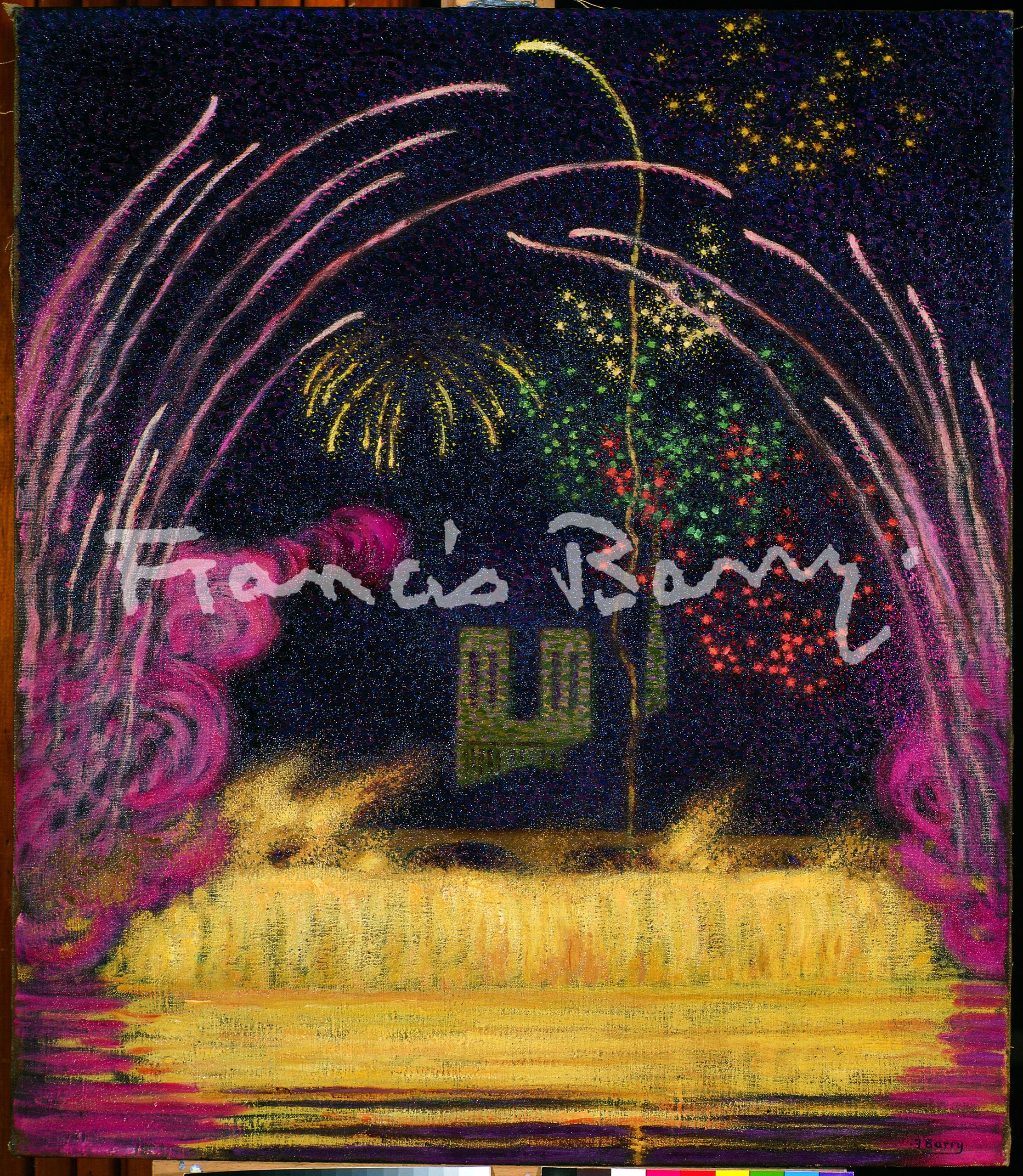

For Barry, the act of drawing was not a fluid or easy talent but a rigorous, often agonising process. Despite his stature as a master of colour throughout his artistic career, he admitted to hating drawing, because of its difficulty. Barry found the human anatomy particularly vexing, but simultaneously fascinating. He reportedly would often spend 6 hours a day for 3 weeks sometimes just to satisfy his standards for a single design. He viewed his drawing tools as instruments to communicate character and emotion, believing that simple lines alone should be capable of expressing the full spectrum of human feelings.
“He was never satisfied, he complained he could not draw and was troubled by the human anatomy”
– Misome Piele
“Just lines can express peace, happiness, anger, calm or storm”
– Barry from ‘painting’
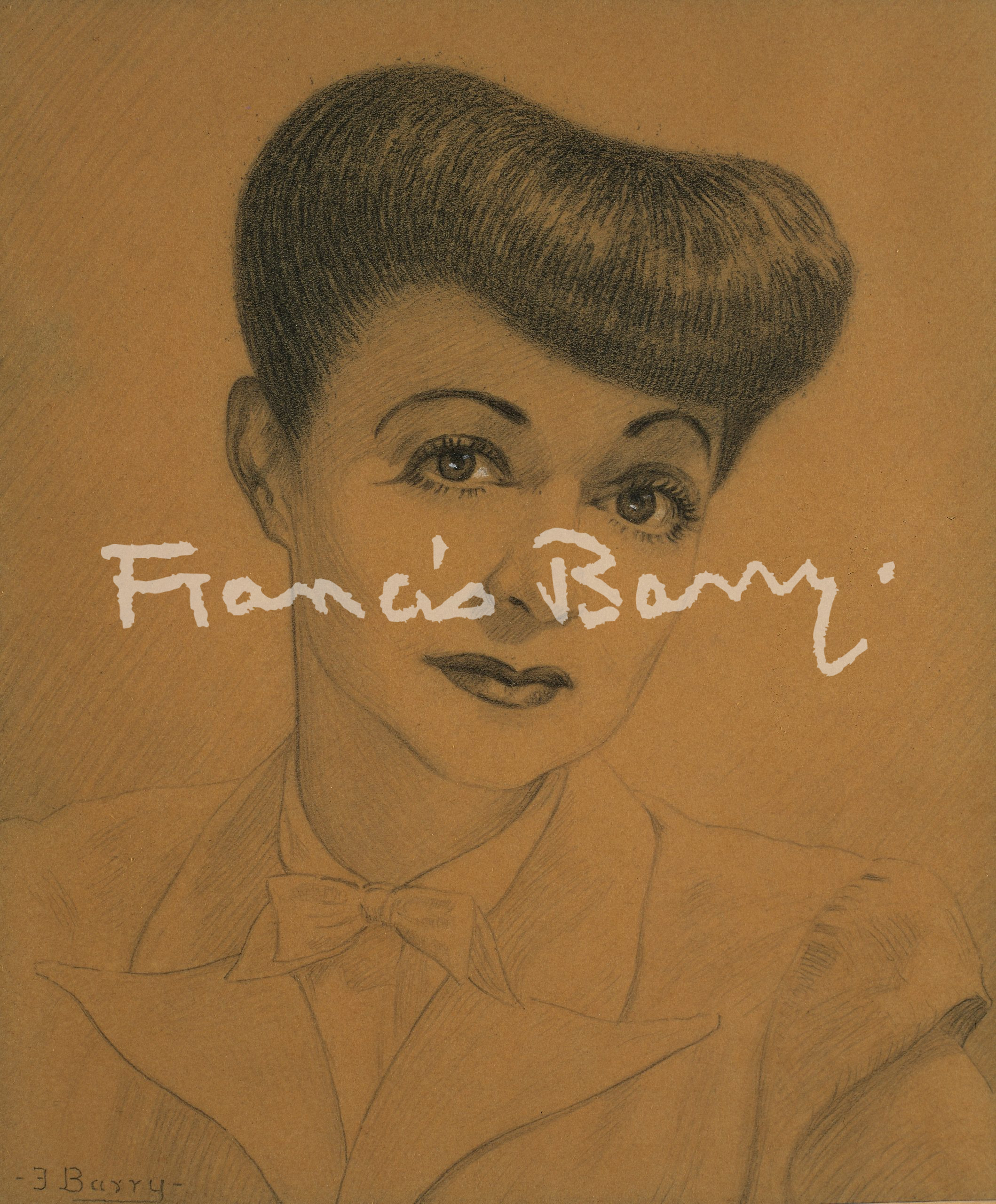
Perhaps due to his difficulty felt in drawing, Barry’s method for drawing was mathematical and disciplined. He relied heavily on a grid system to ensure accuracy, before he began building the expression of the work. After being satisfied with a sketch on a piece of tracing paper, he would cover the paper in half inch squares, transferring these squares with a 6H pencil meticulously onto his canvas or paper to maintain perfect proportions. The next phase of his process would include finalising the composition using charcoal, which he could correct using “fresh bread” and redraw a section until the perspective was perfect. As Barry would spend so long on his drawings, he would fix it, sometimes twice, to ensure a permanent foundation.
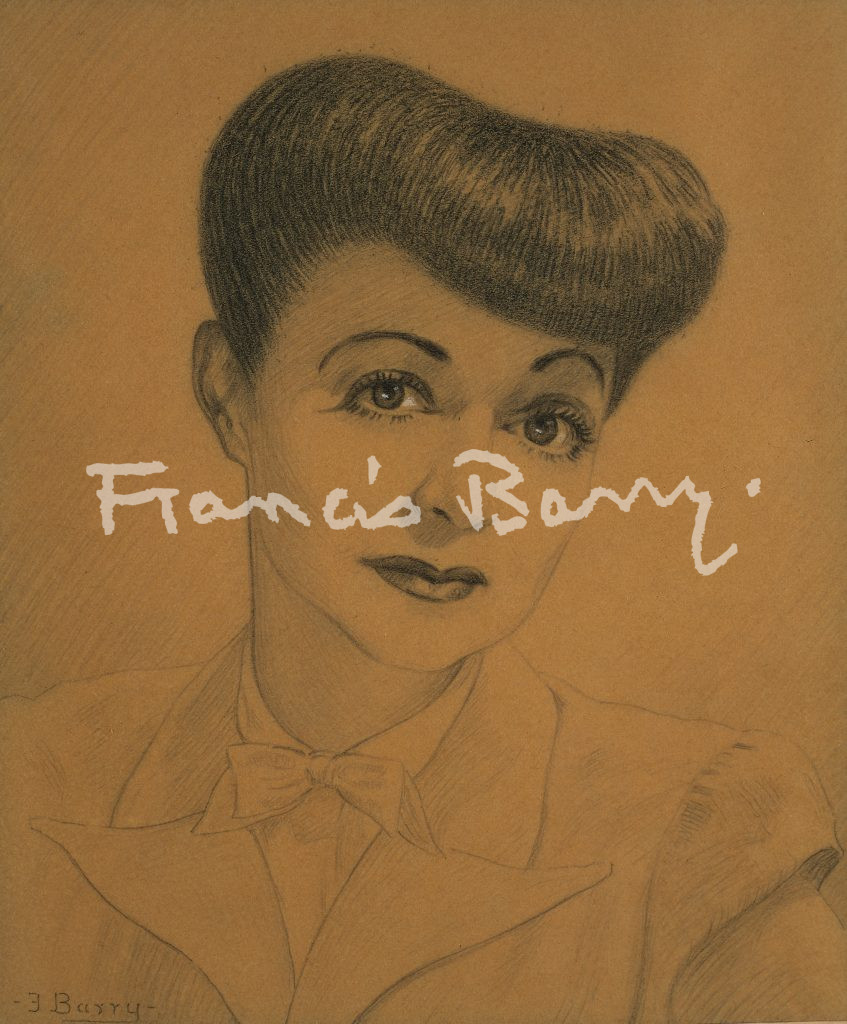
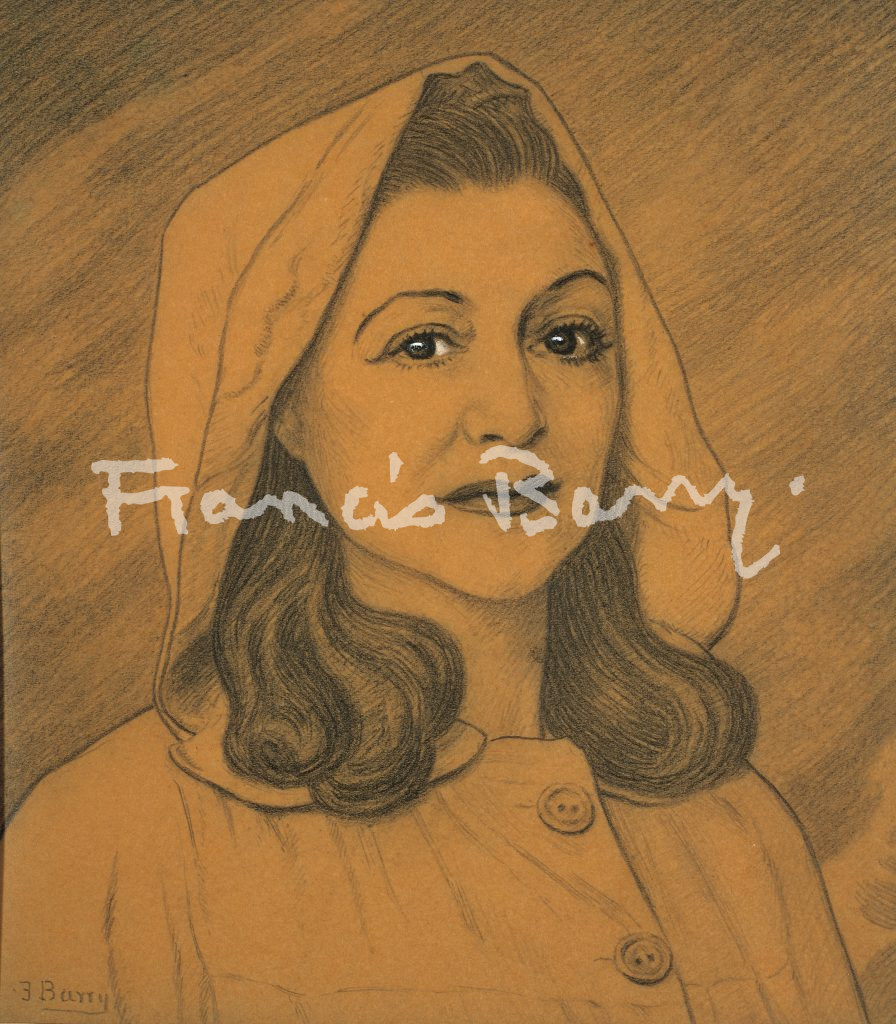
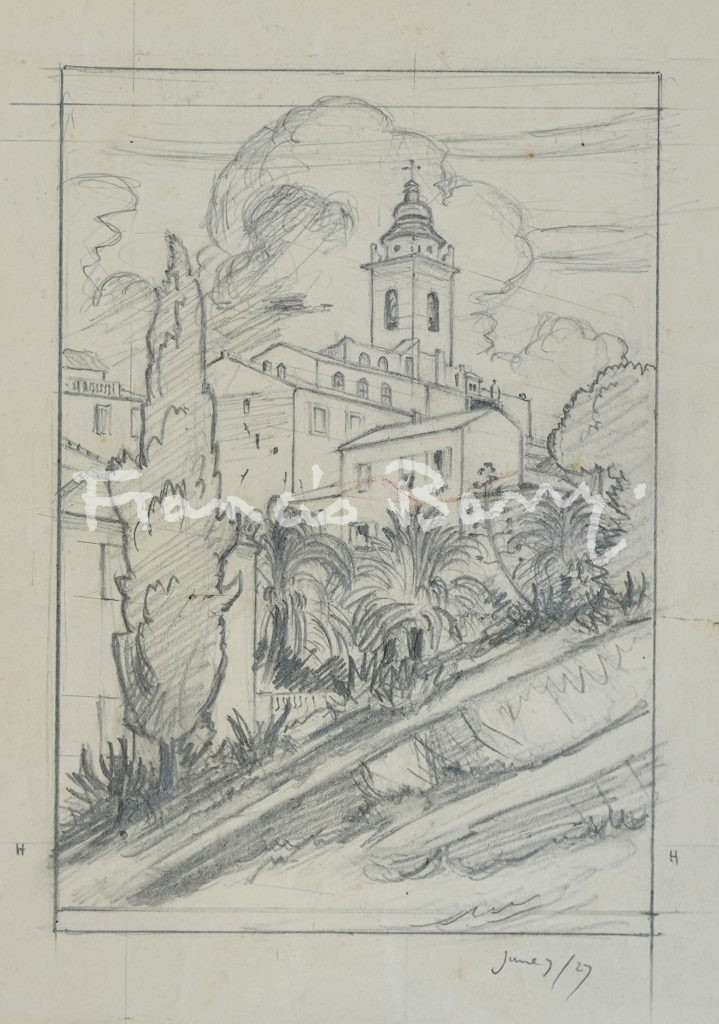
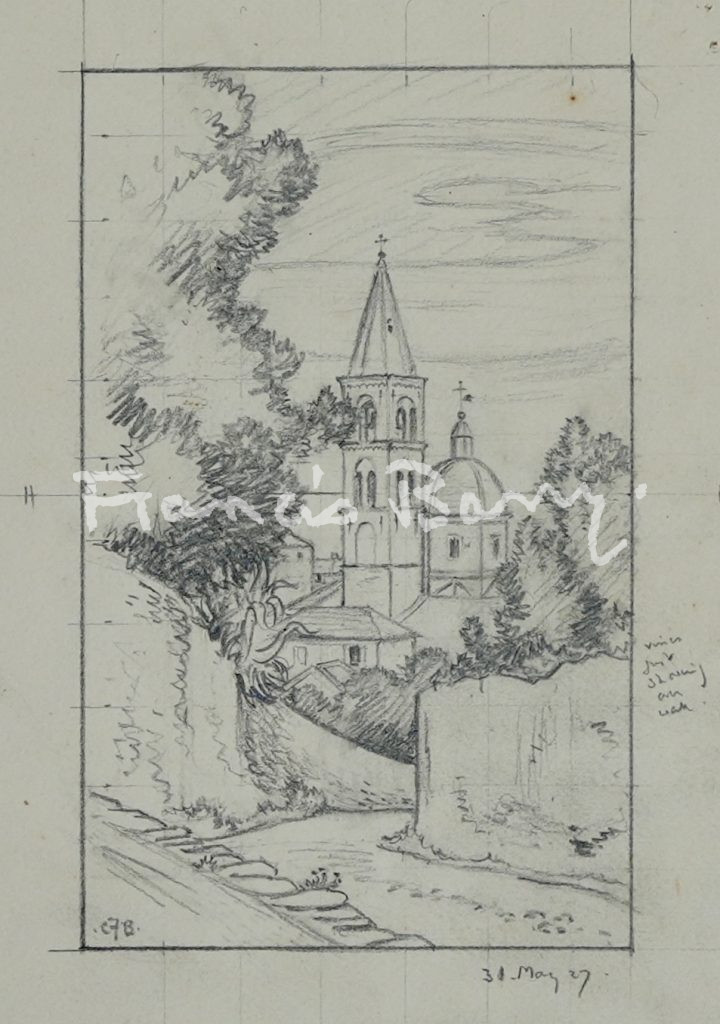

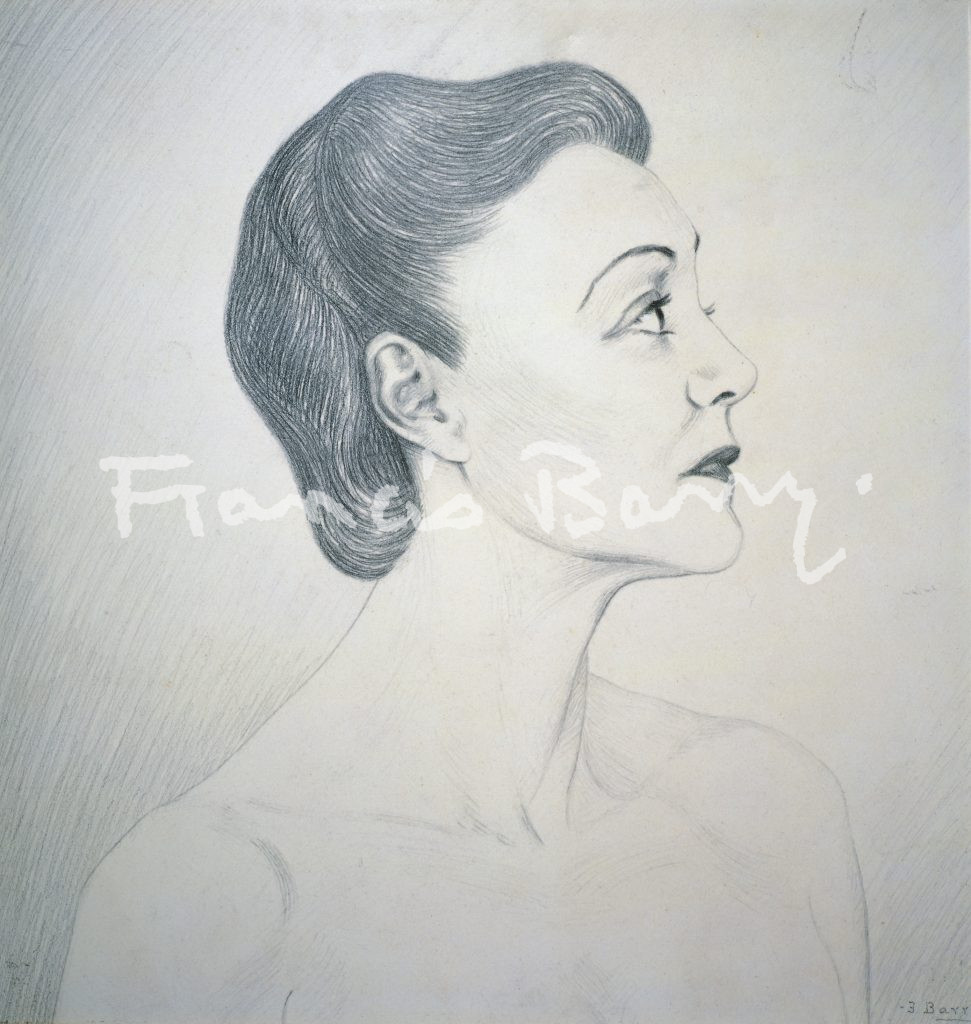
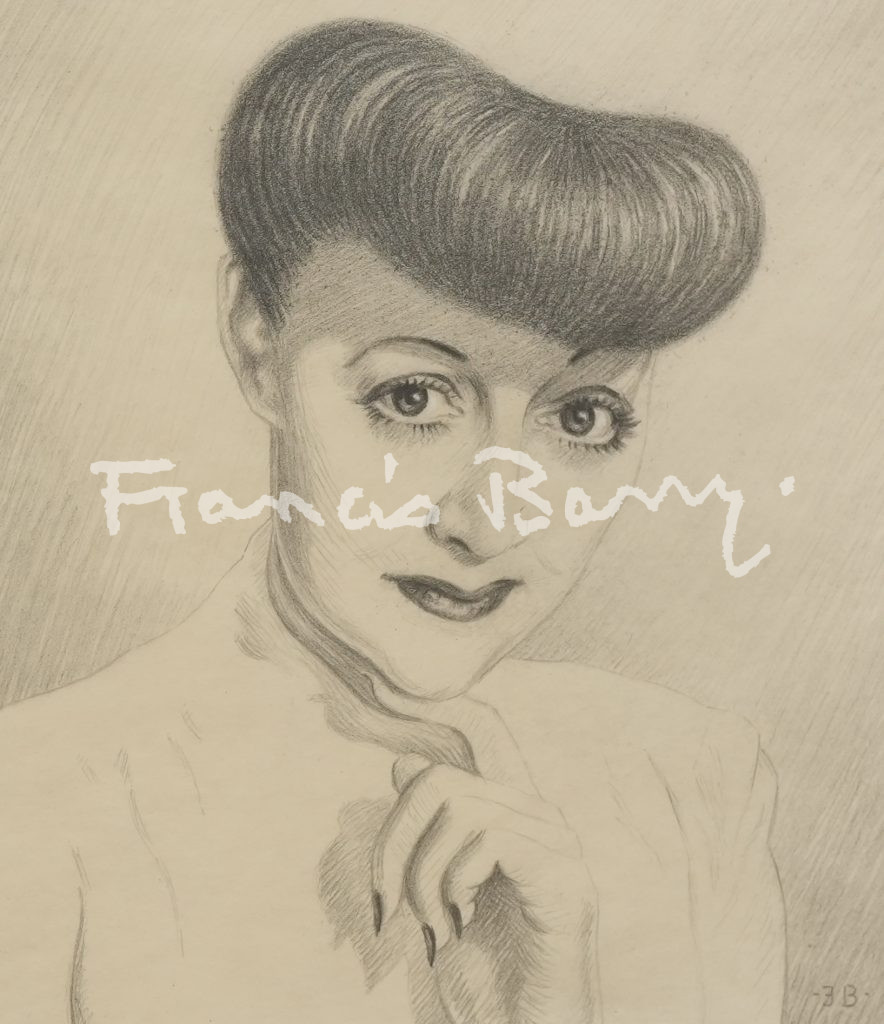
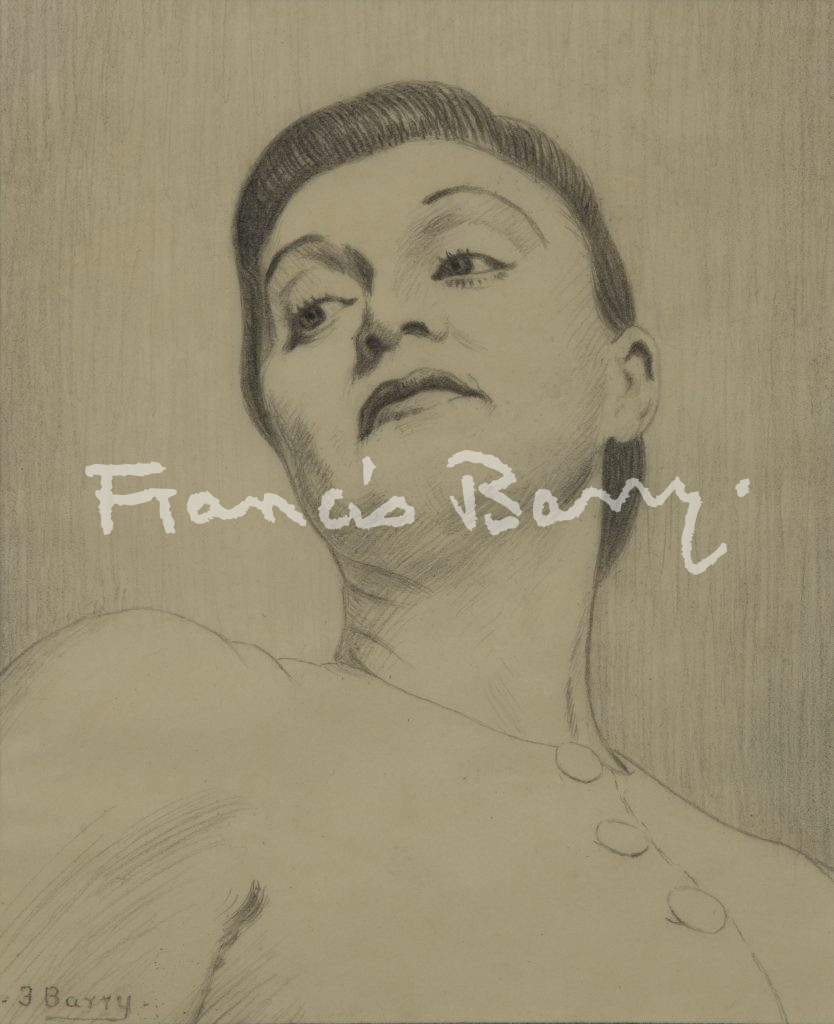
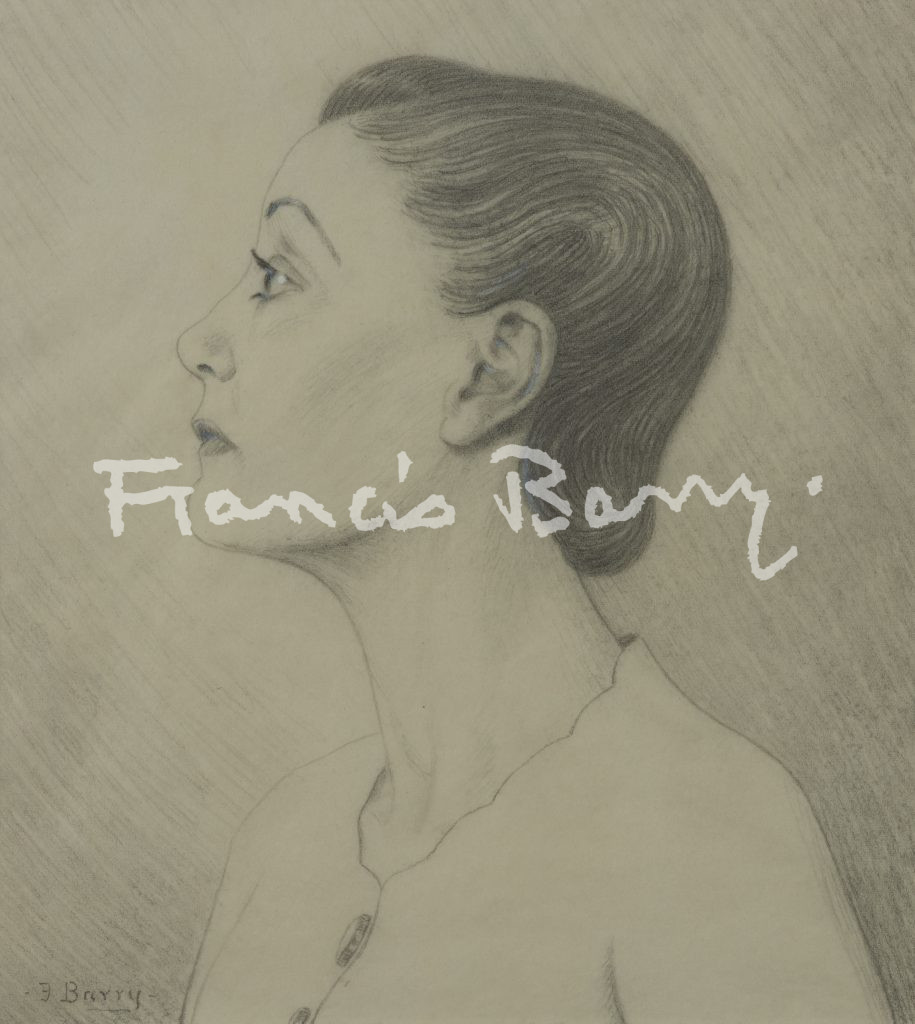
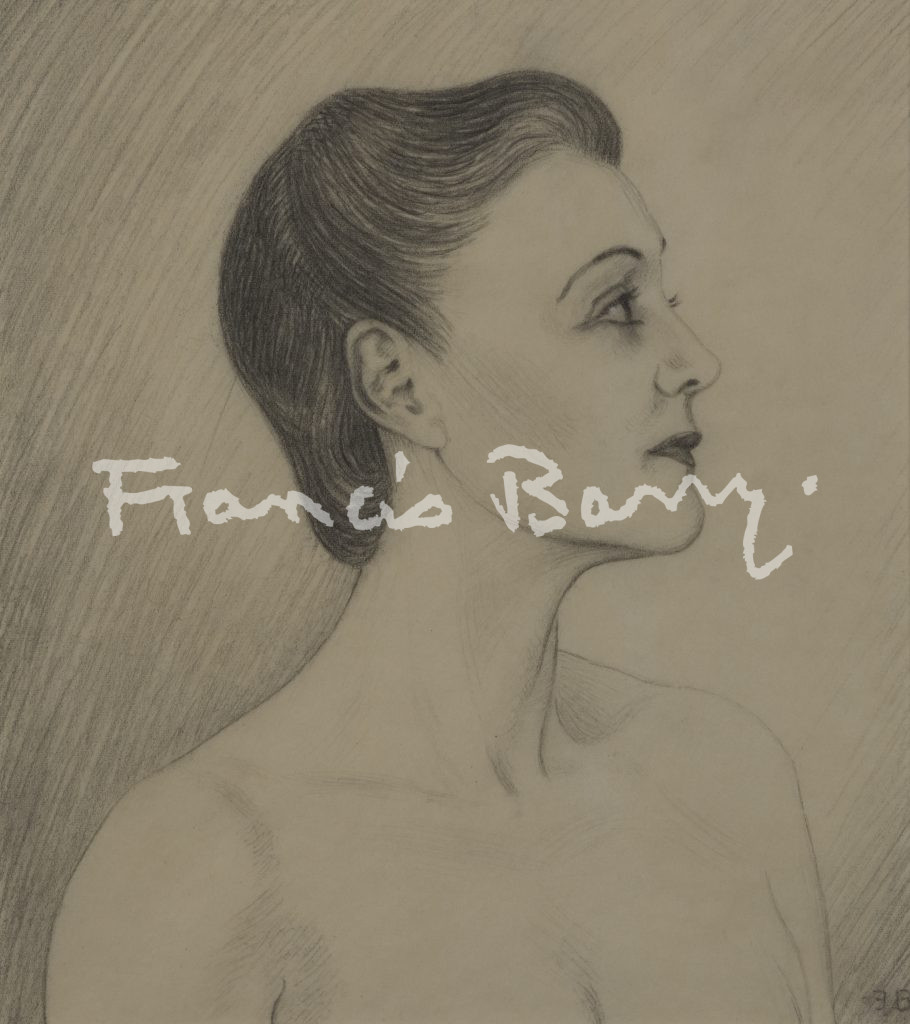
To Barry, drawing was a mental exercise in learning how to “see” before any mark-making took place. In his manuscript “Painting” Barry instructs the reader to look at a room not as a familiar space but as a “problem in perspective”. This analytical tactic in “seeing” is essential for an artist; he believe that unless an artist learns how to see the structural reality of the world, such as how light shines through a blade of grass rather than just on it, the artist cannot hope to draw any truth.
This perspective was even extended to time, arguing that a drawing will suffer should the artist become a slave to time; the hand must be guided by slow, unhurried observation of nature. Drawing became united when simplified, Barry would adhere to the “less is more” philosophy, where a drawing would be finalised when details of the drawing were taken out rather than added in, and he believed simple lines in a drawing could embody the character and expression of the work.
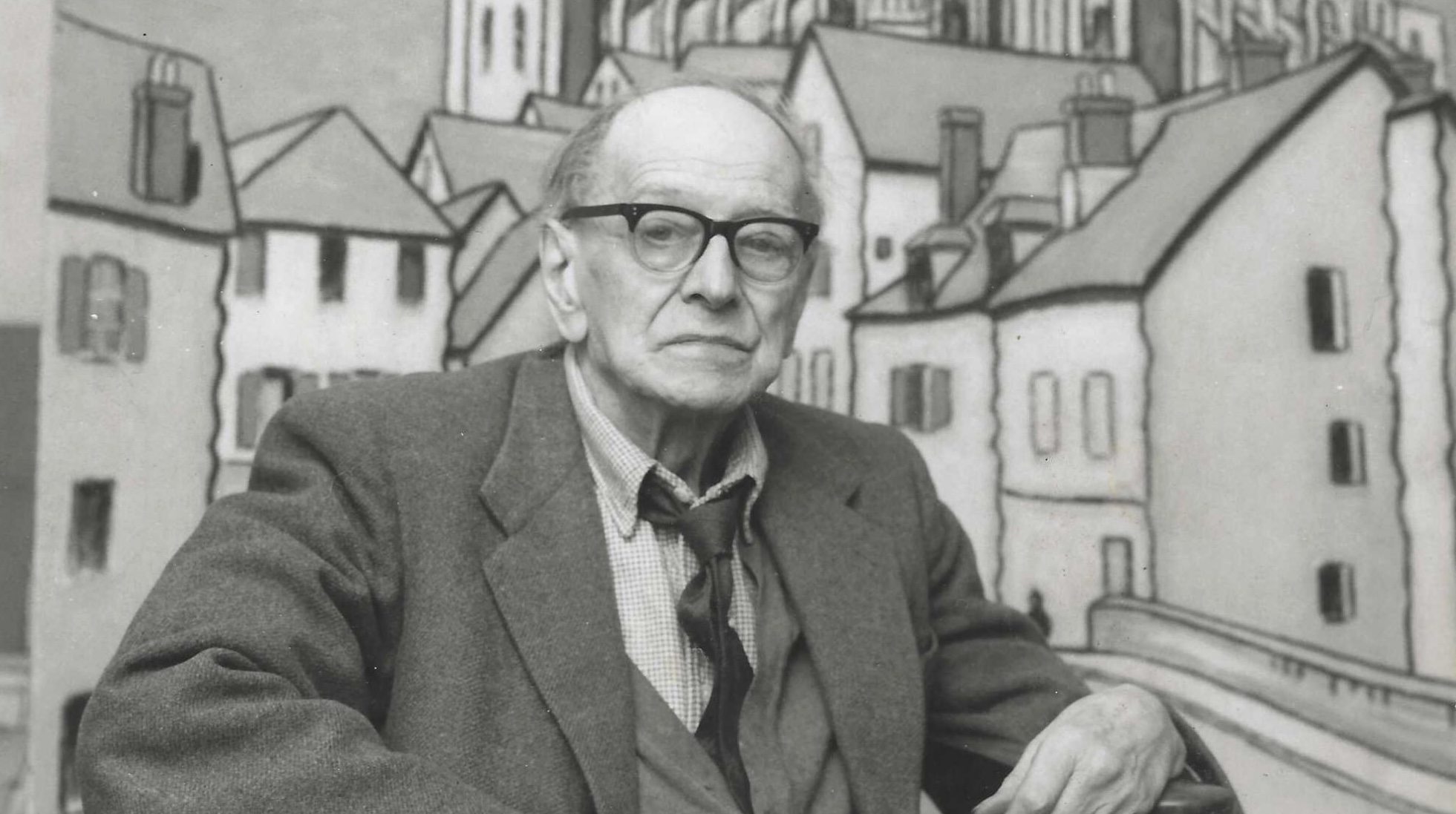
If you would like to receive more information about Sir Claude Francis
Barry, Bt., R.B.A, why not get in touch?