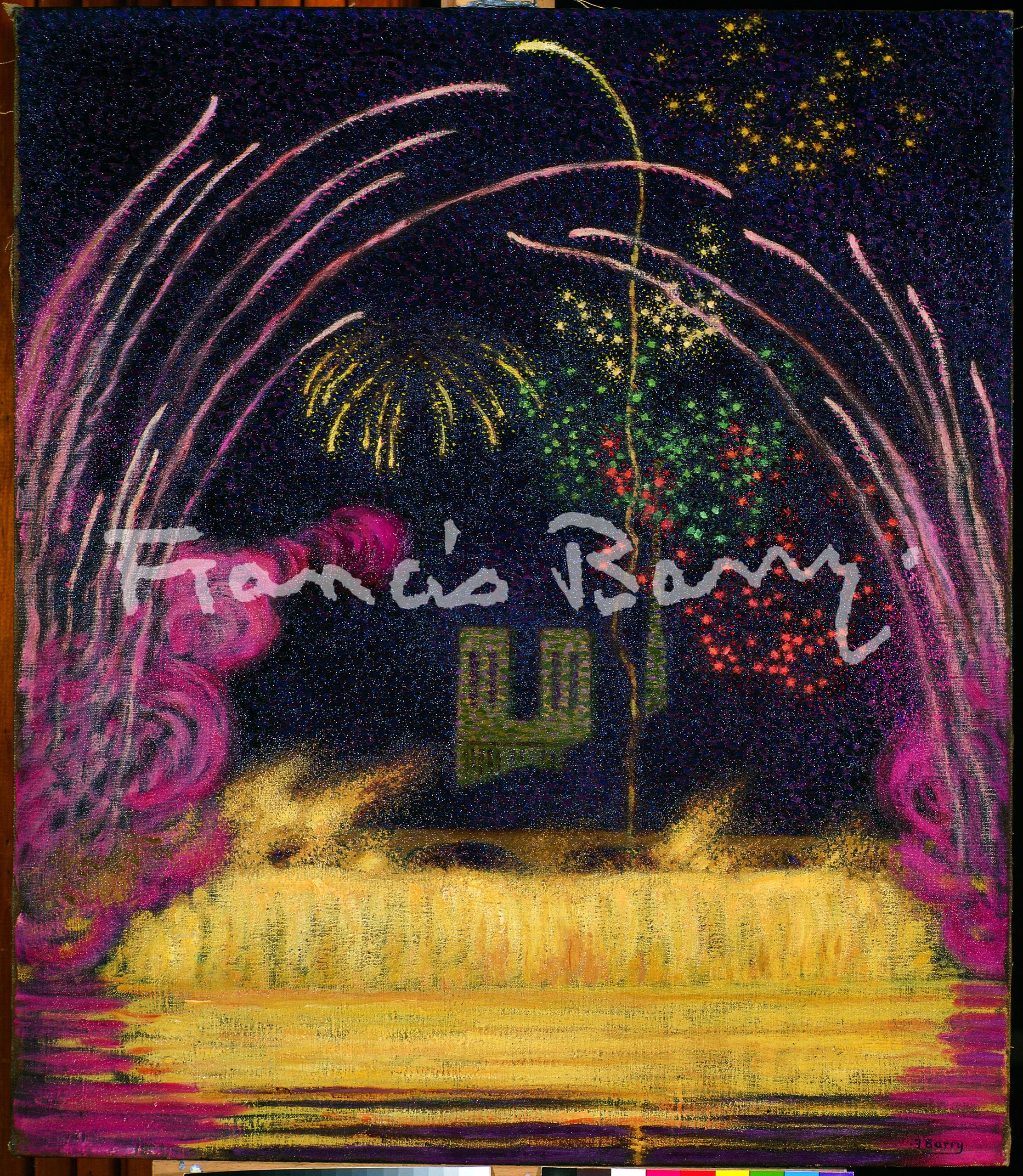

In creating a portrait, Barry’s process was one of painstaking preparation while committing to simplification, spending weeks on a drawing until the composition embodied the character of the model through lines alone. Barry once had the honour to be introduced to John Sargent at the nonmembers varnishing day at the Royal Academy; Barry, young and confident, told him he thought his portraits where more alive than anyone else’s, and asked Sargent why the fingers were just one streak of paint and the boots a “shapeless mass”. Sargent encouraged him to prioritise a centre of interest, focusing a single area with exaggerated colour and detail: an eye, a mouth, giving this area vitality, following the rest of the work with a much broader and unified touch, without this approach Barry states “your picture will just be a collection of details and will lack vitality, life and unity”.
“This was told me by Frank Brangwyn, to reduce all tones in your picture to not more than seven or perhaps even five”
– Barry from ‘Painting’
“Real drawing is drawing line to express, not a representative superficial likeness, but the character of the person of object you are drawing”
– Barry from ‘painting’
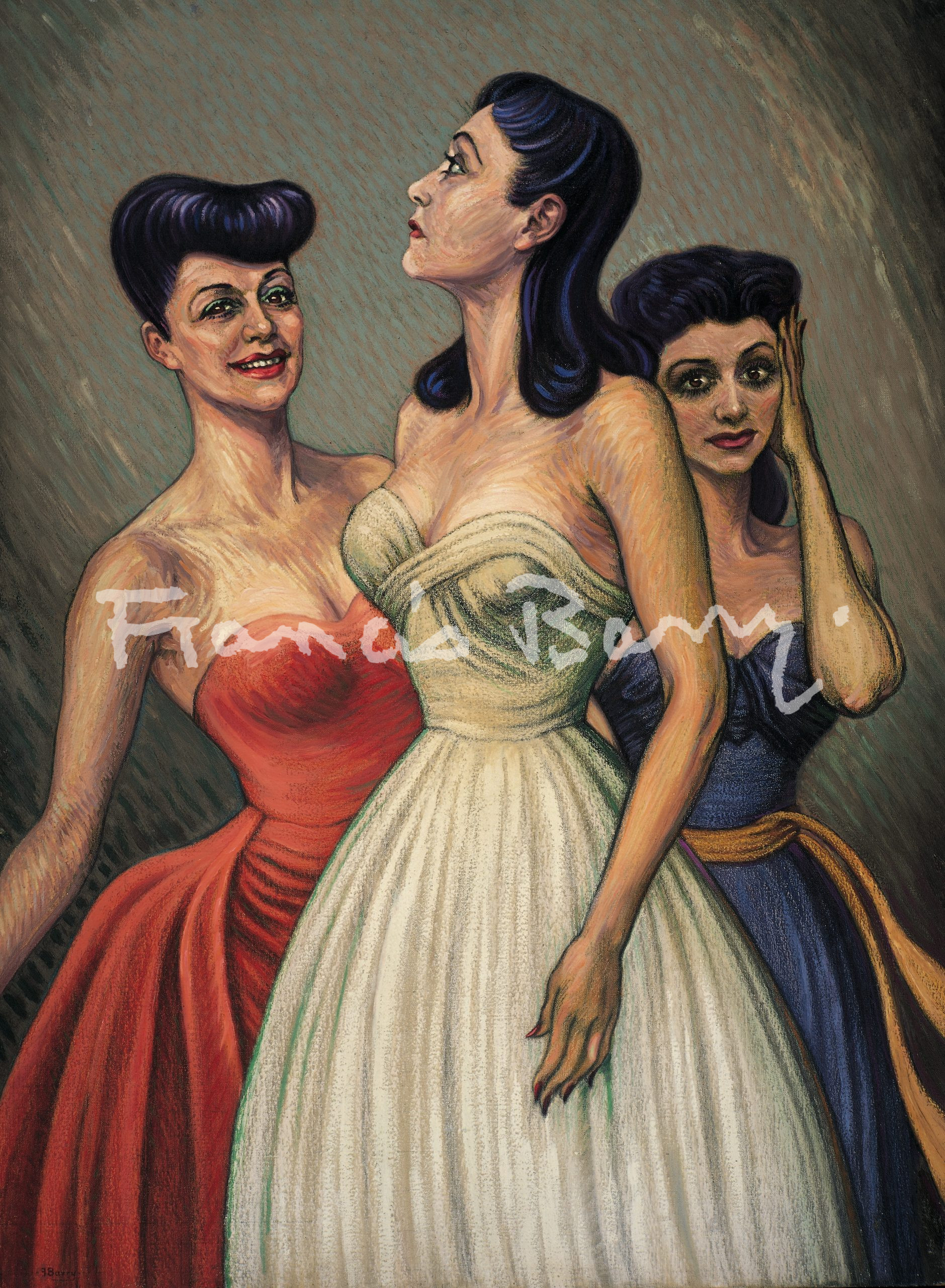
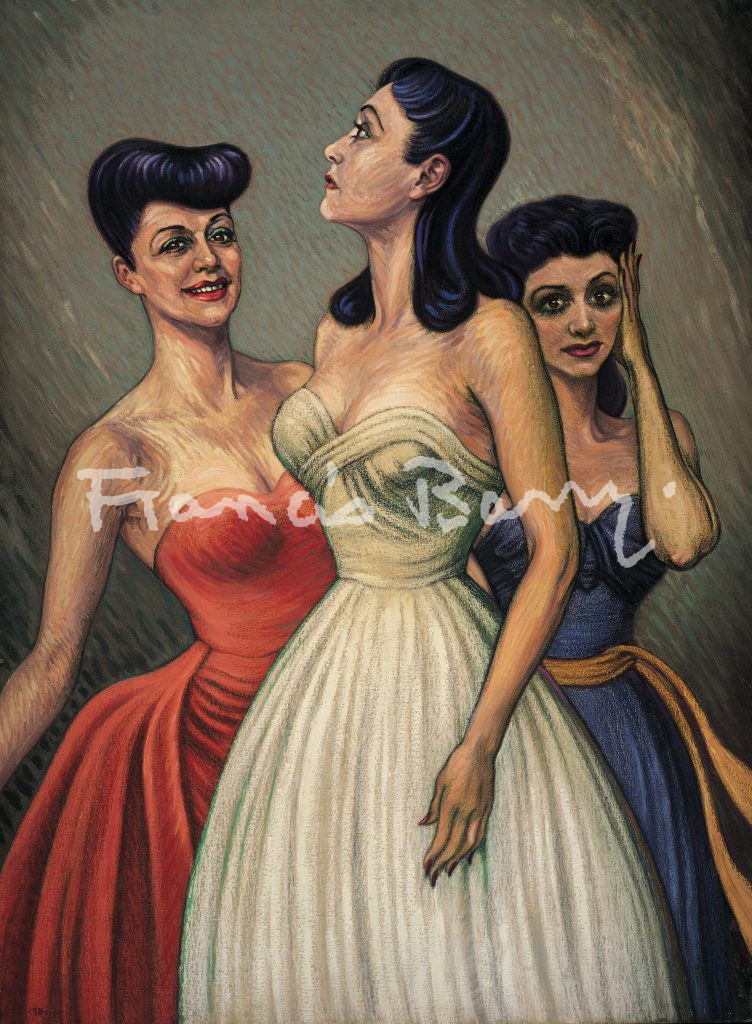
In “Doreen, Isobel and Sarah”, exhibited at the Paris Salon, 1953 and Collyer Bristow in 2005, you will notice the eyes of Doreen and Sarah are acutely luminous to the rest of the painting, despite Sarah being in the background, with Isobel’s shadow subordinating her presence, yet the detail and reflection in her eyes demands attention. Fingers, reminiscent of Sargent’s are here rendered with a singular, confident and perfectly portrayed streak of paint. While many sitters are not identified by name, Doreen Durell with over 50 portraits, was a frequent subject for Barry. She was his mistress in the 1950’s, during this period, Barry had a stint of being unable to paint due his use of turpentine as opposed to white spirit, causing a problem with the skin on his hands, as a result, Barry completed a beautiful series of pencil drawing of Doreen.
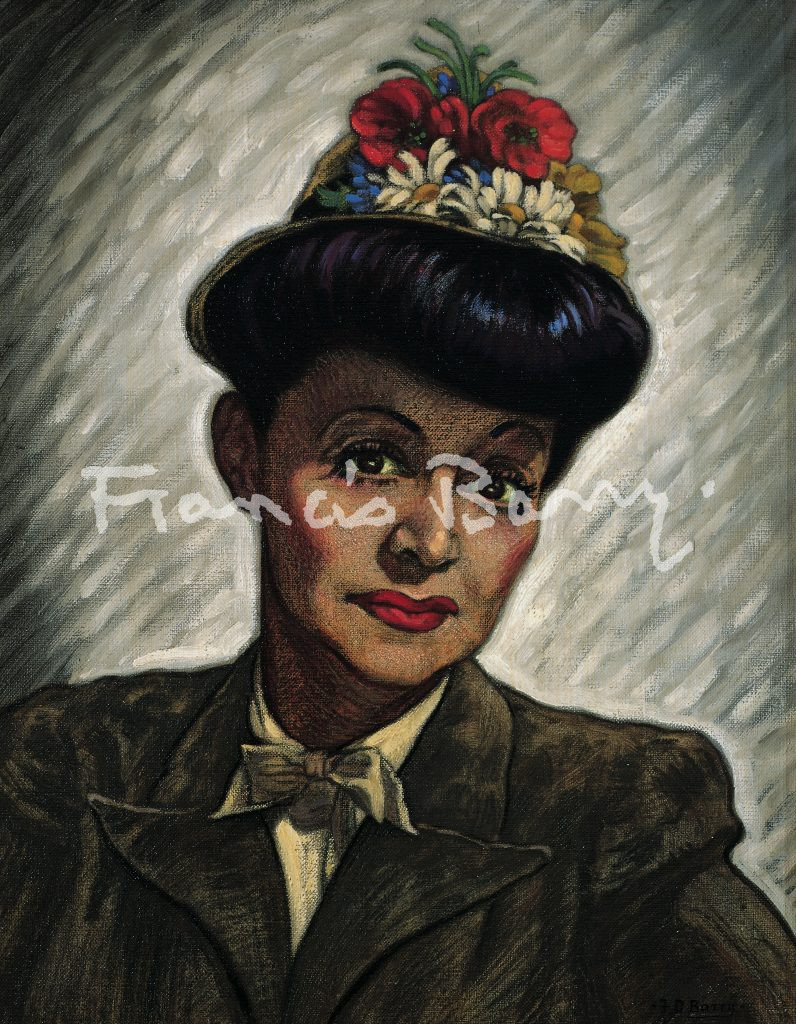
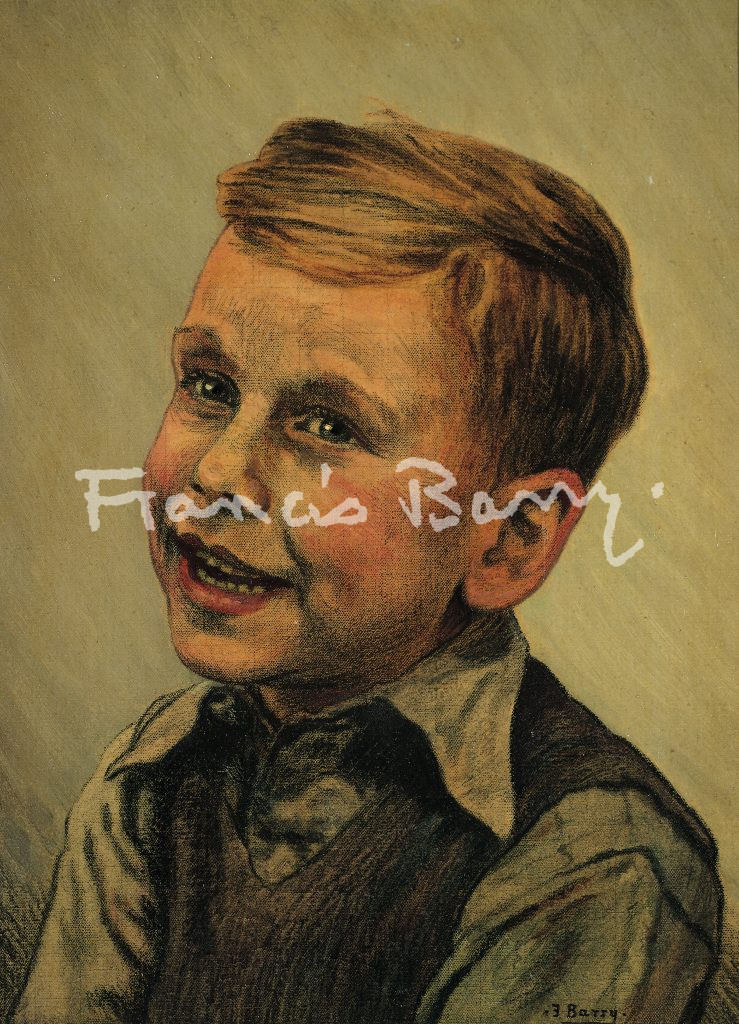
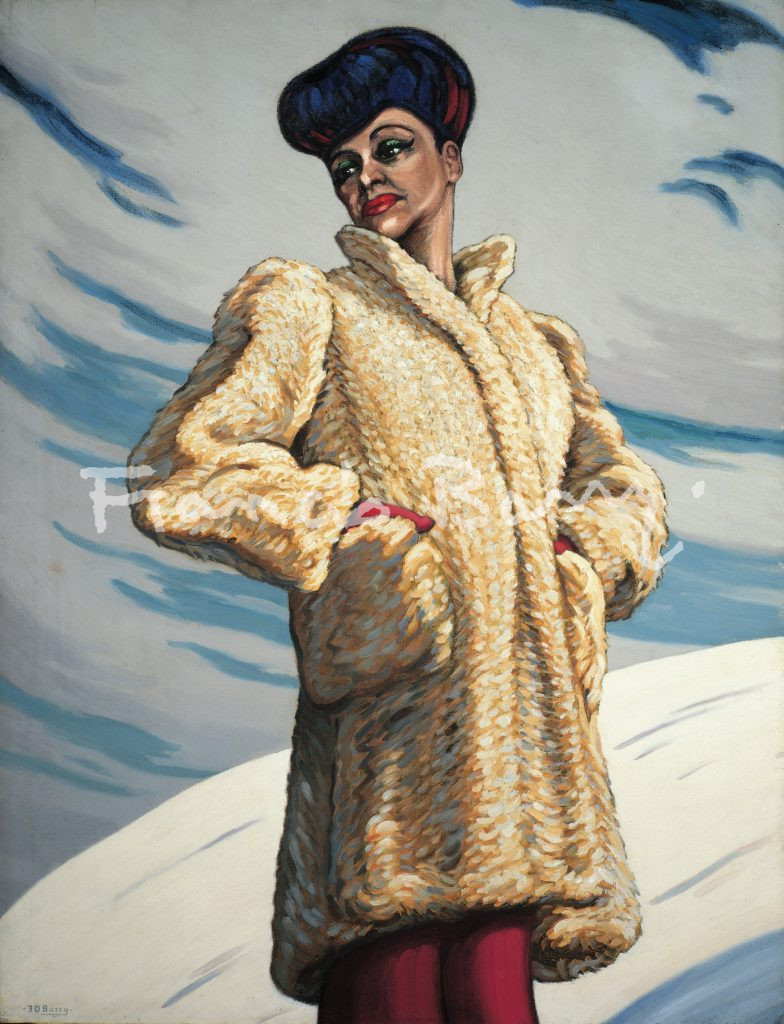
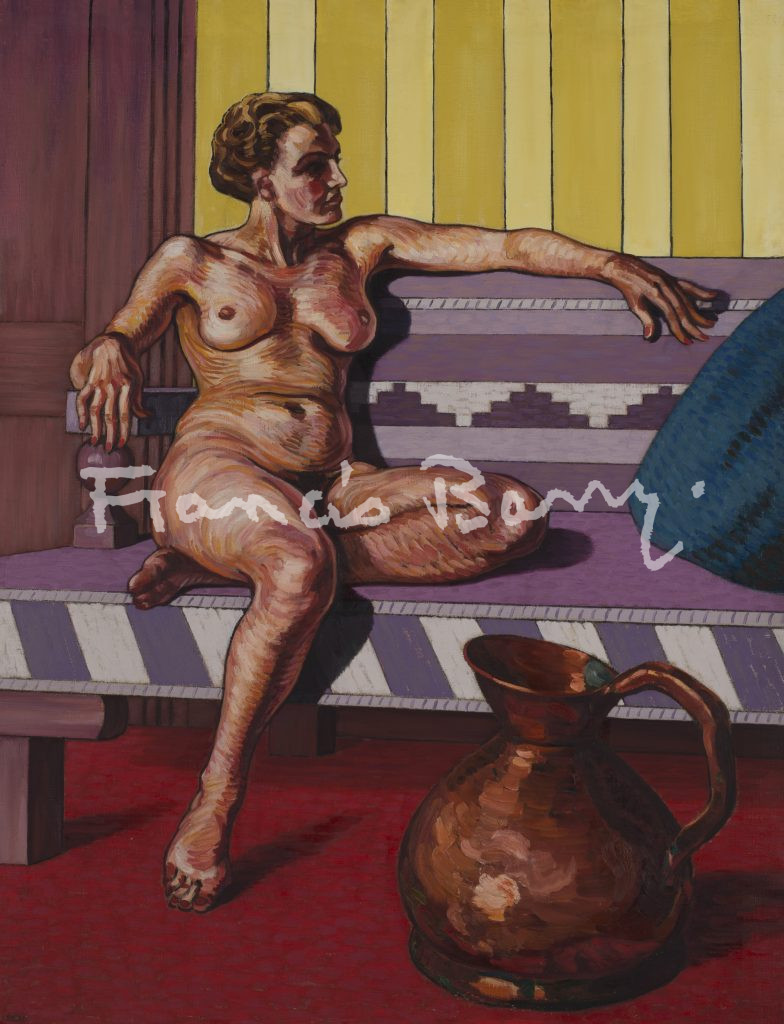
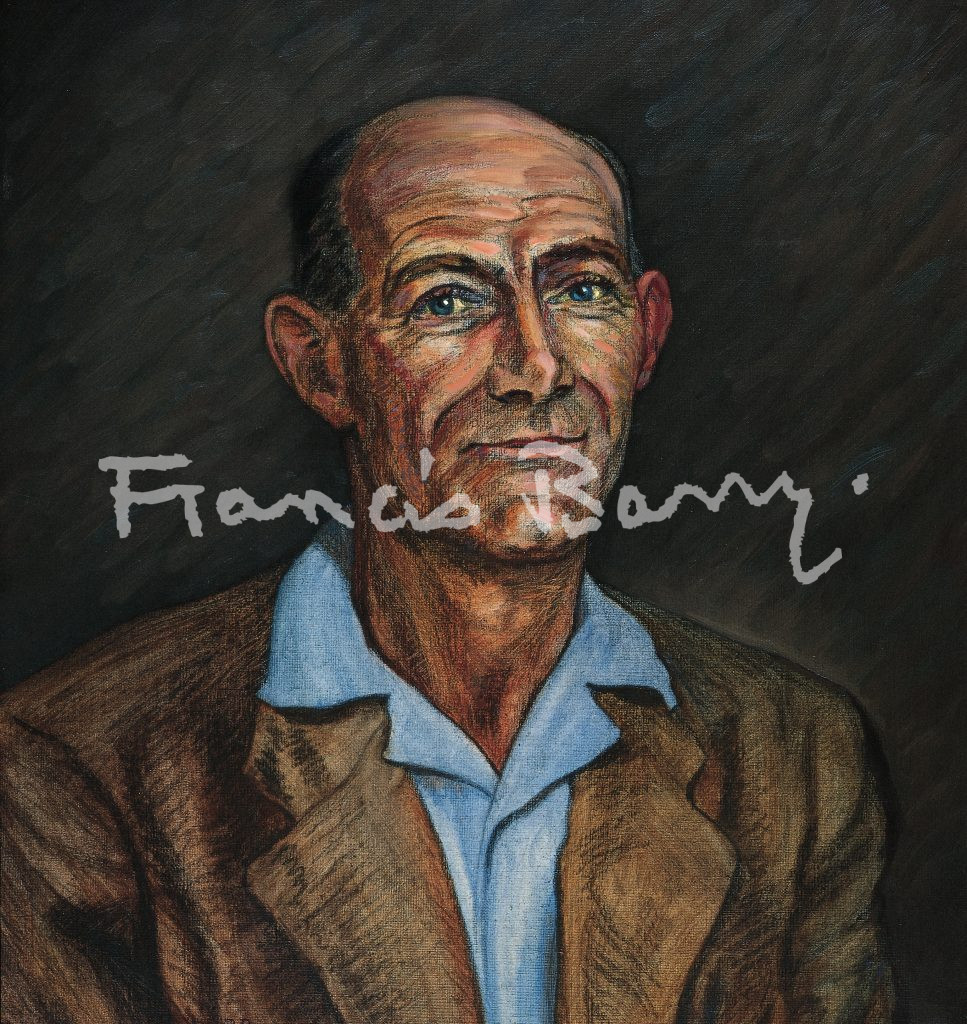
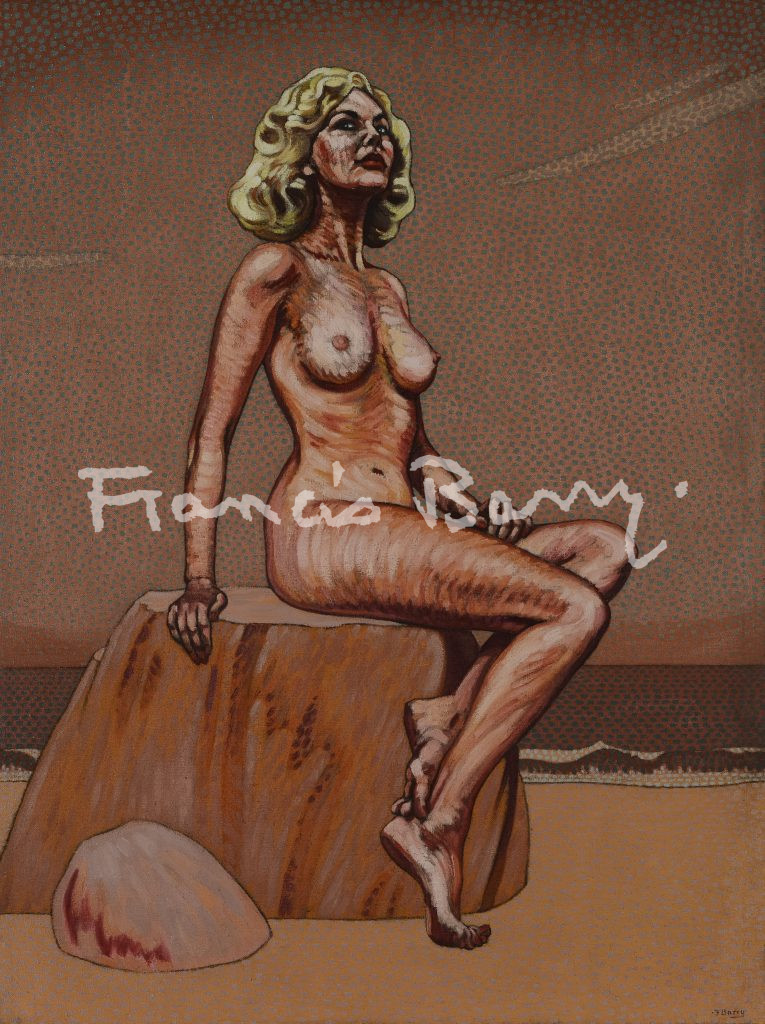
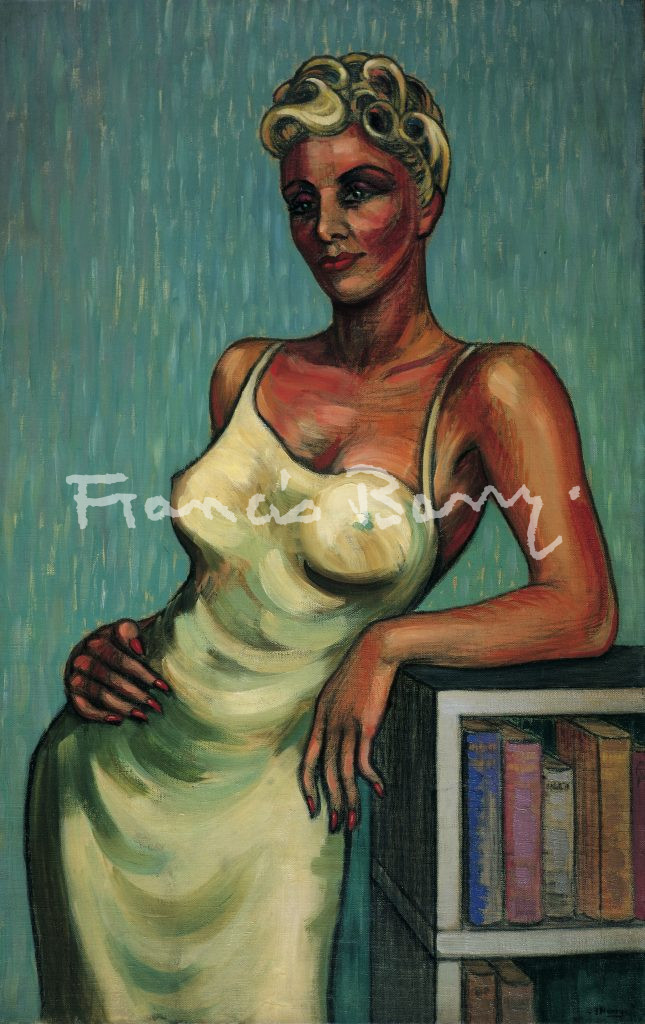
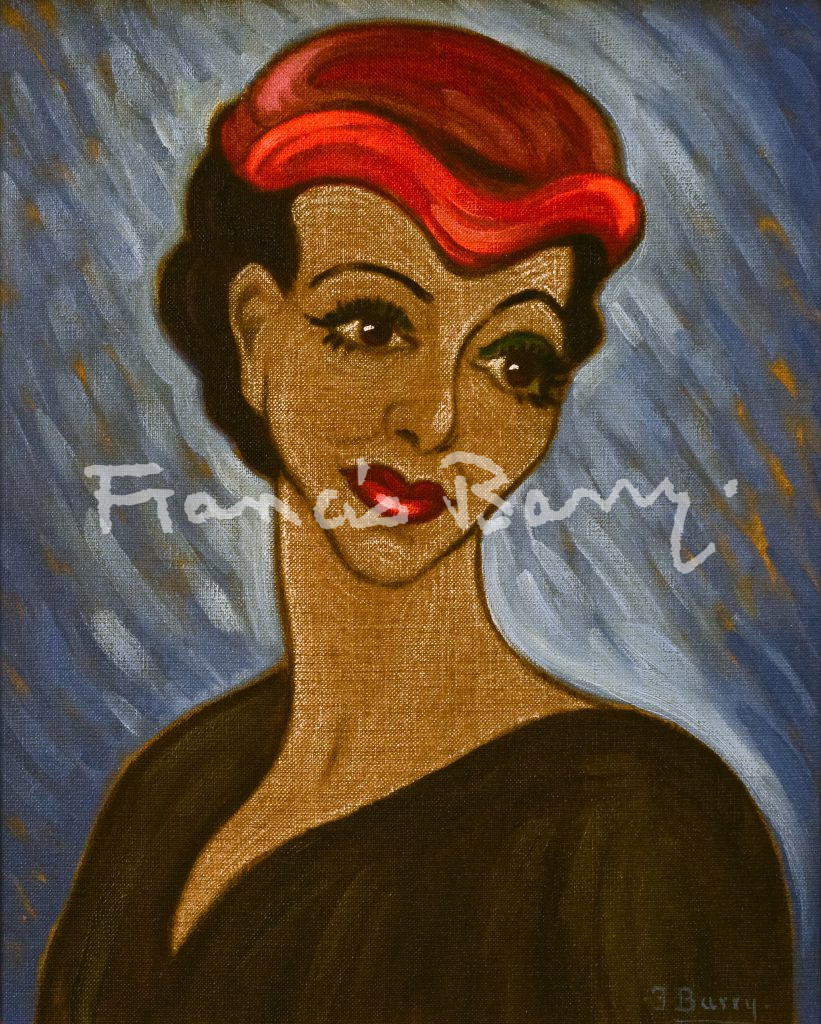
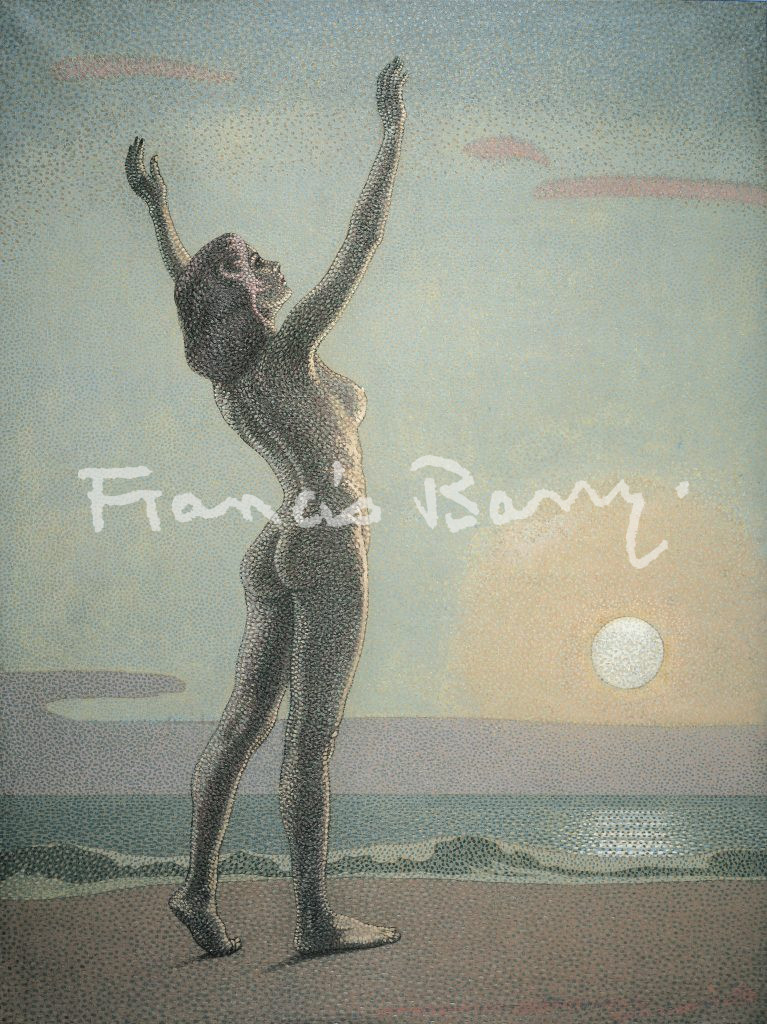
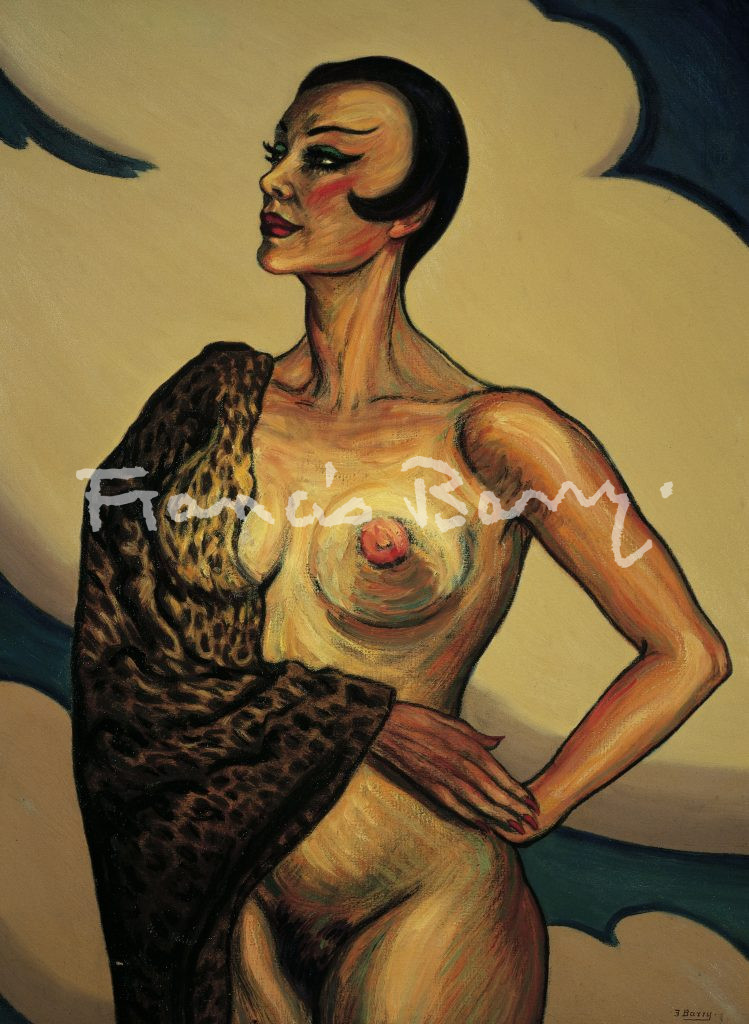
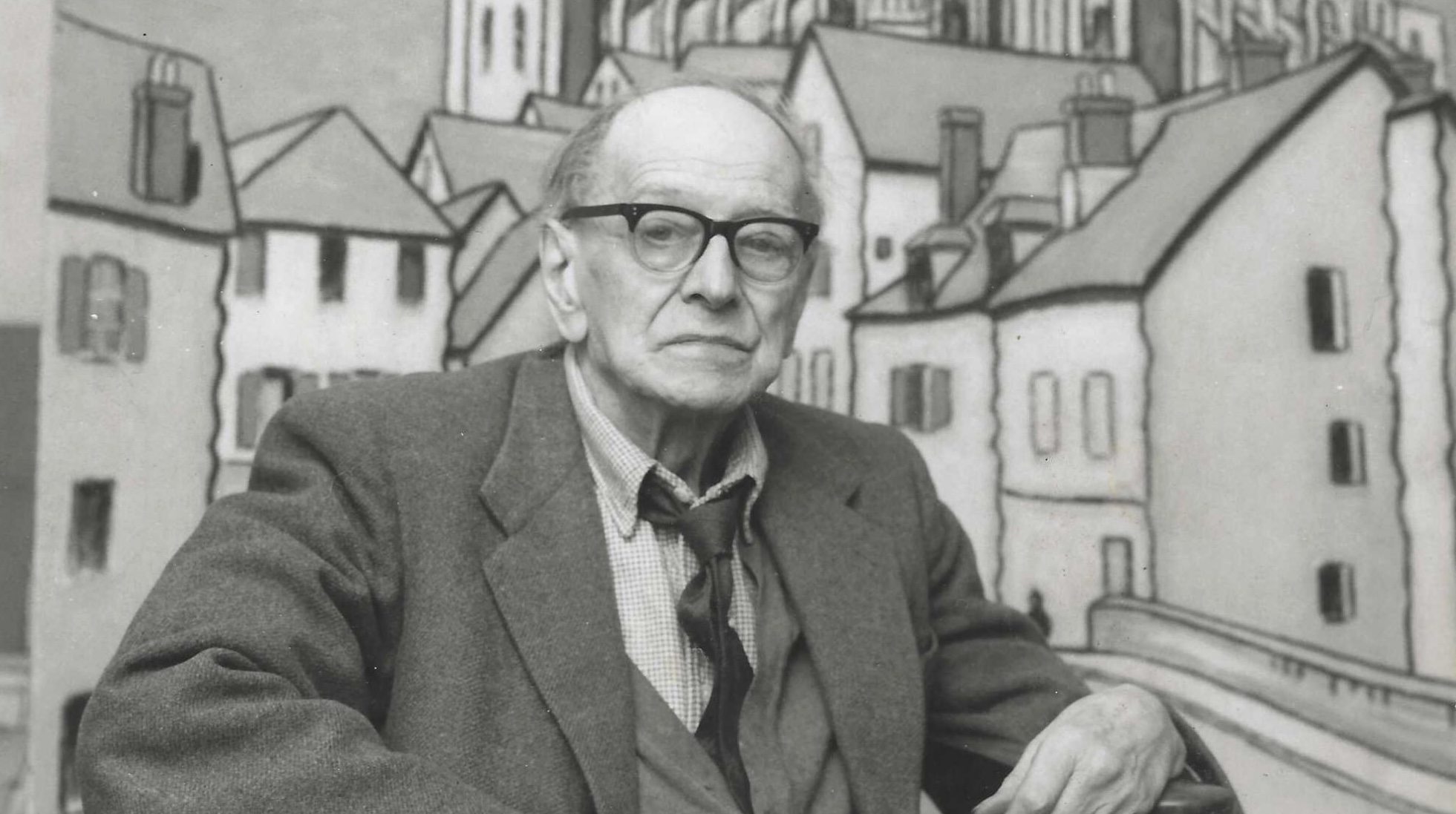
Ultimately, Barry’s portraits serve as a profound rejection of the cruel world he perceived, offering instead a sanctuary of vitality and truth. By treating the nude not as an object of indecency, but as a pinnacle of natural beauty, he transformed his struggles with anatomy that transcended mere likeness. Whether through the singing colours of his oils or the intimate lines of his pencil drawings, his work remains a testament to the unity and life he sought. In the end, Barry achieved exactly what he set out to do: he created a body of work that does not just represent the human figure, but allows it to live forever in a state of calm and serene grace.
If you would like to receive more information about Sir Claude Francis
Barry, Bt., R.B.A, why not get in touch?