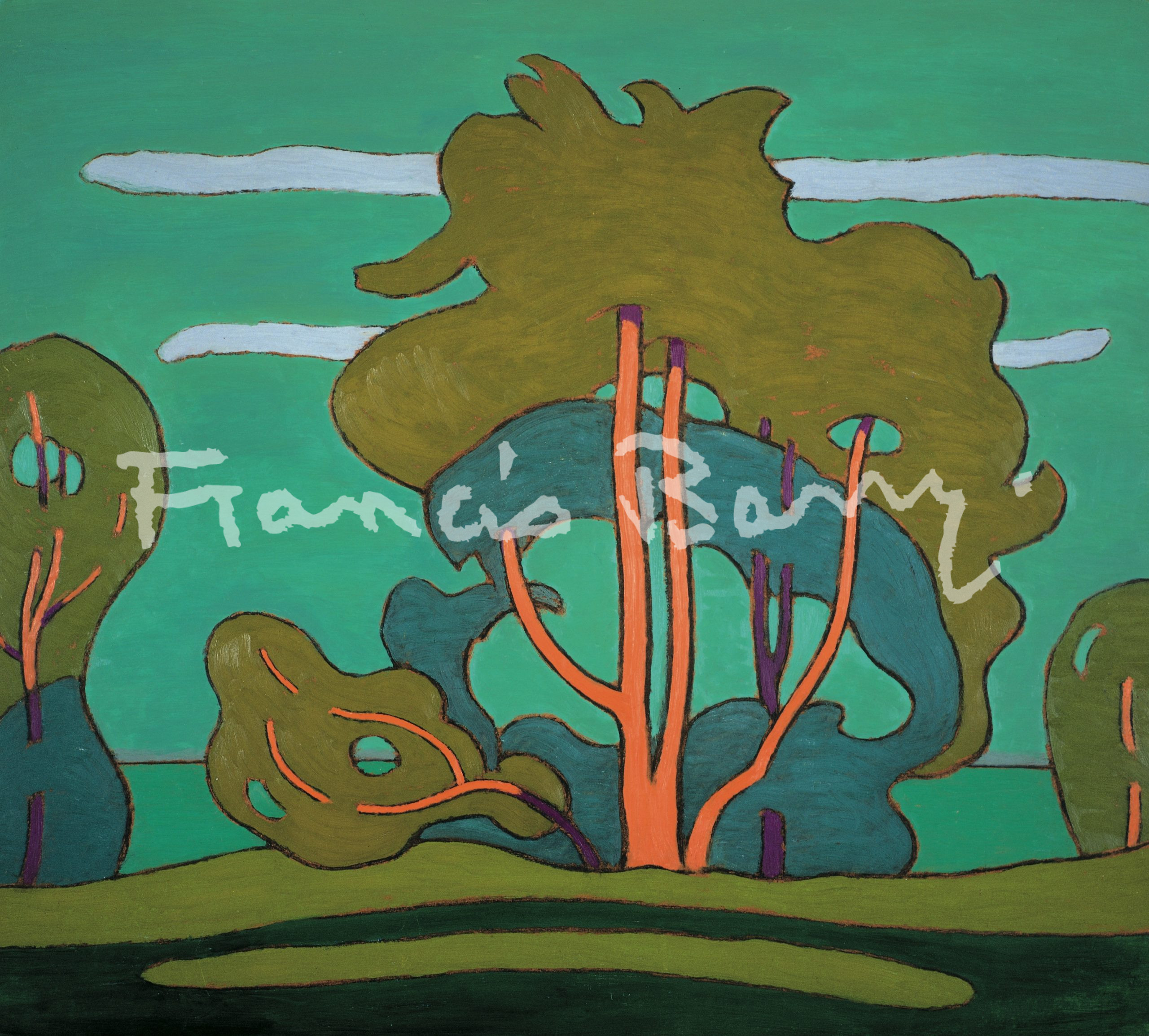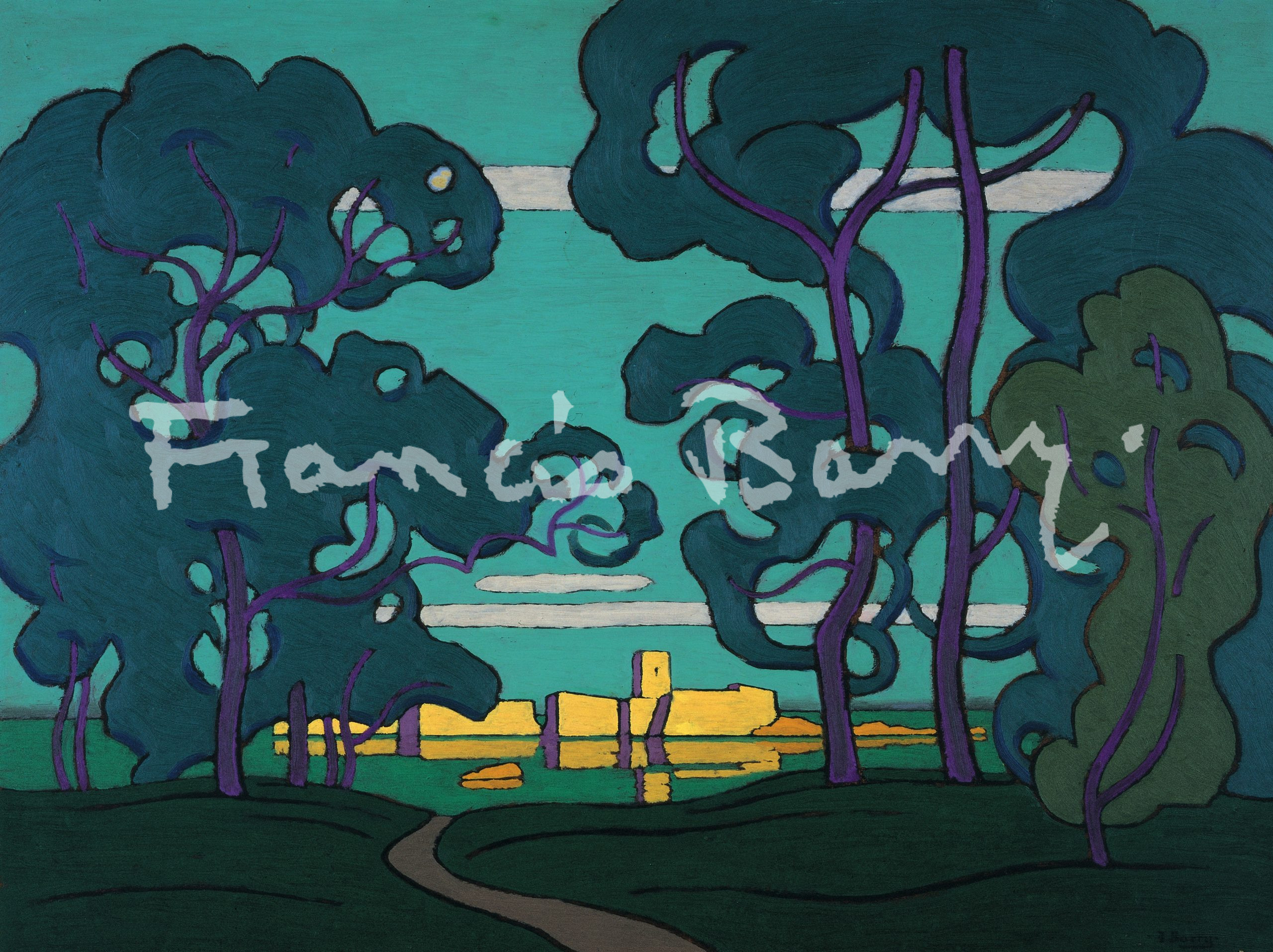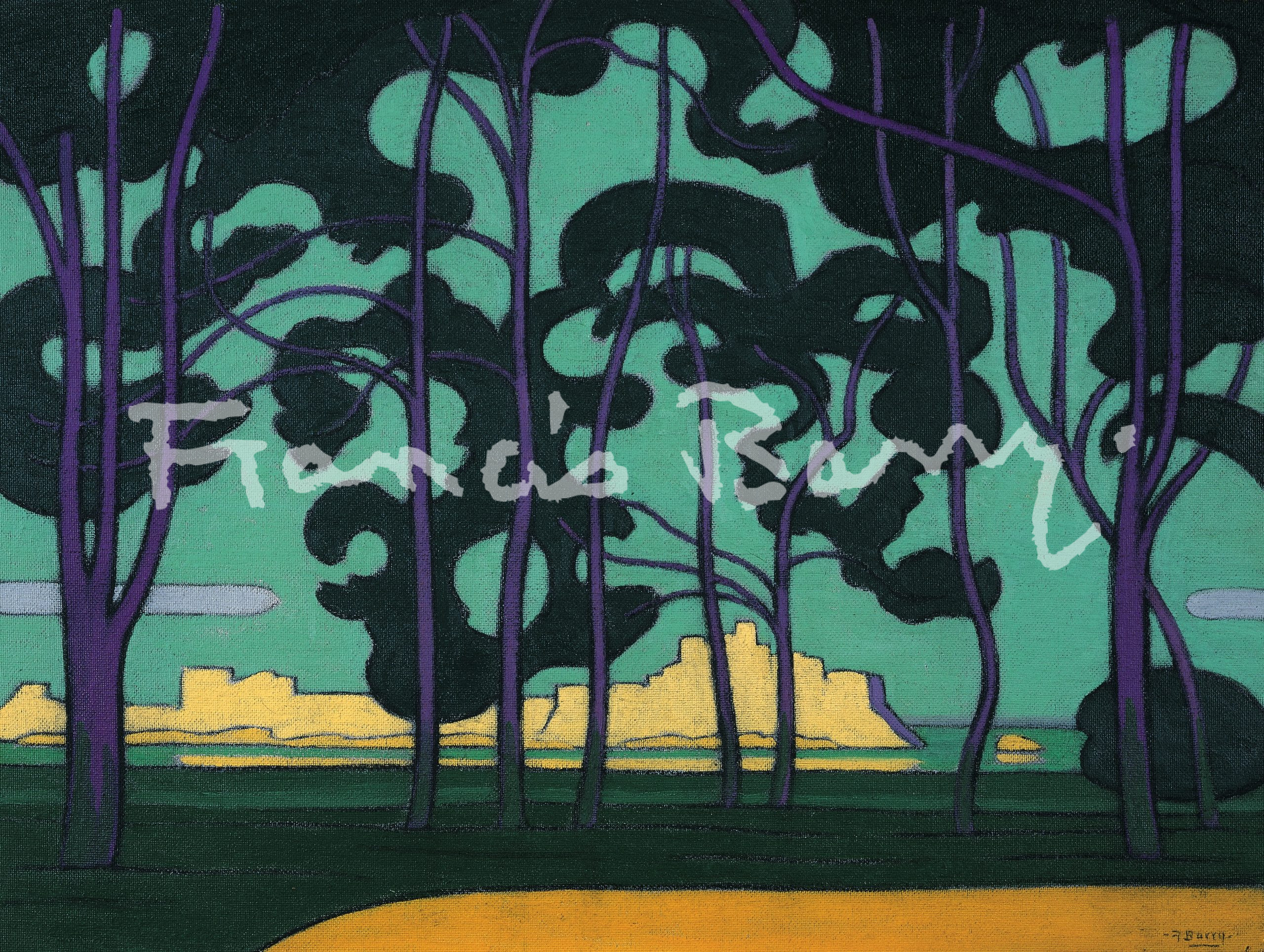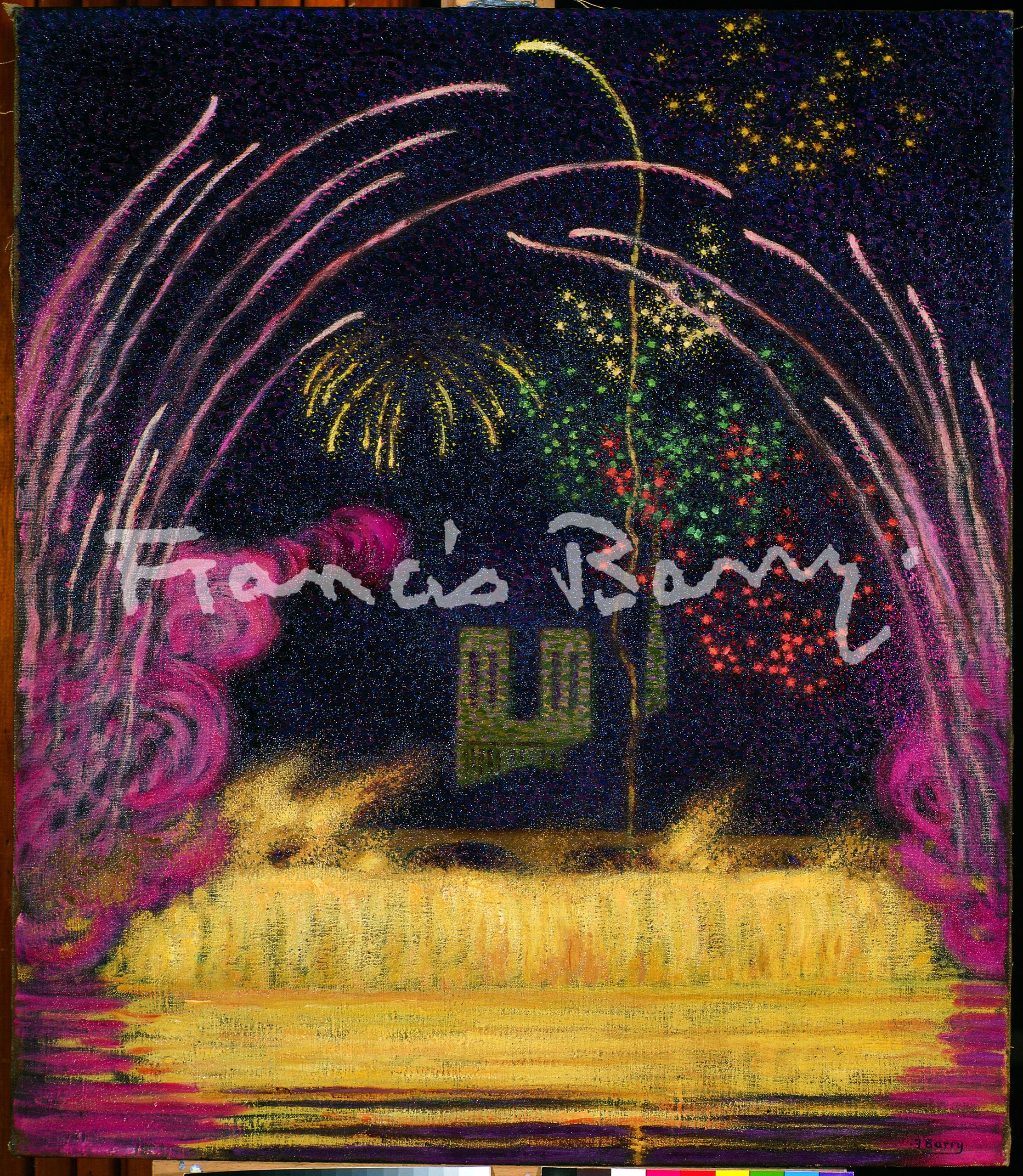

Barry’s transition to Pointillism represented a refreshing evolution in his career, moving from a narrative of melancholic landscapes toward vibrant, structural canvases. He was inspired by Neo-Impressionist pioneers such as the innovator Georges Seurat and the visionary Paul Signac. Pointillism utilises a dot-based application that mimics additive mixing by scientifically coupling or dividing colours; when viewed from a distance, these dots blend together into an optical phenomenon. This creates a vibration and luminosity that makes the canvas “sing”, a quality Barry found most exciting as he proudly stated in his unpublished manuscript, Painting: “Colour is to painting what love is in a man’s life; for with love all is well and the world is a fine place, but without it life’s just hell!”
“where the sun shines through the tree, it is rich orange and green and the tree in shades of blue”
– Barry from ‘Painting’
“When colour sings it is the most exciting”
– Barry from ‘Painting’
“Be careful not to have all your colours of the same intensity or they will not look bright; one colour must be brighter then the rest”
– Barry from ‘Painting’
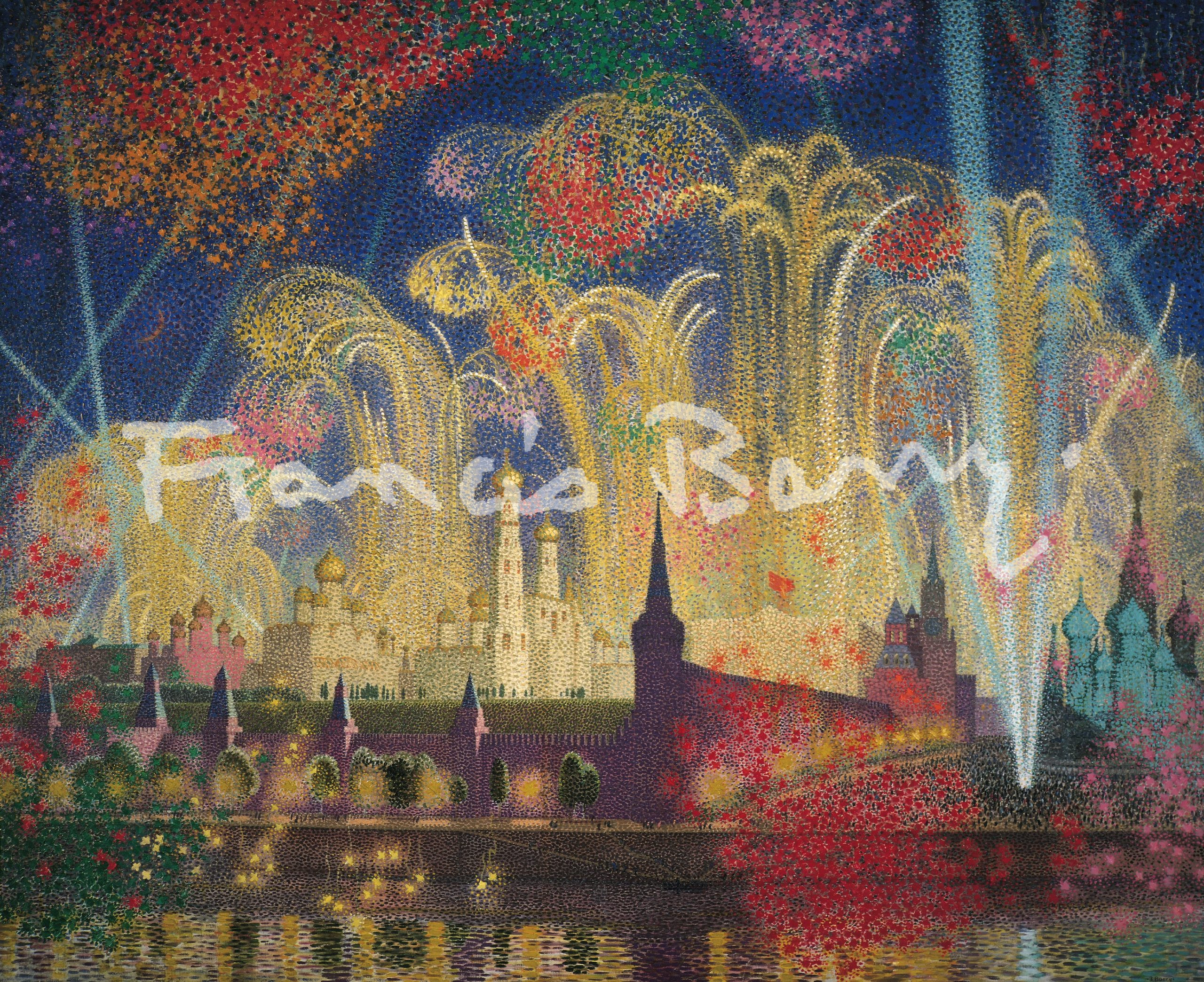
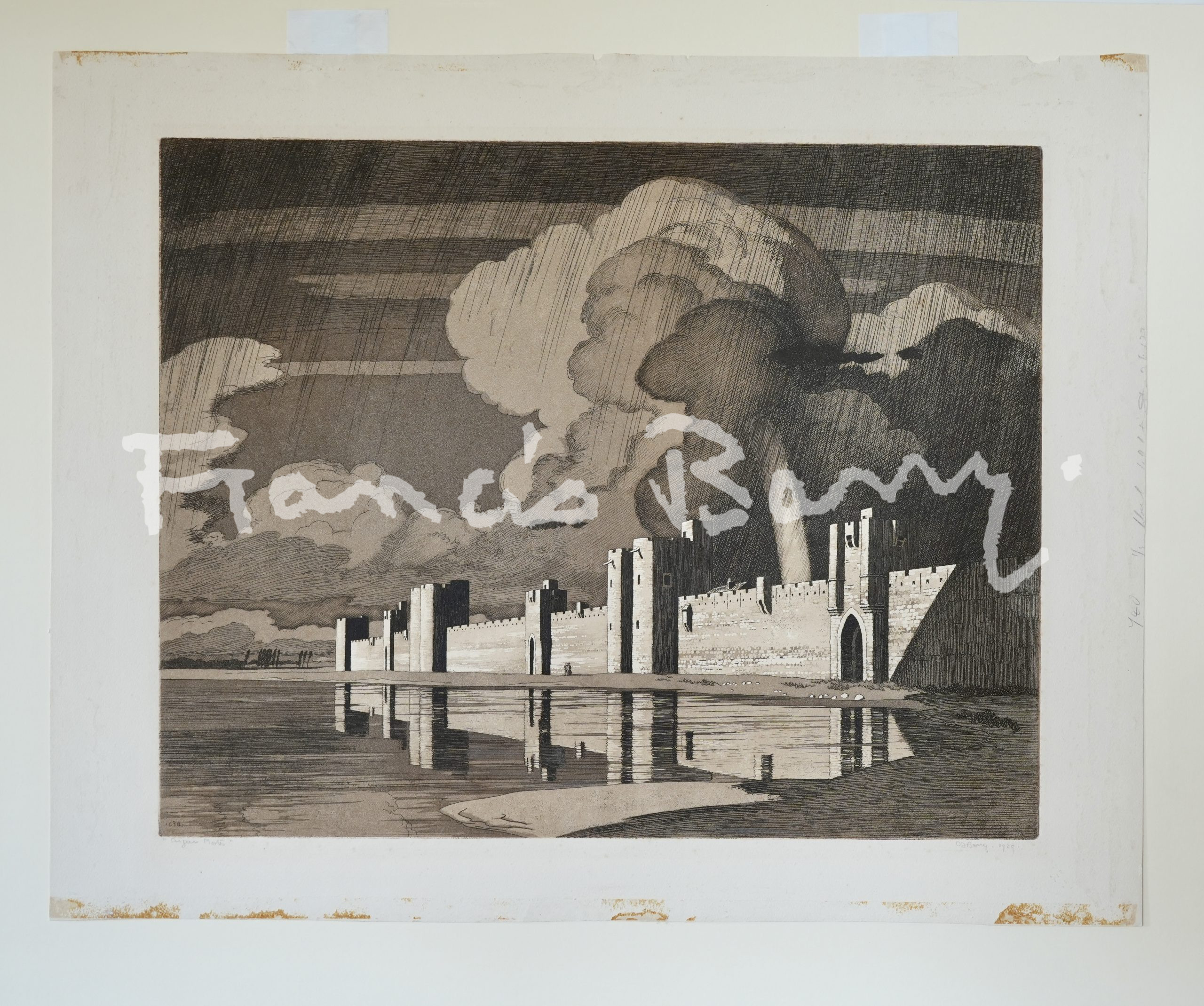
The foundation of these works began first with “seeing”. Barry believed that the most necessary step for any aspiring artist is to learn to see, for unless one has learned to see, “he cannot hope to paint anything at all”. Furthermore, he adhered to a rigorous technical process, using a grid system of half-inch squares and a 6H pencil to preserve mathematical proportions. He often turned the canvas upside down to objectively judge if the underlying geometry and tonal weights remained balanced before the charcoal was fixed for painting. This disciplined mastery centred on a strict tonal reduction, limiting his palette to seven tones, typically four of light and three of shadow, believing that “if the tones were right, the colour did not matter at all.” Barry’s ultimate goal was for his architecturally dreamlike canvases to express character as opposed to mere artificial likeness.
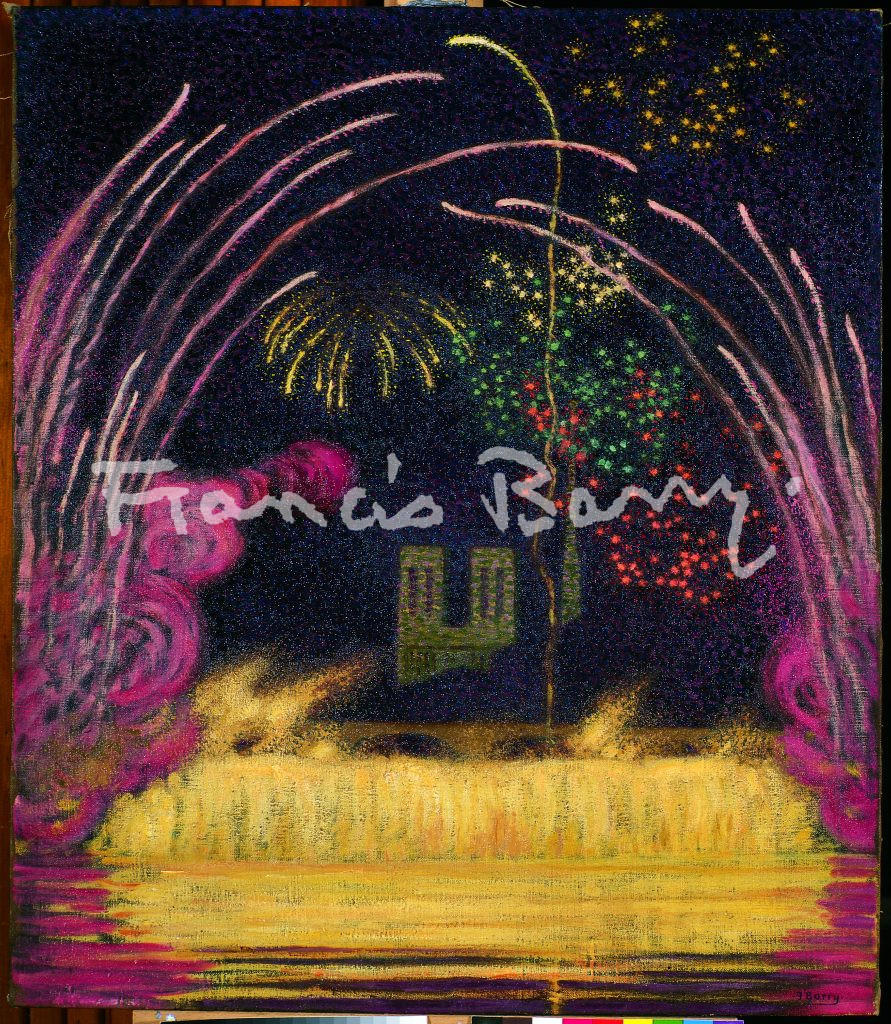
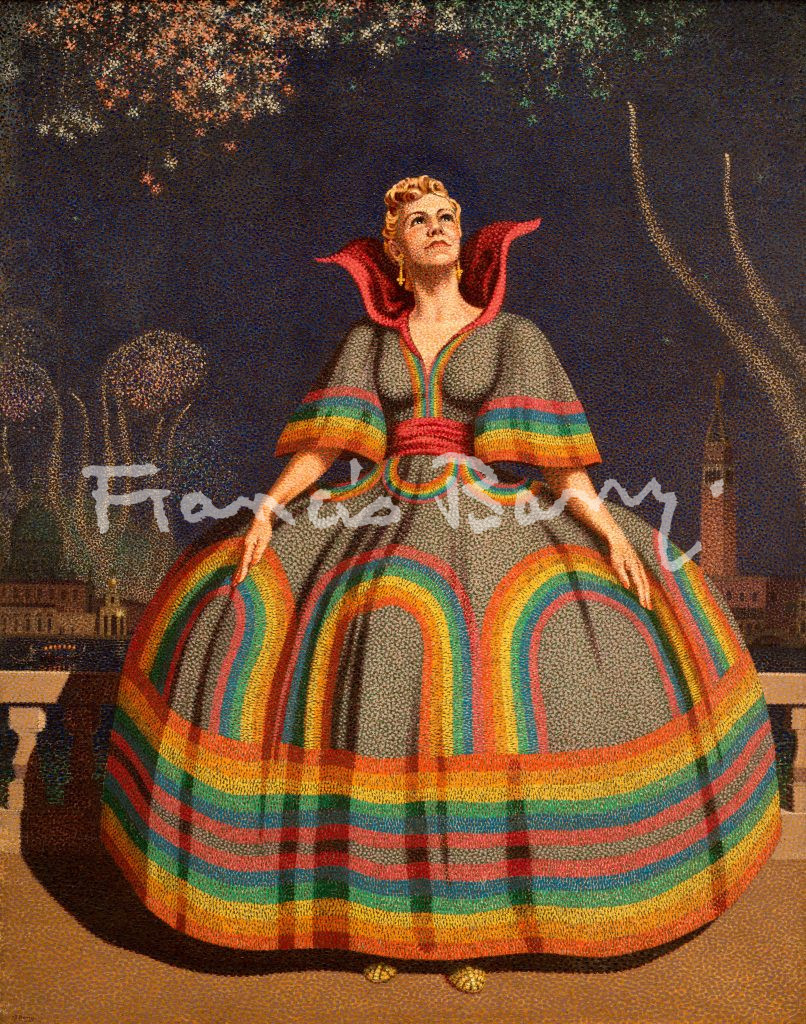
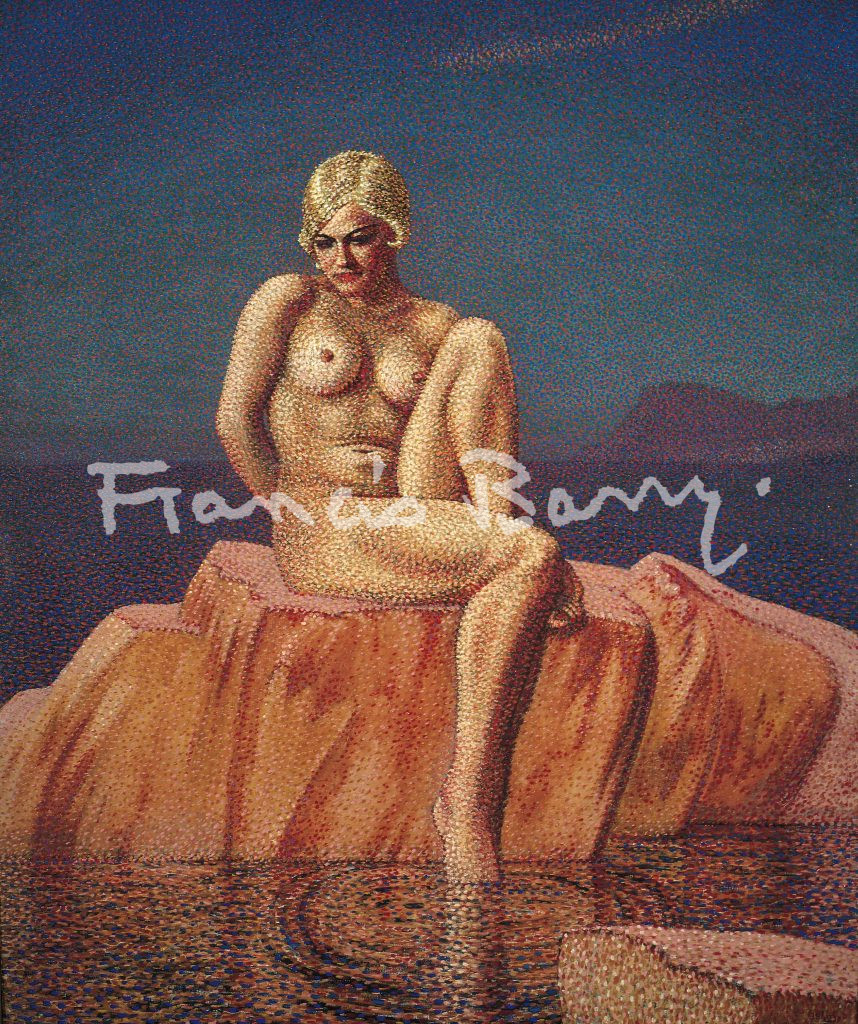
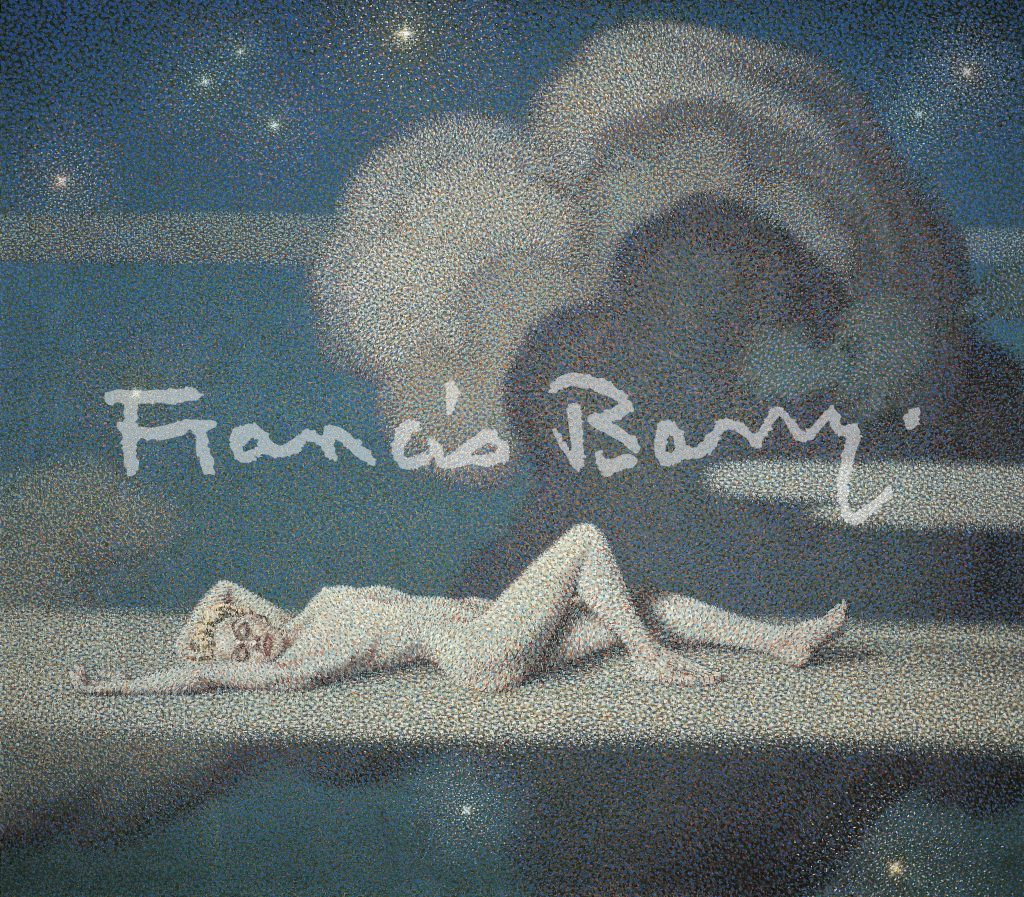
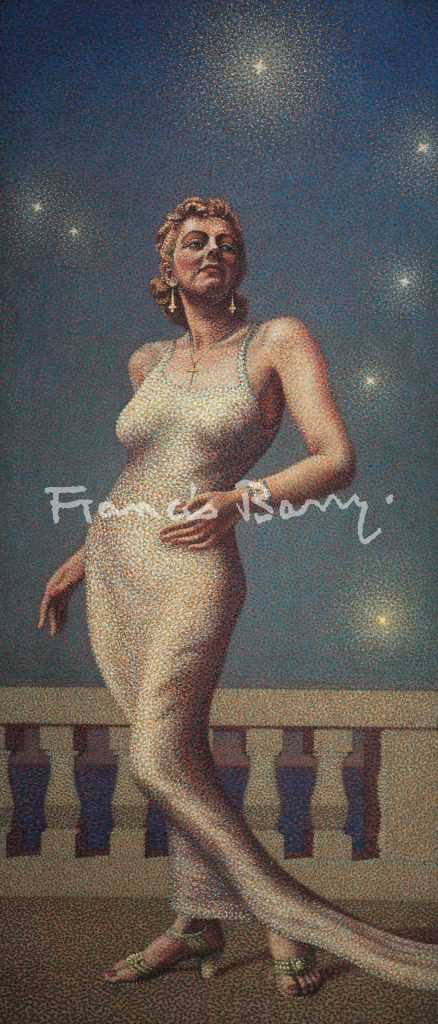

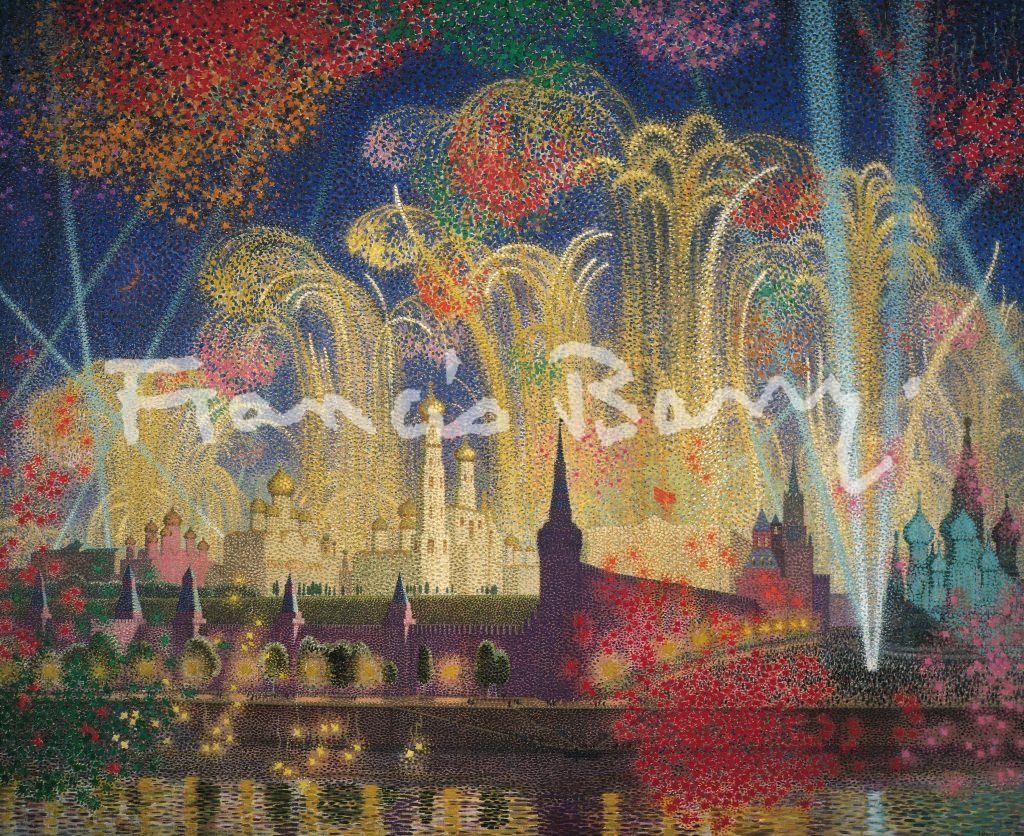
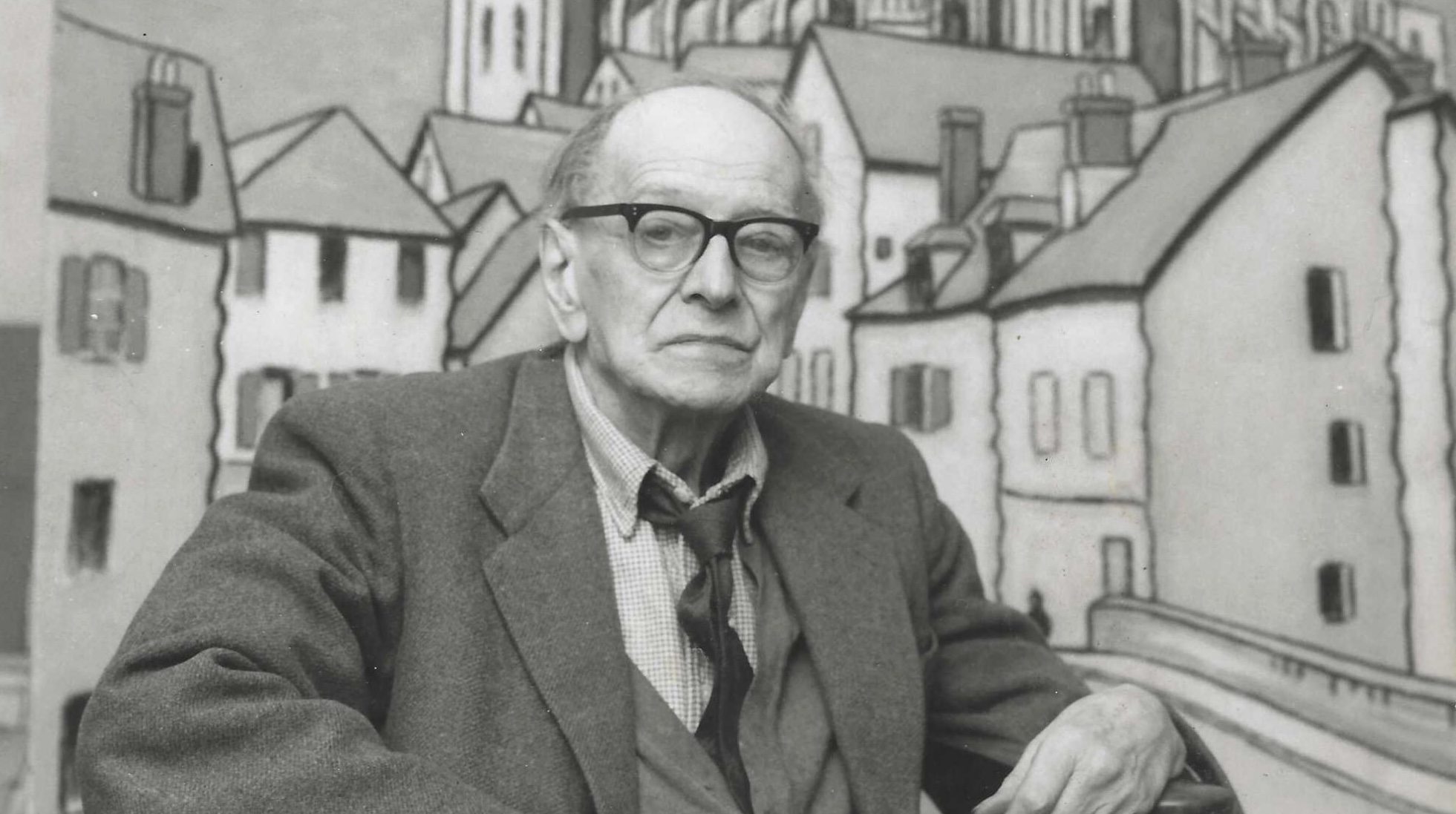
Barry achieved an elemental simplicity in his works, believing that a “real finish” meant ruthlessly removing details rather than adding them; he felt that anything distracting from the main focus “was harmful and must be painted out”. The poetic documentation in his Pointillistic works remains a pioneering and powerful commitment to both technique and sentimentality.
If you would like to receive more information about Sir Claude Francis
Barry, Bt., R.B.A, why not get in touch?