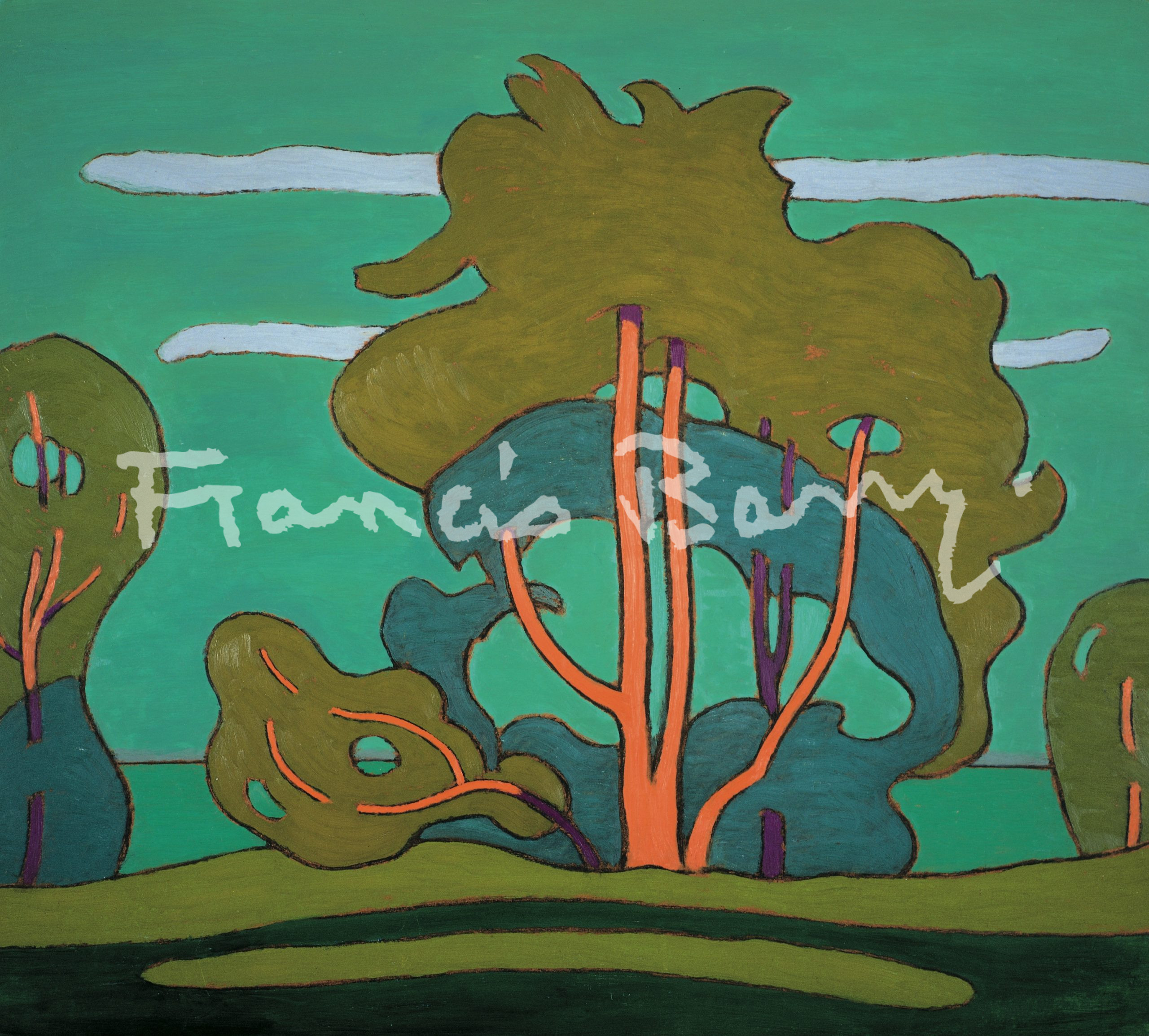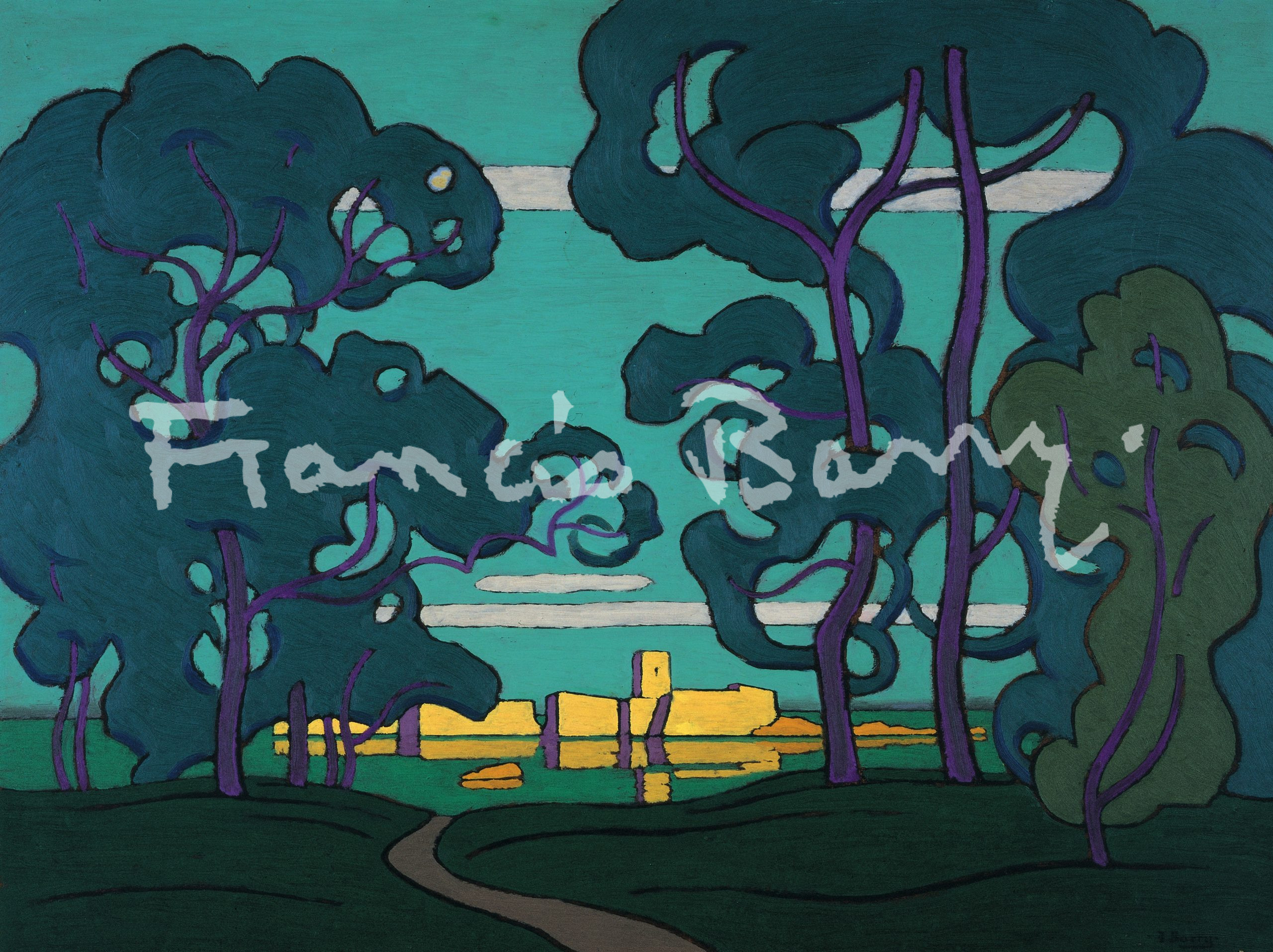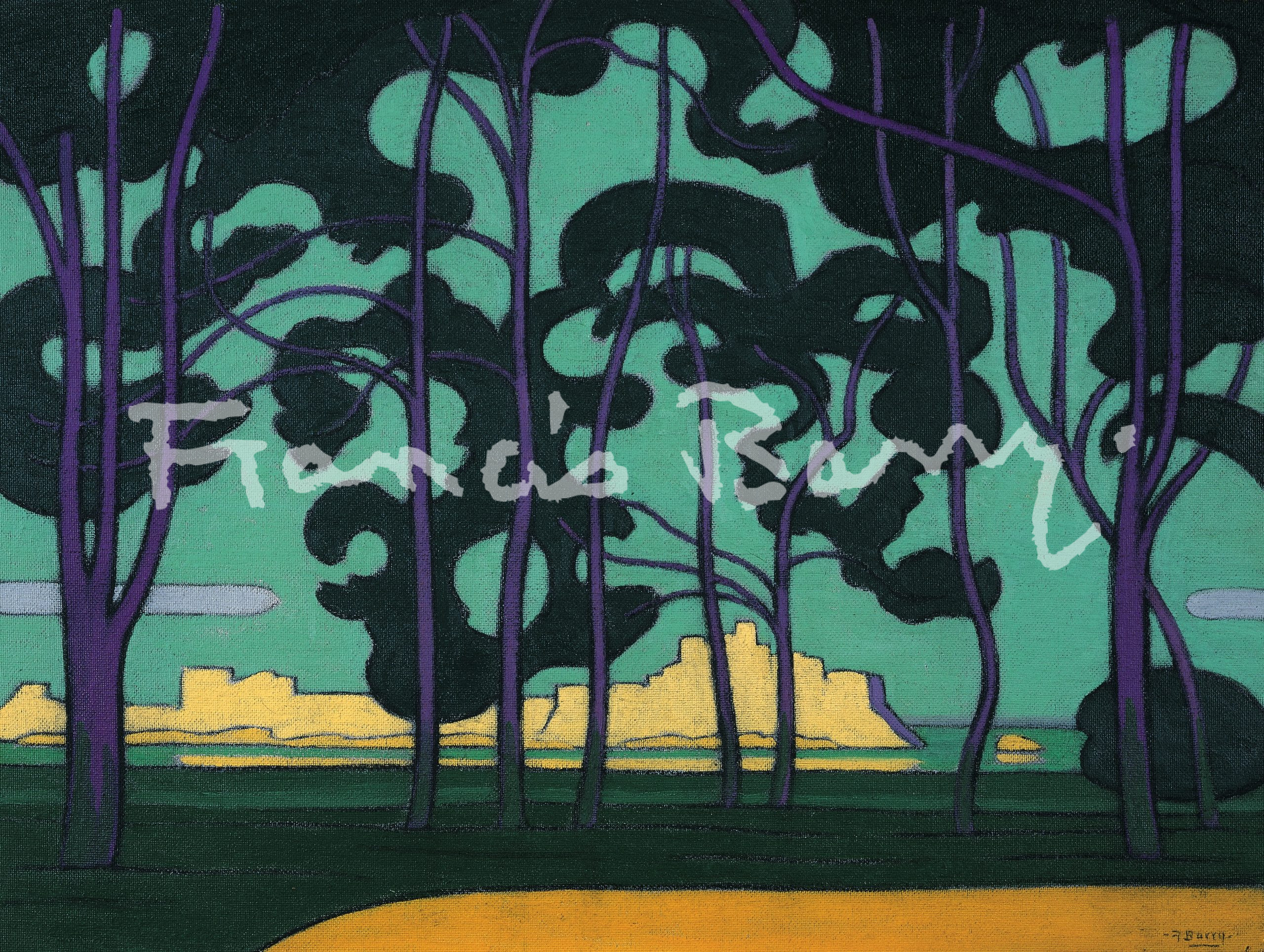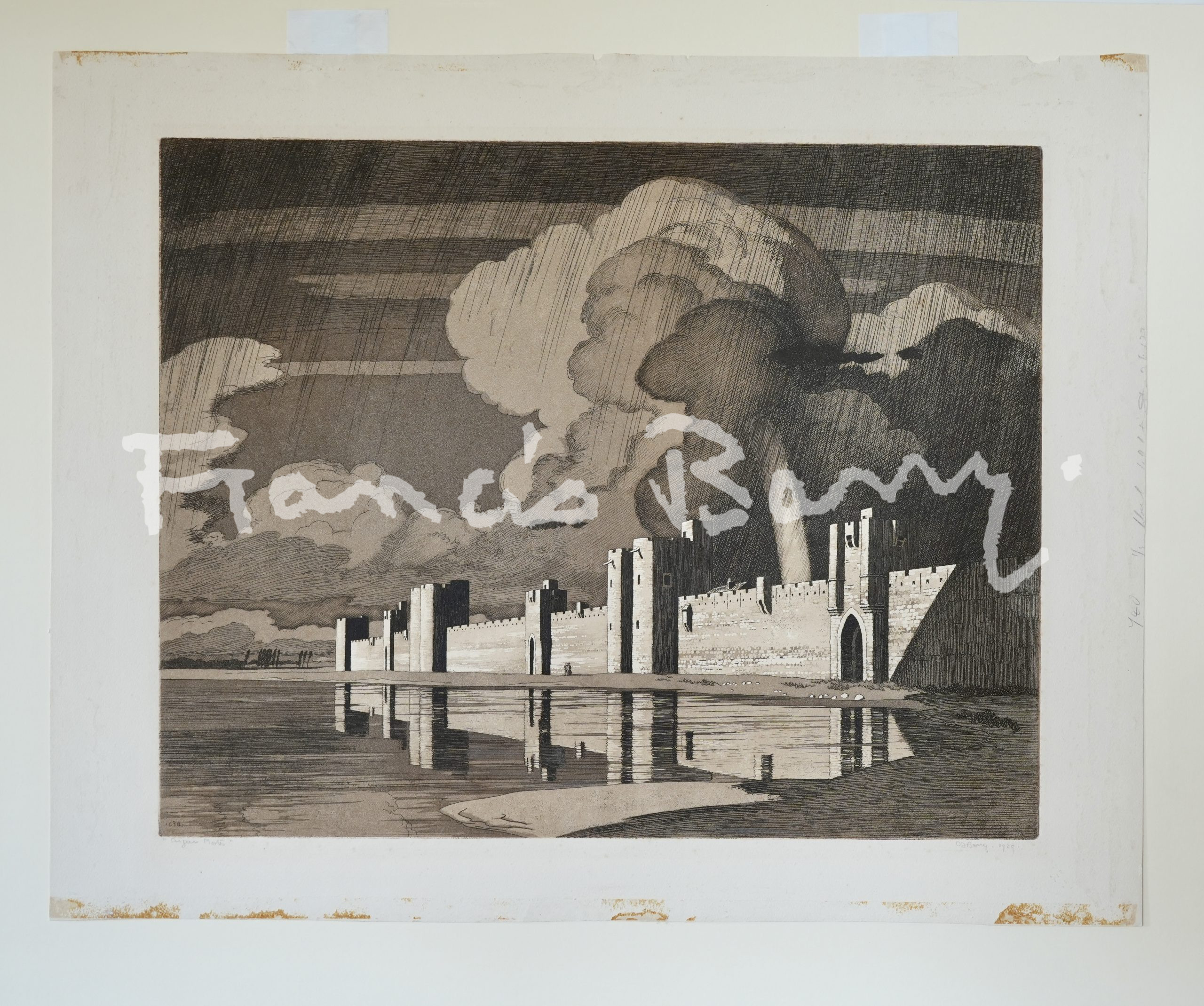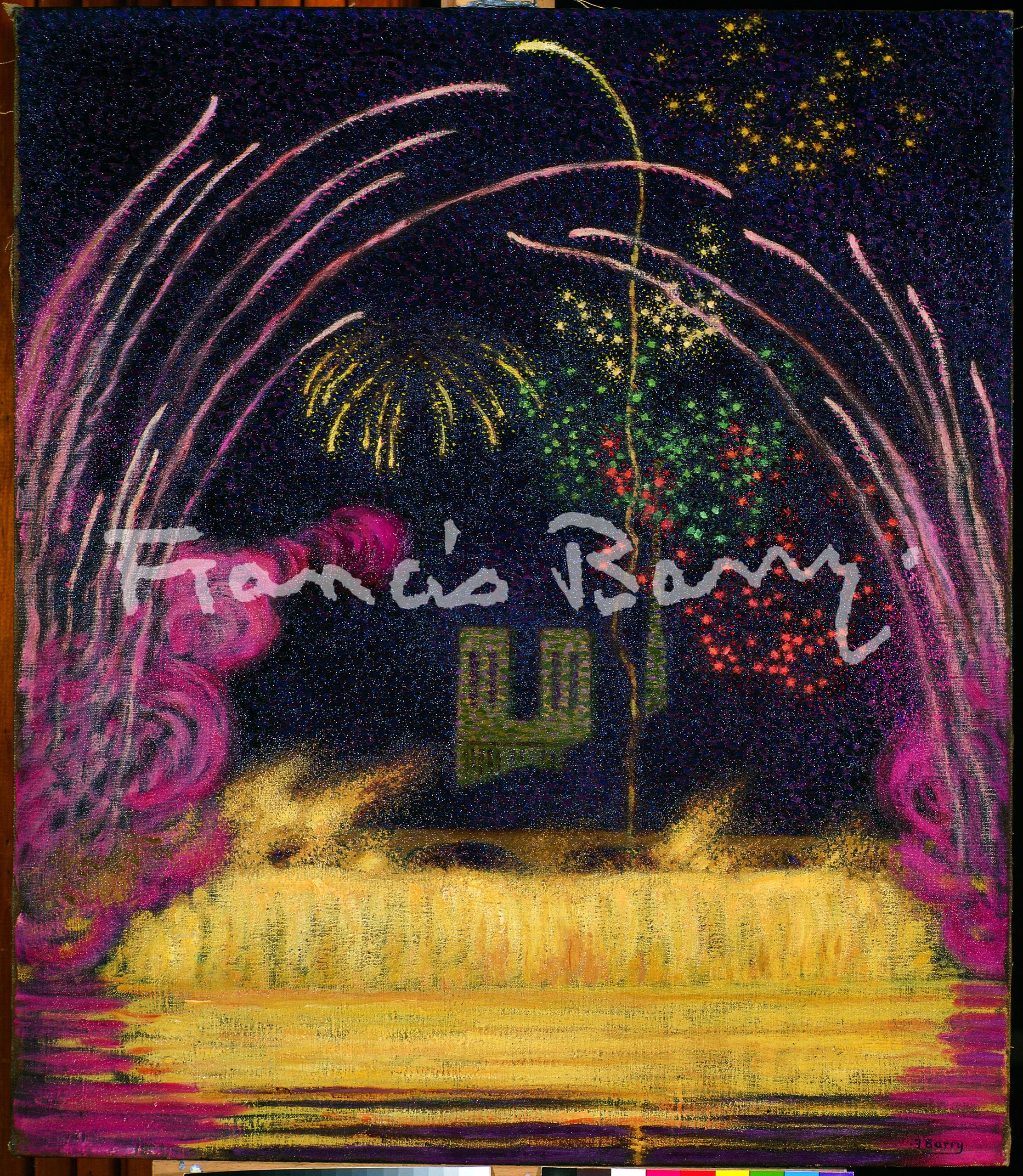

Sir Claude Francis Barry’s etchings, represent a masterclass in structure and tone. Adopting a tone system of four of light and three shadow. Barry moved away from his early narrative style to embrace the precise, atmospheric potential of print making. This medium allowed him to translate the the mystery of the night into a rhythmic geometry that balanced architectural accuracy with a deep, poetic mood.
“Four tones of light, three tones of shadow”
– Barry from ‘Painting’
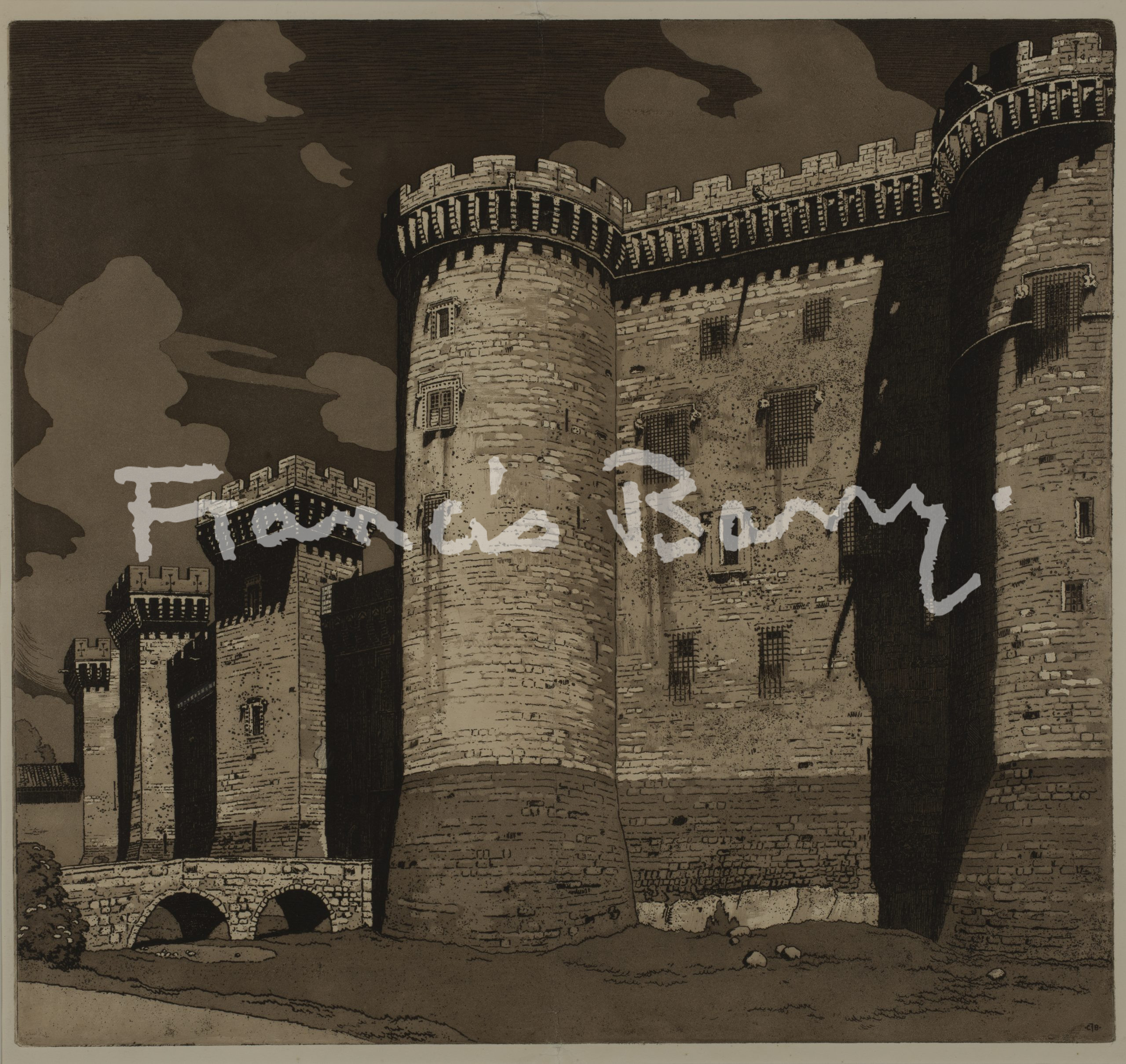
Barry’s etchings became notable during this period, earning him gold and silver and bronze medals throughout the years in both France and Italy. His etchings established him as an artist who could command the subtle nuances of light in fine detail. His plates captured the light of Italian hill towns and the facades of the Riviera, attracting high-profile collectors, such as Queen Mary, Neville Chamberlain, and Mussolini.
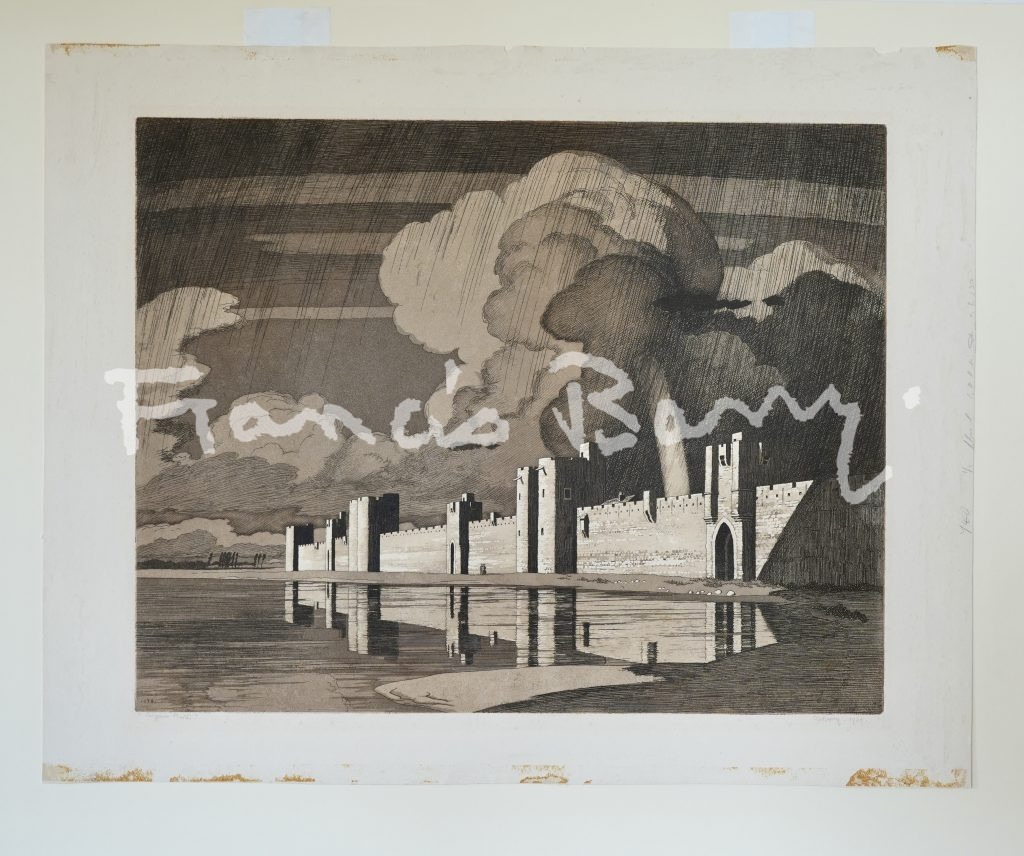
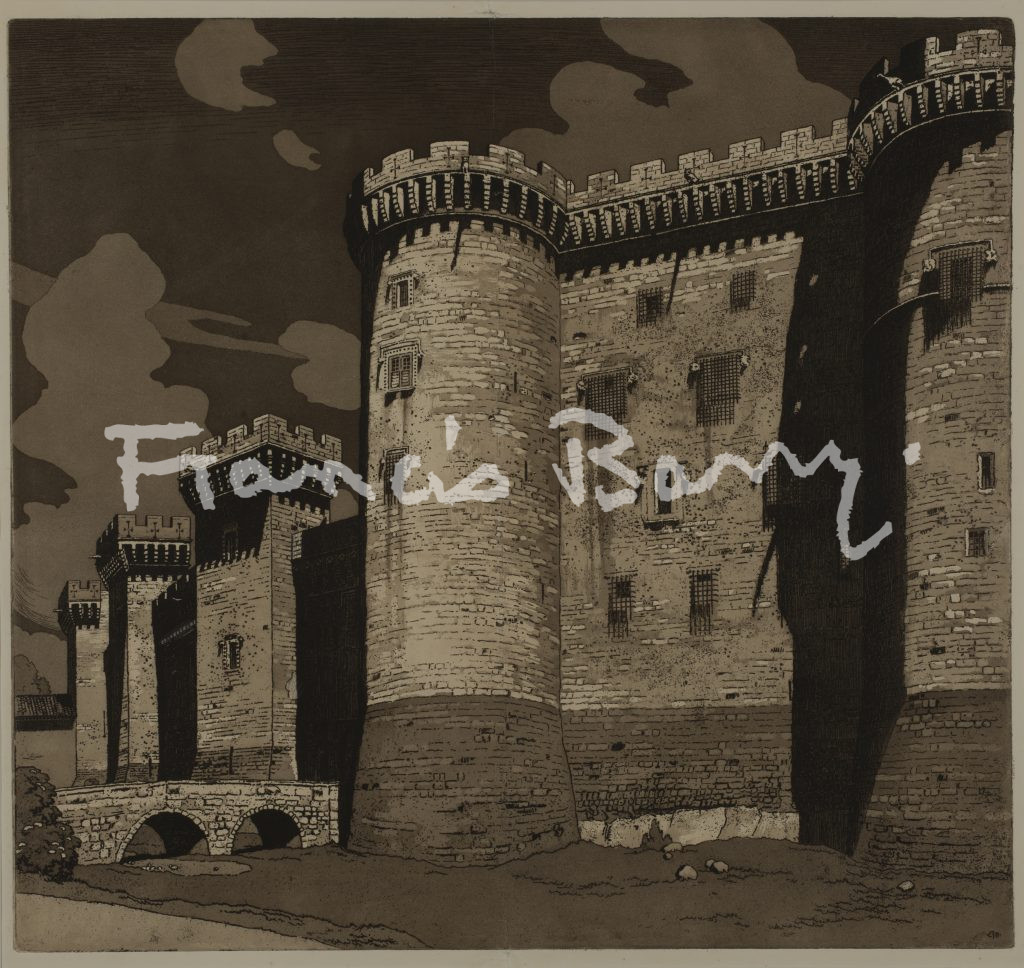
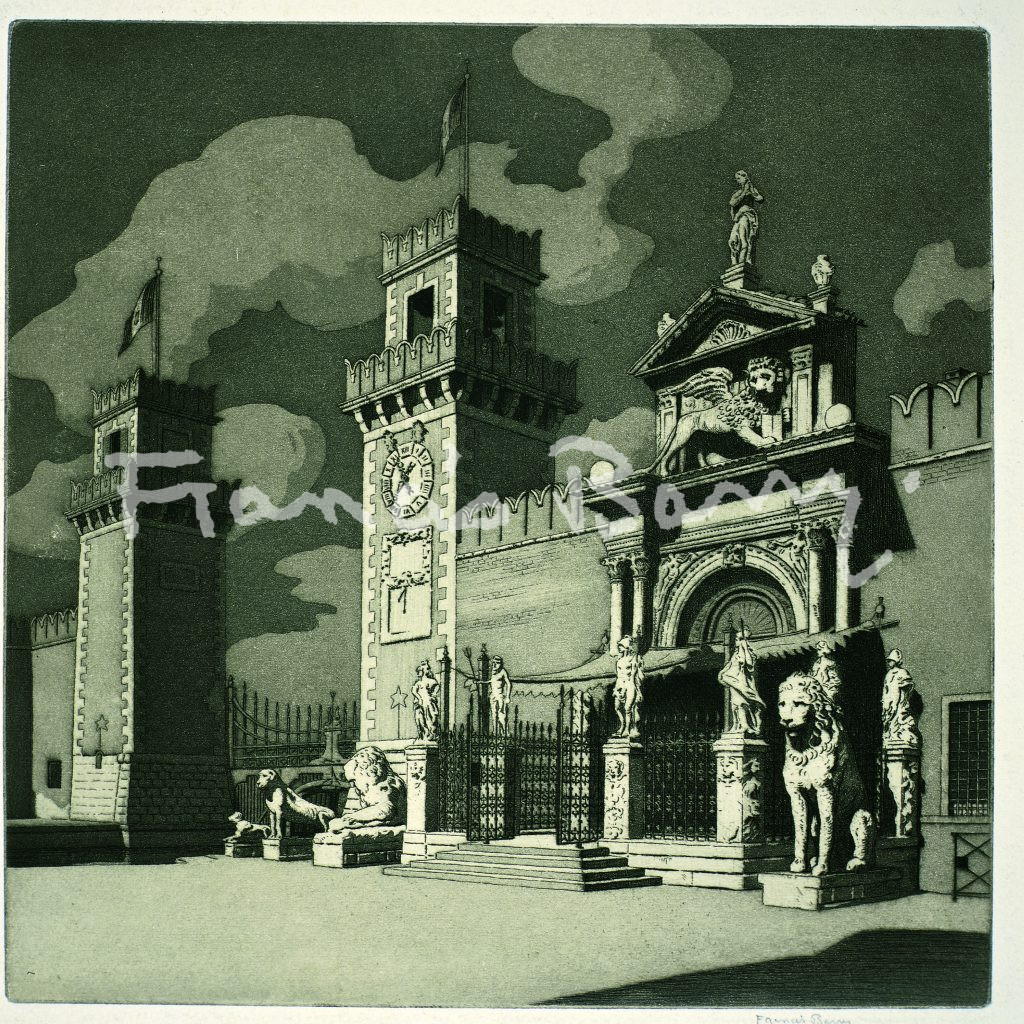
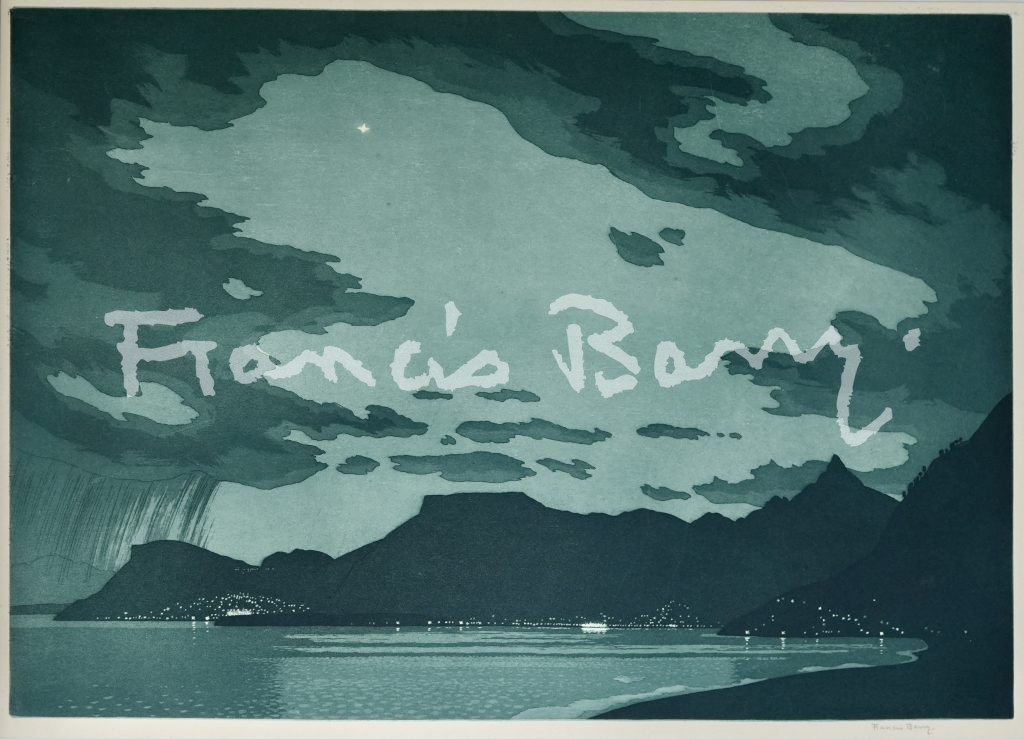
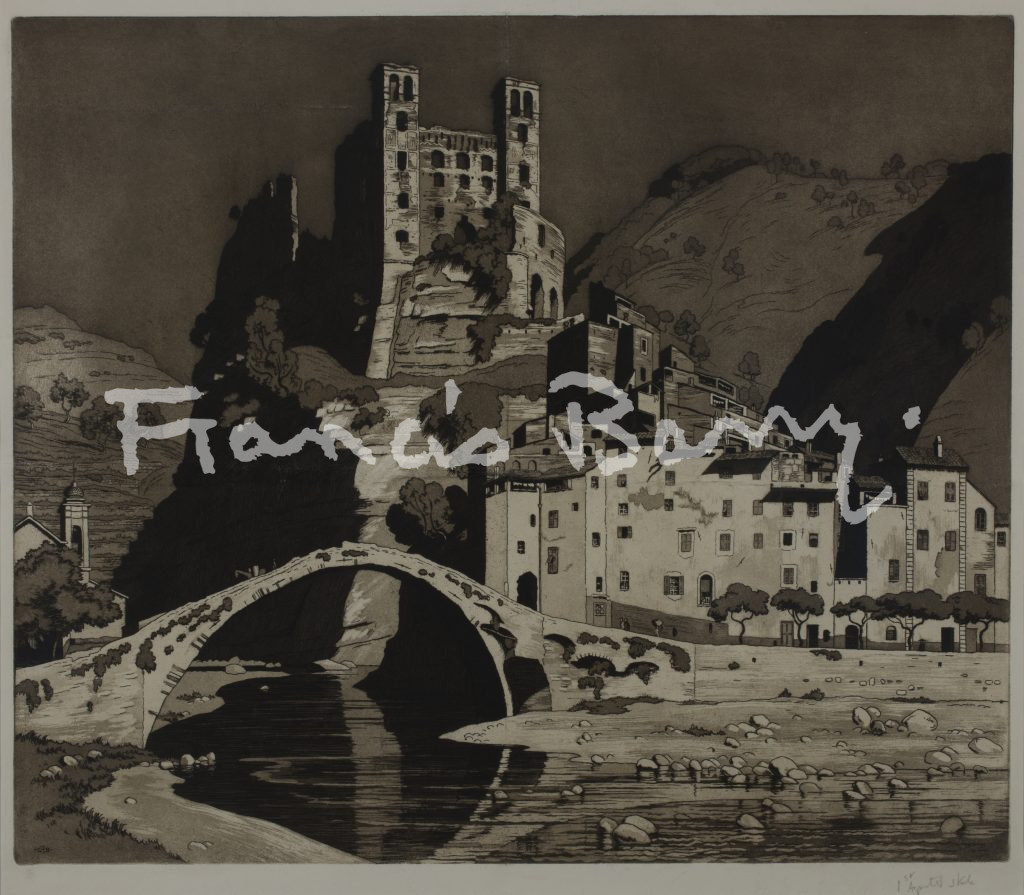
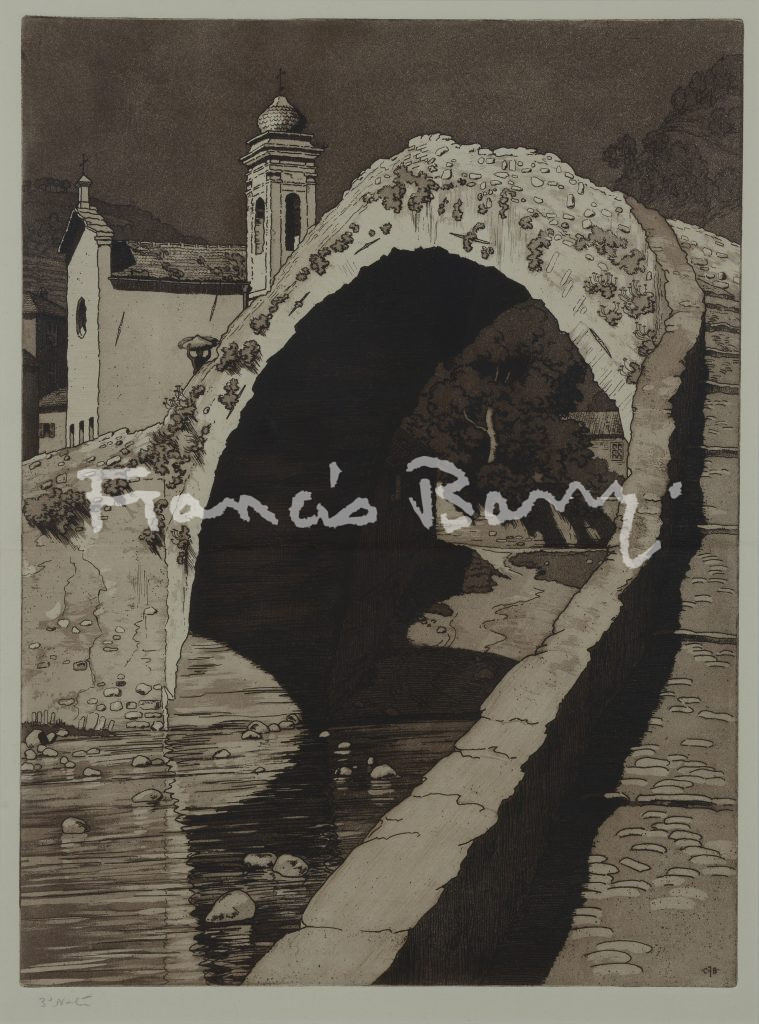
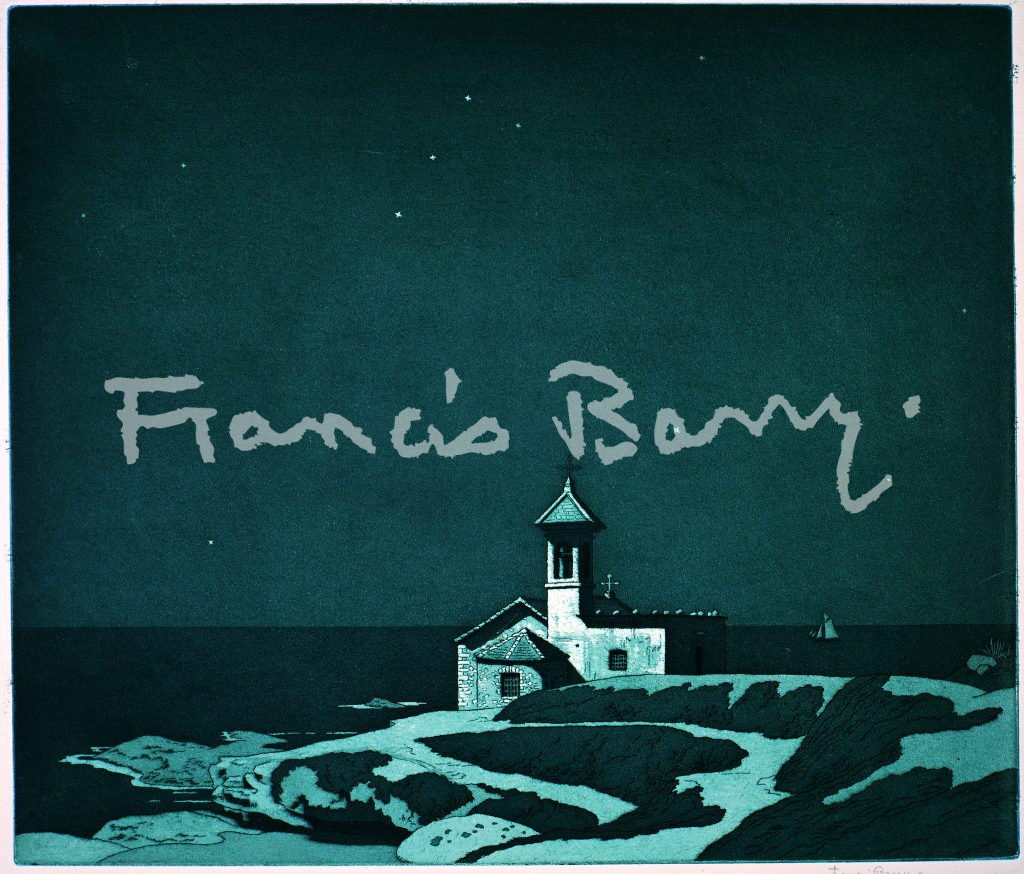
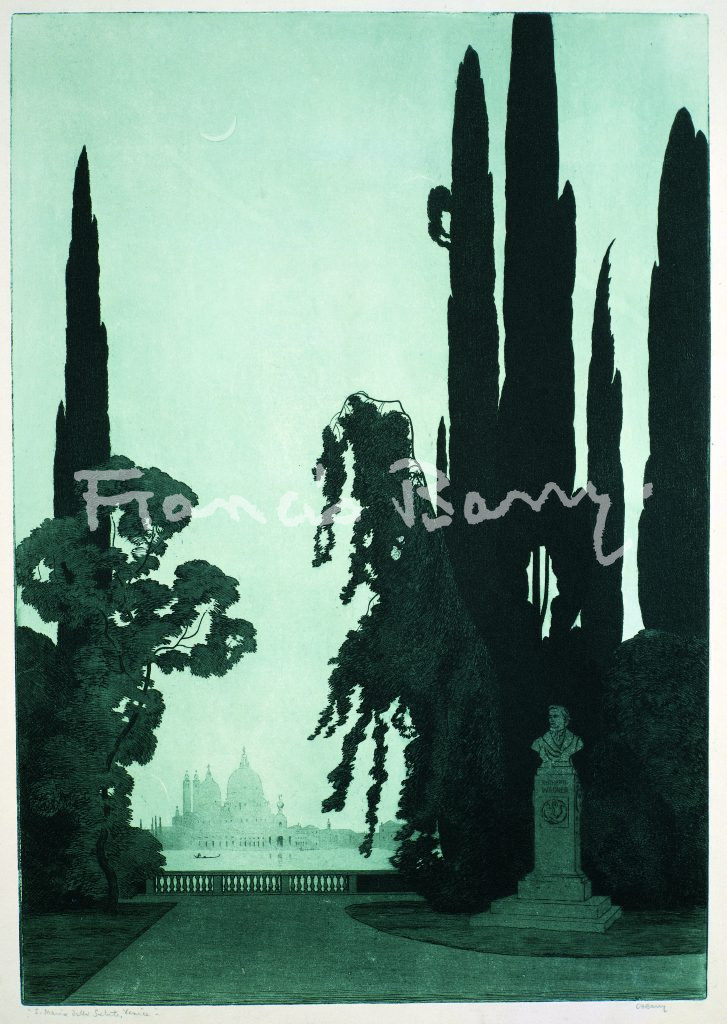
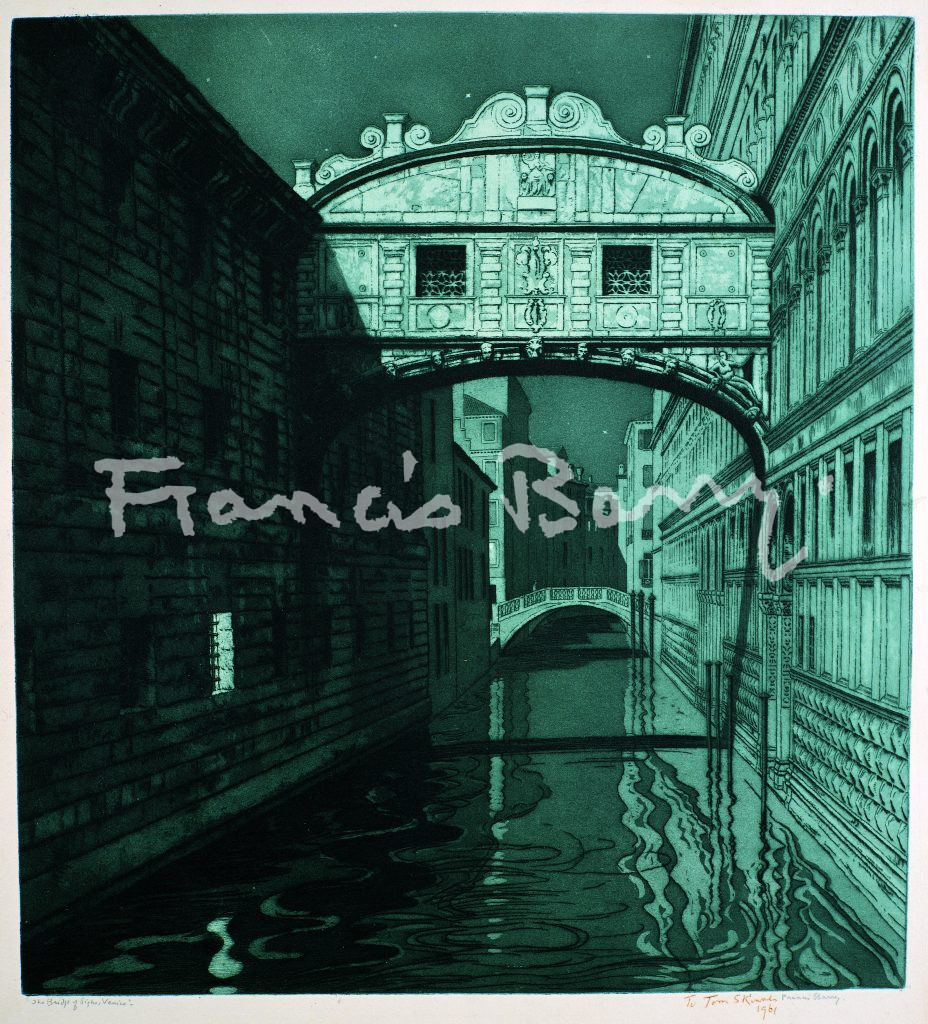
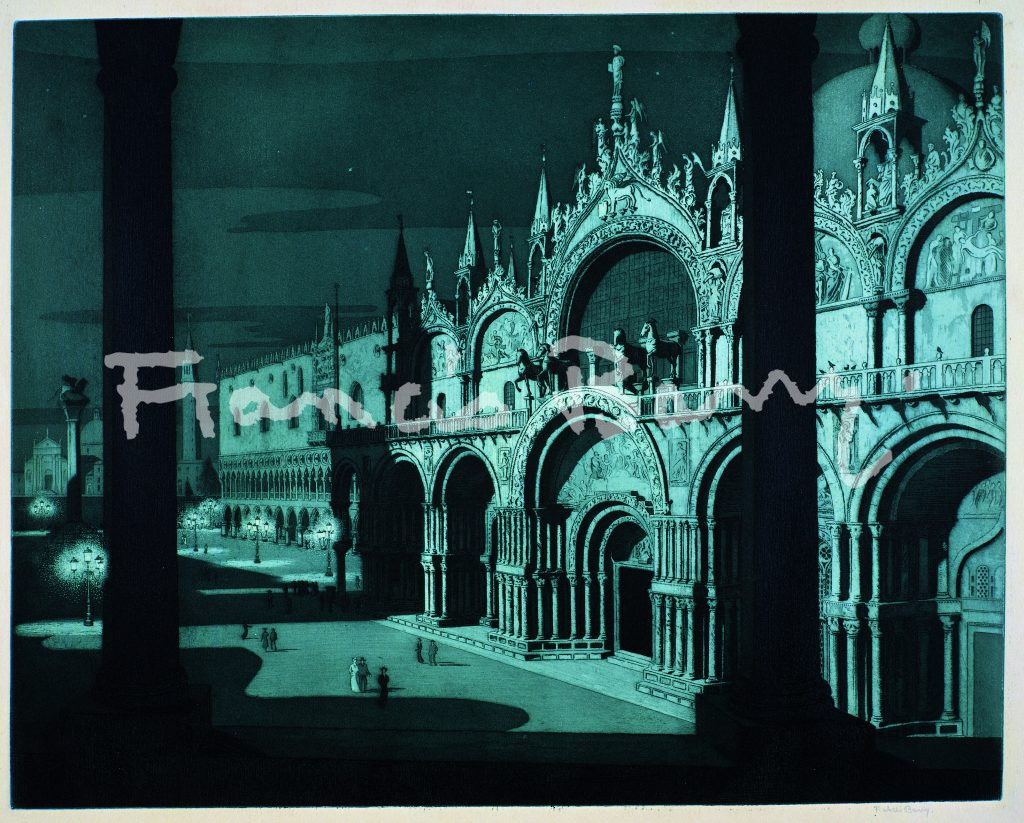
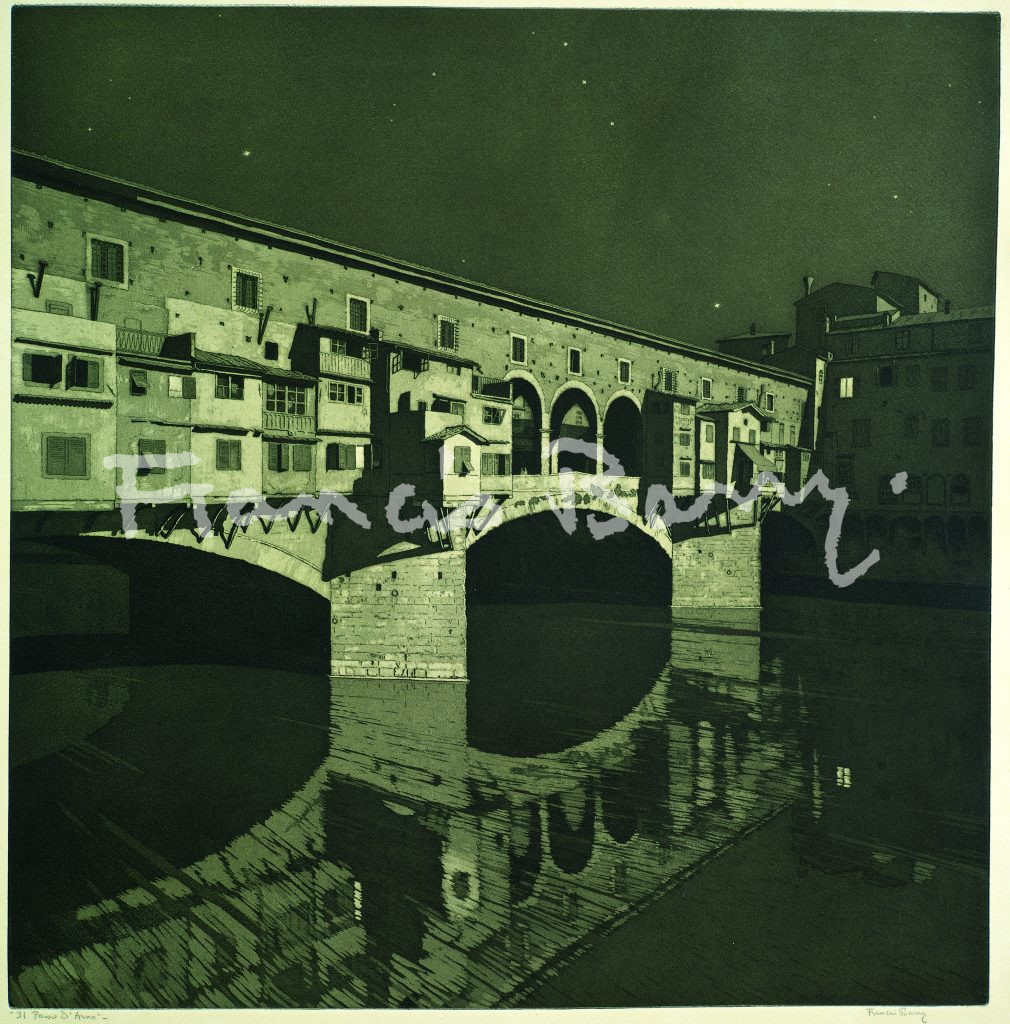
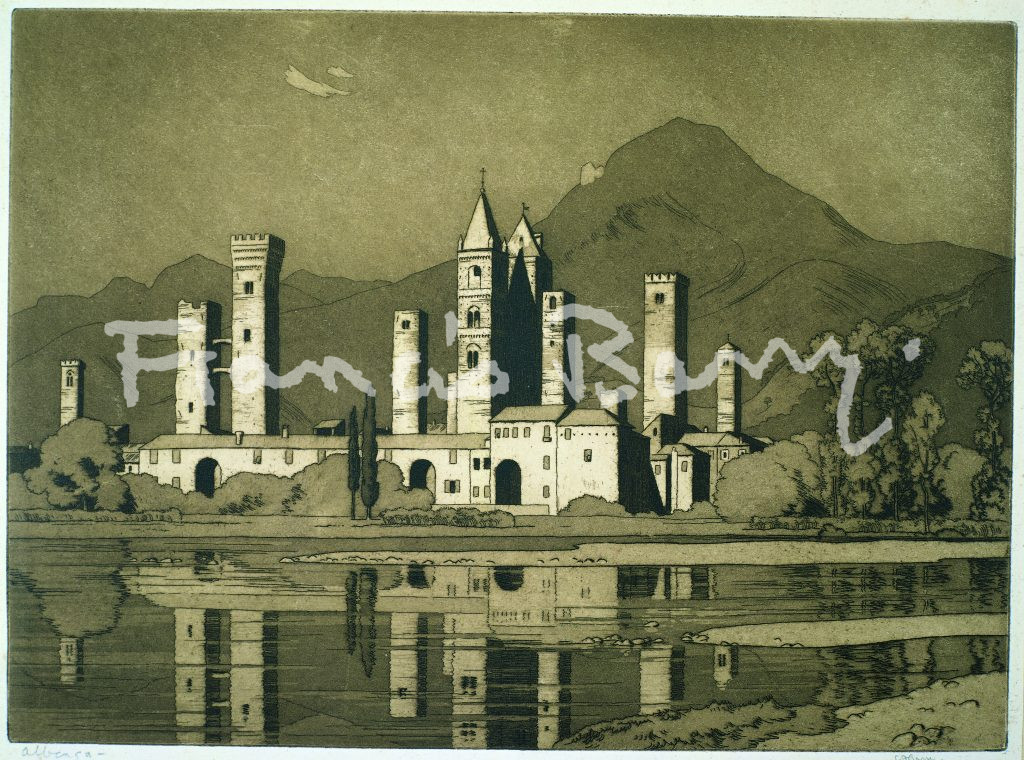
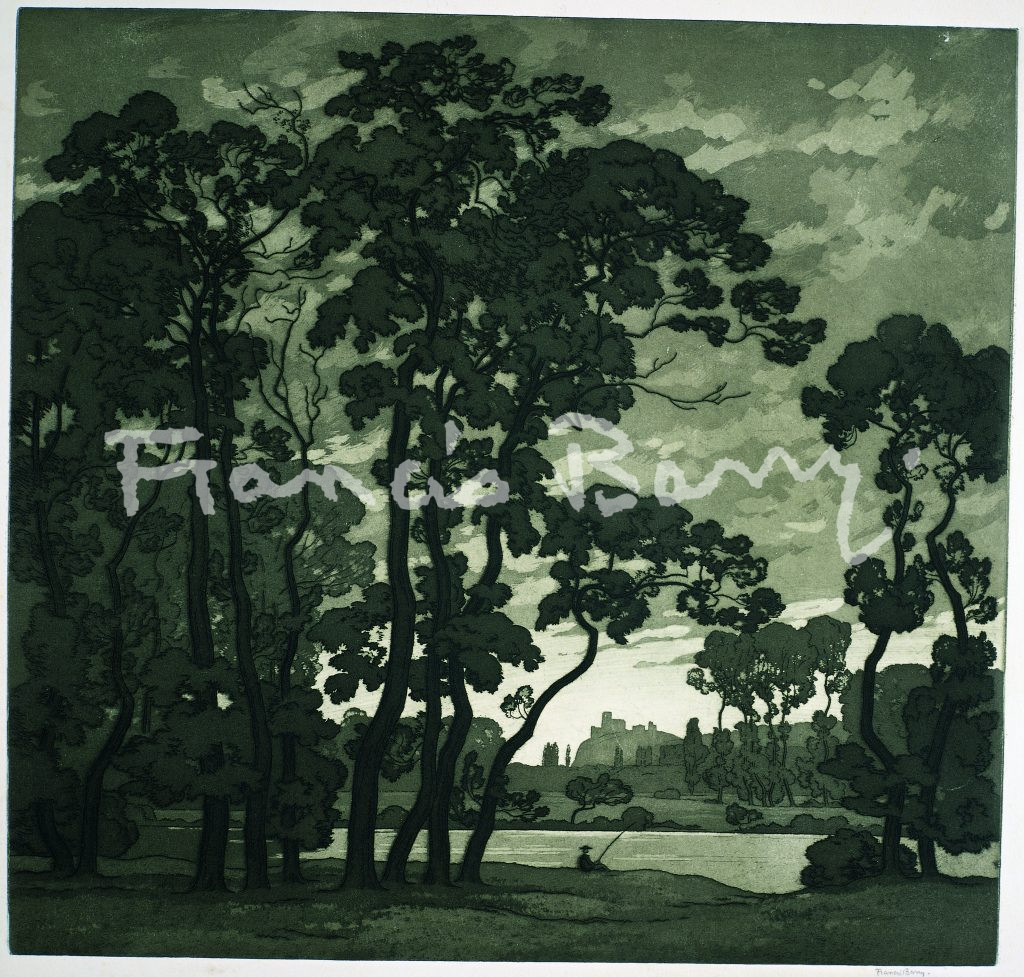
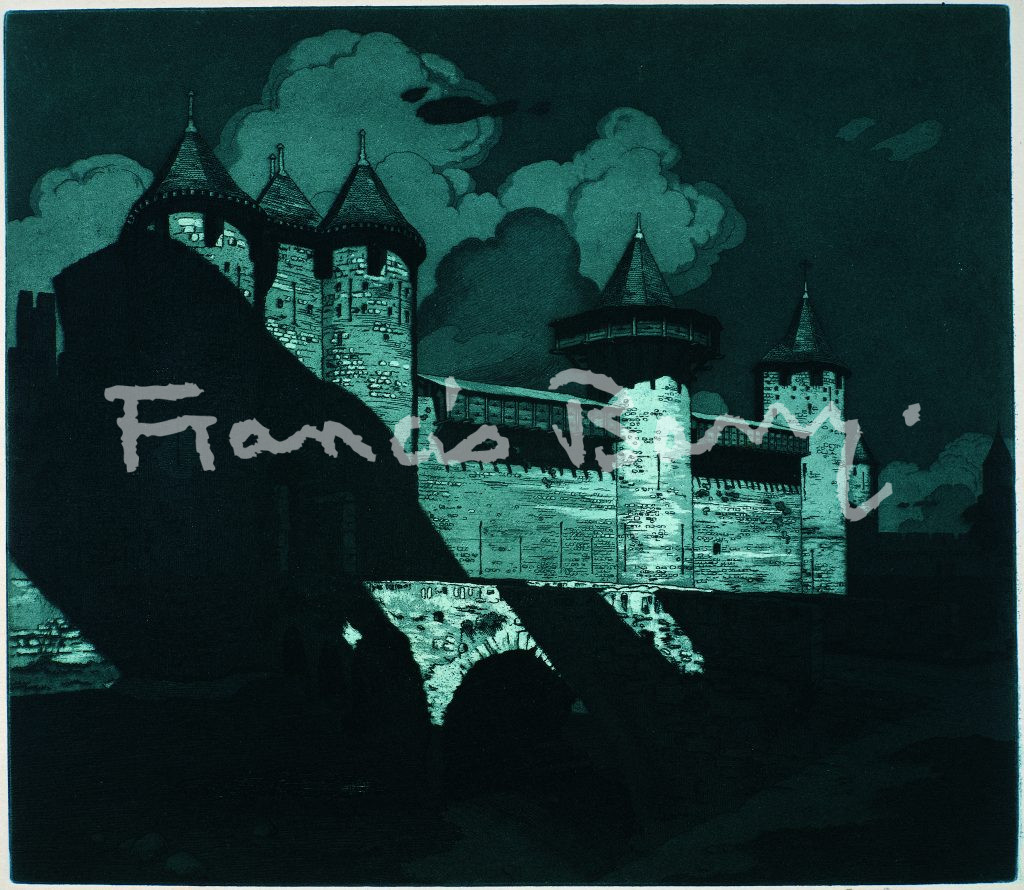
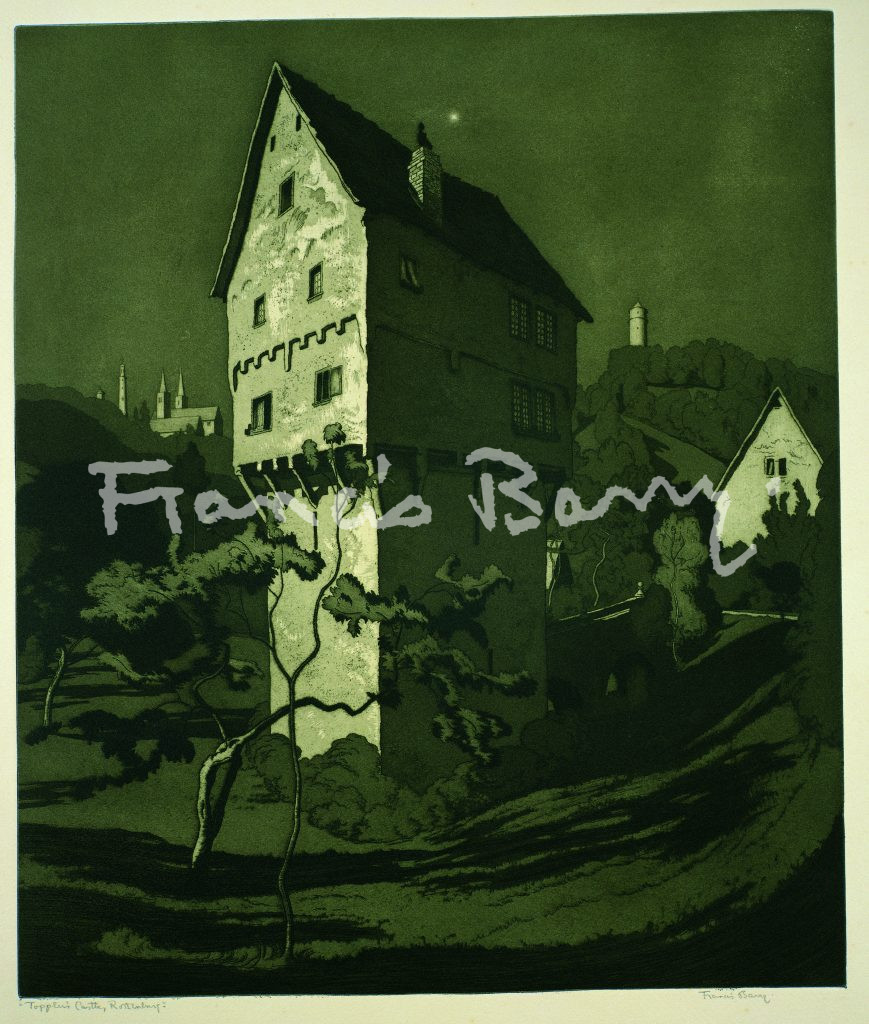
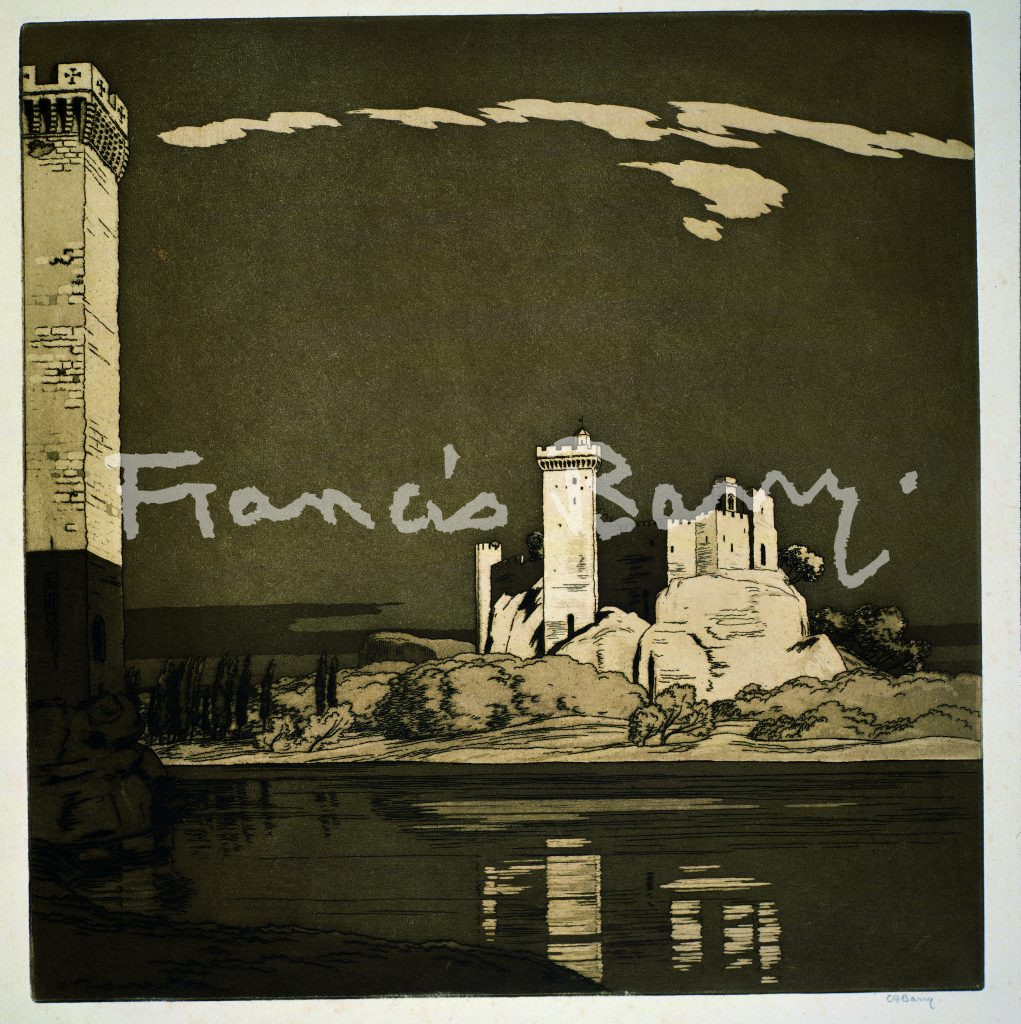
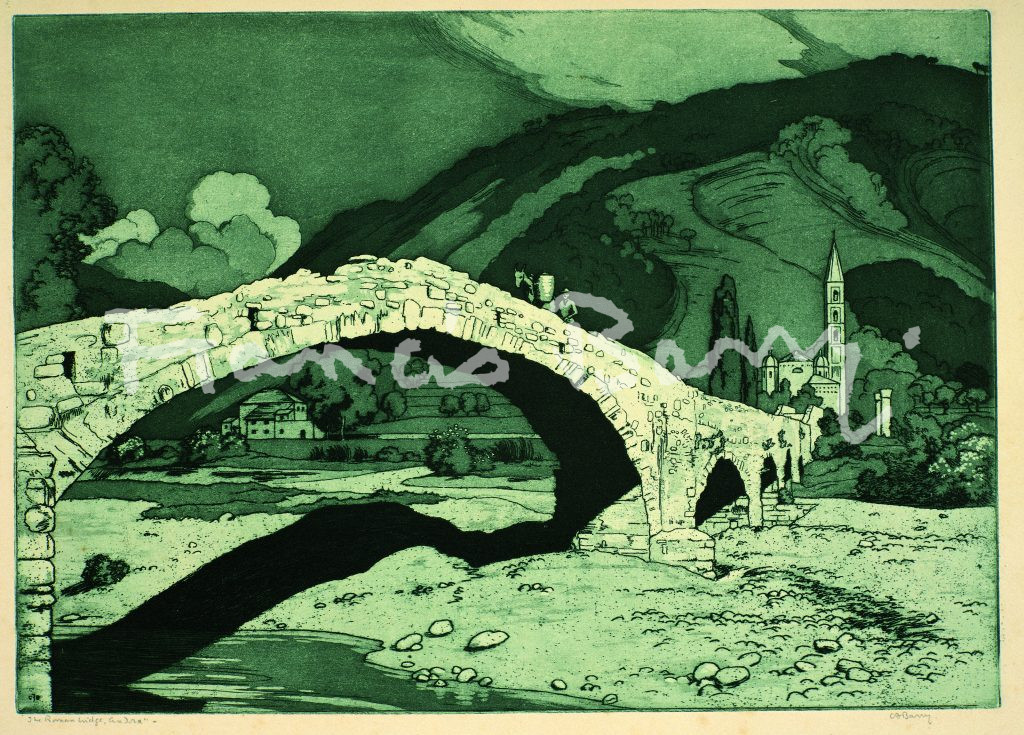
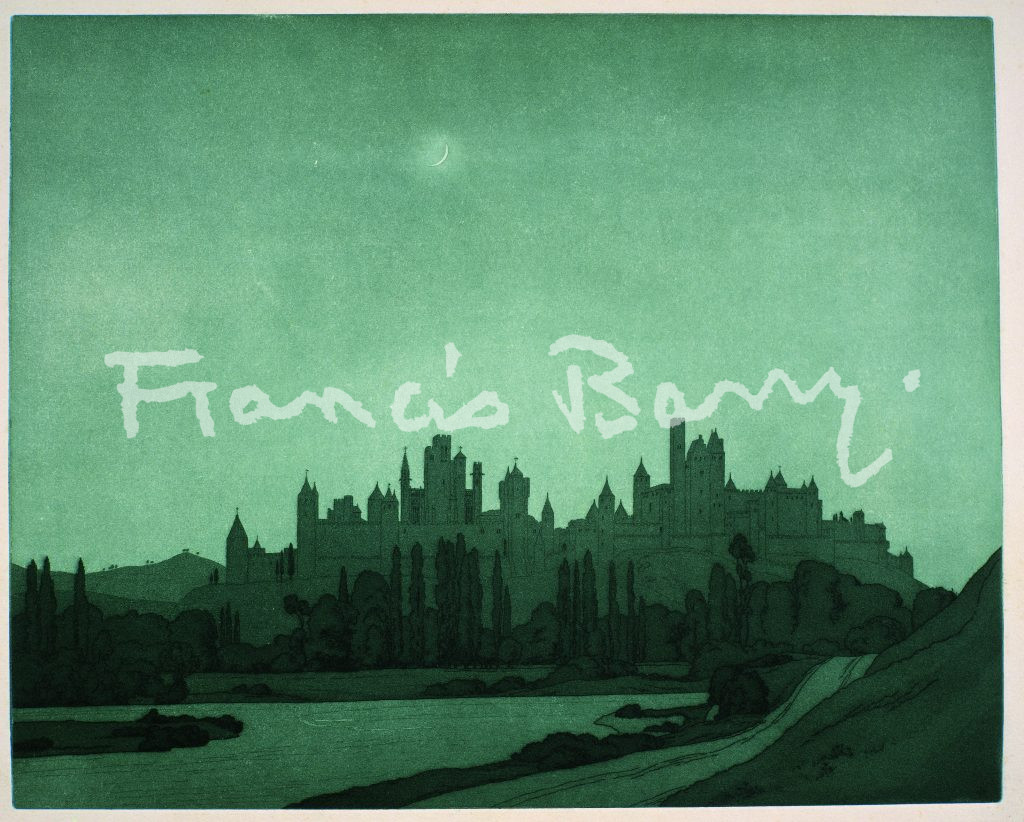
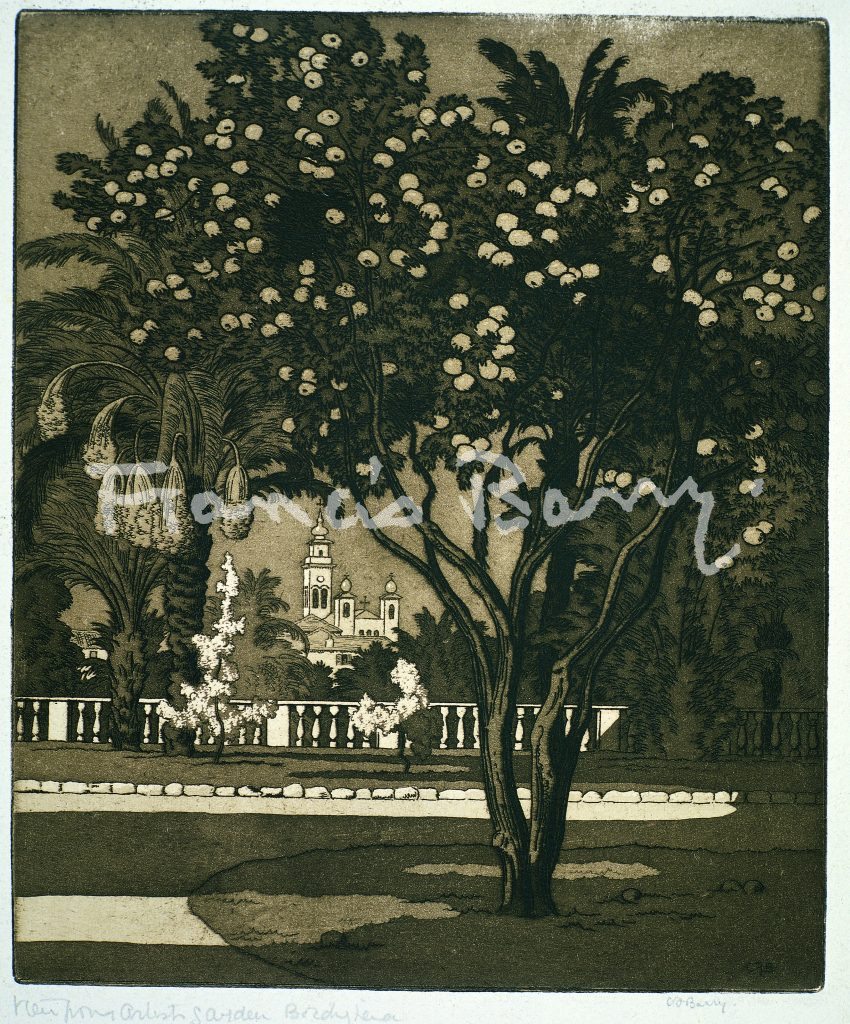
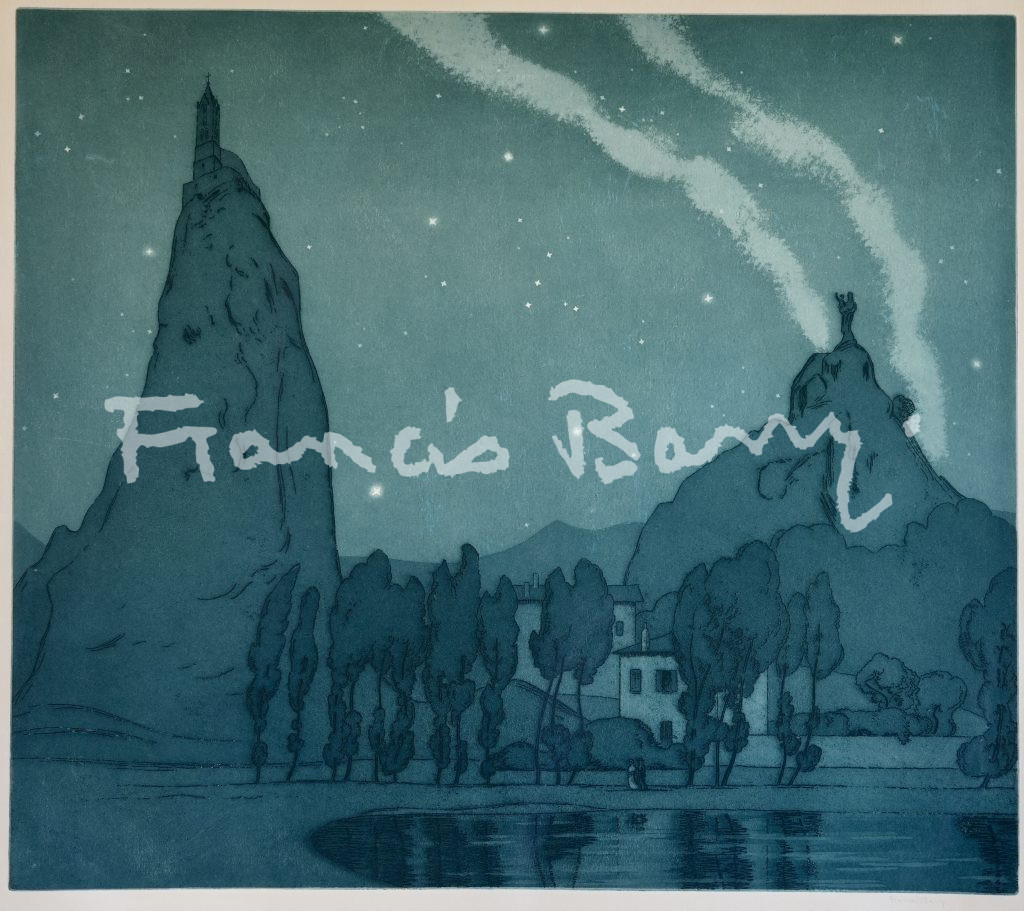
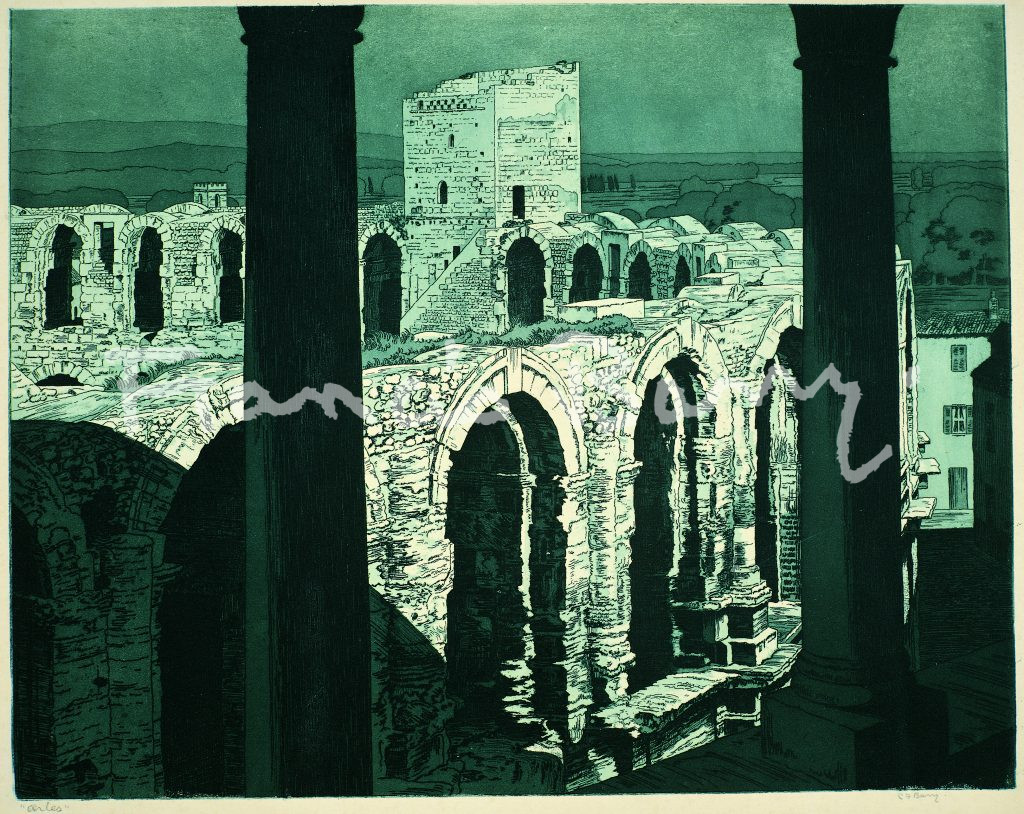
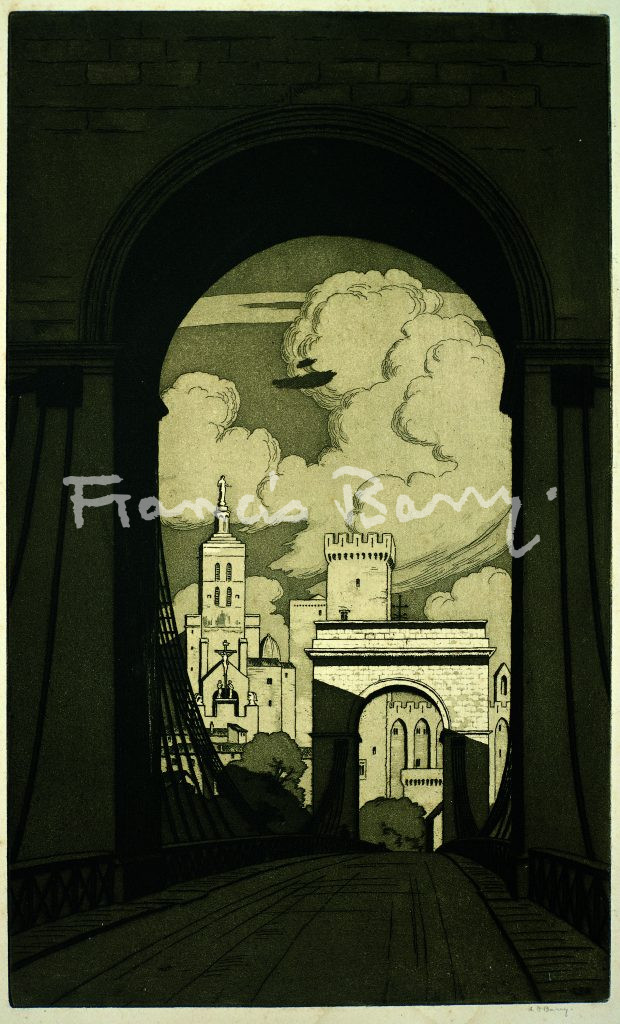
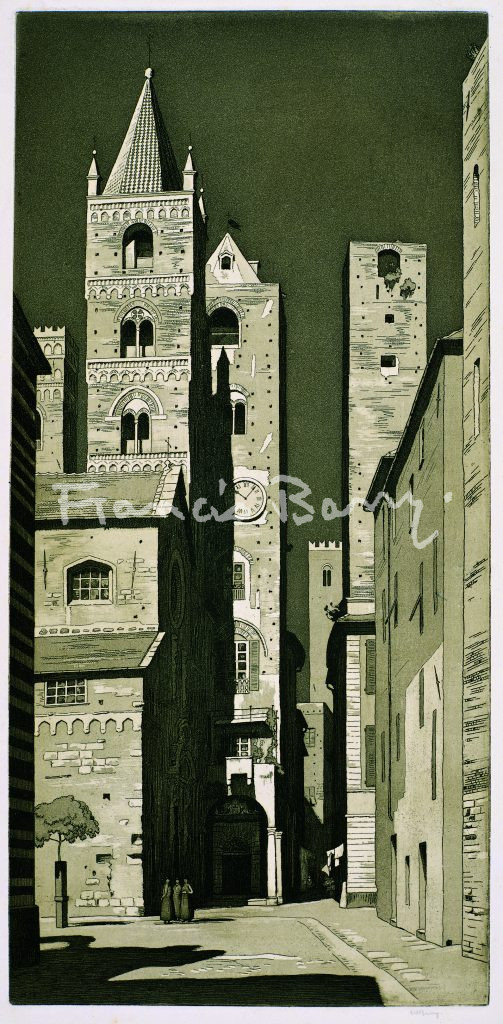
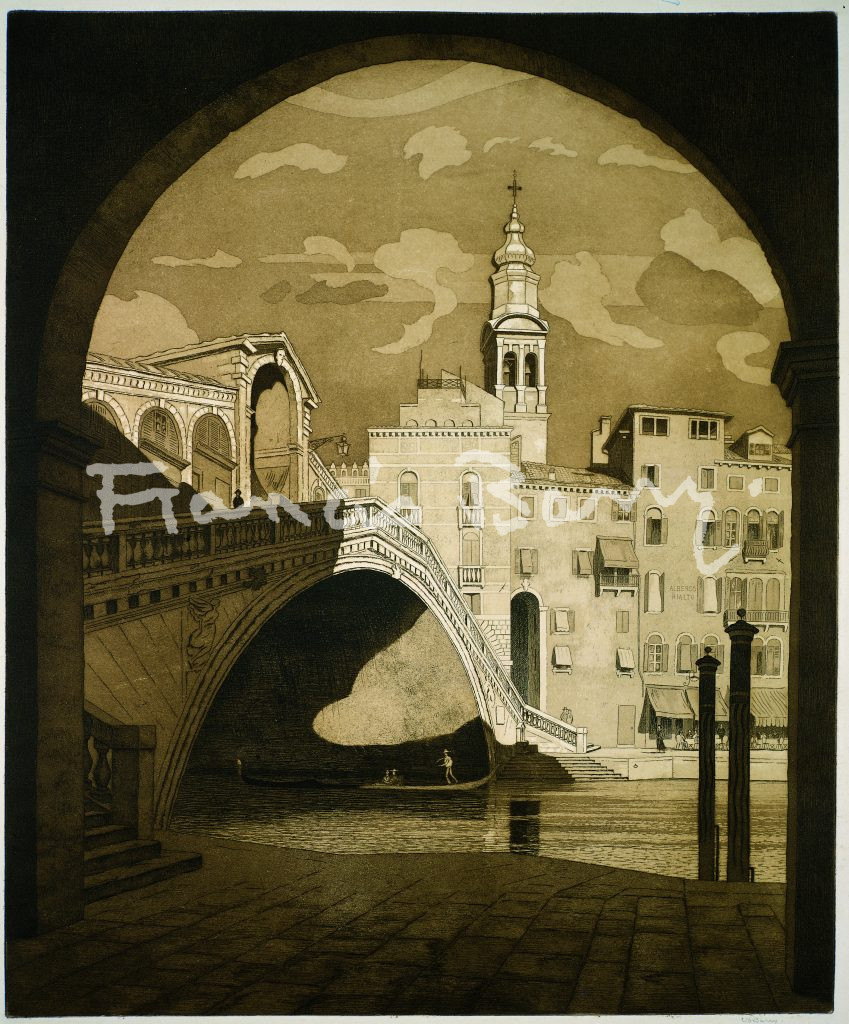
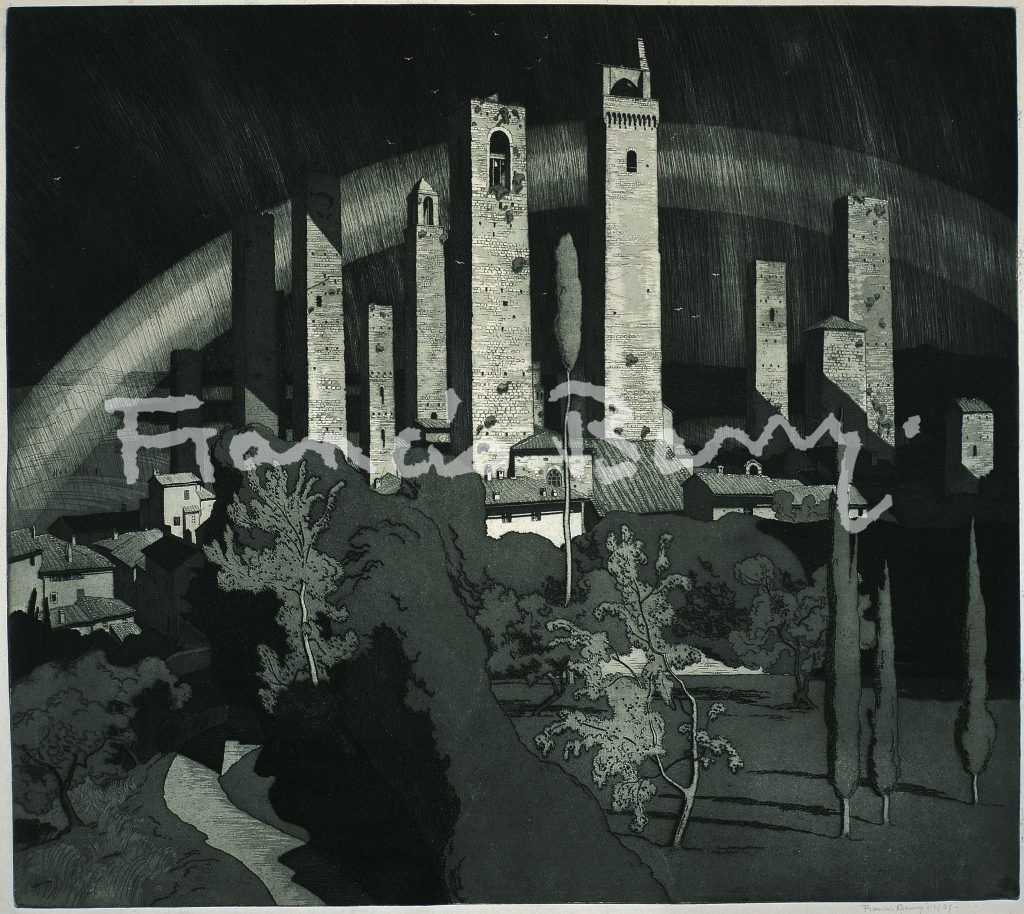
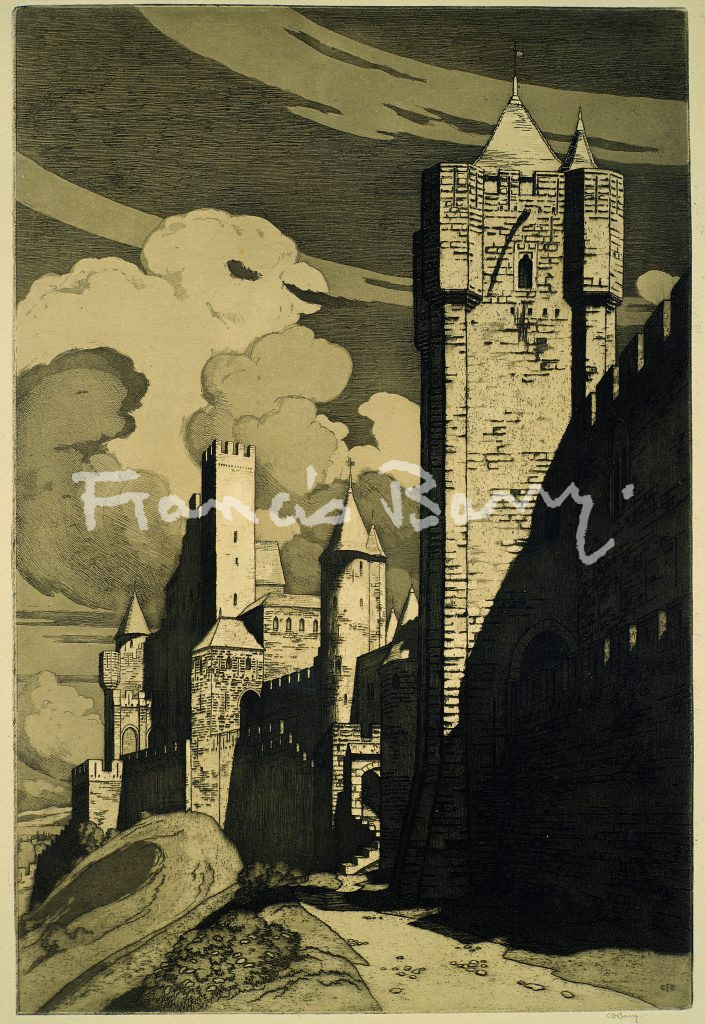
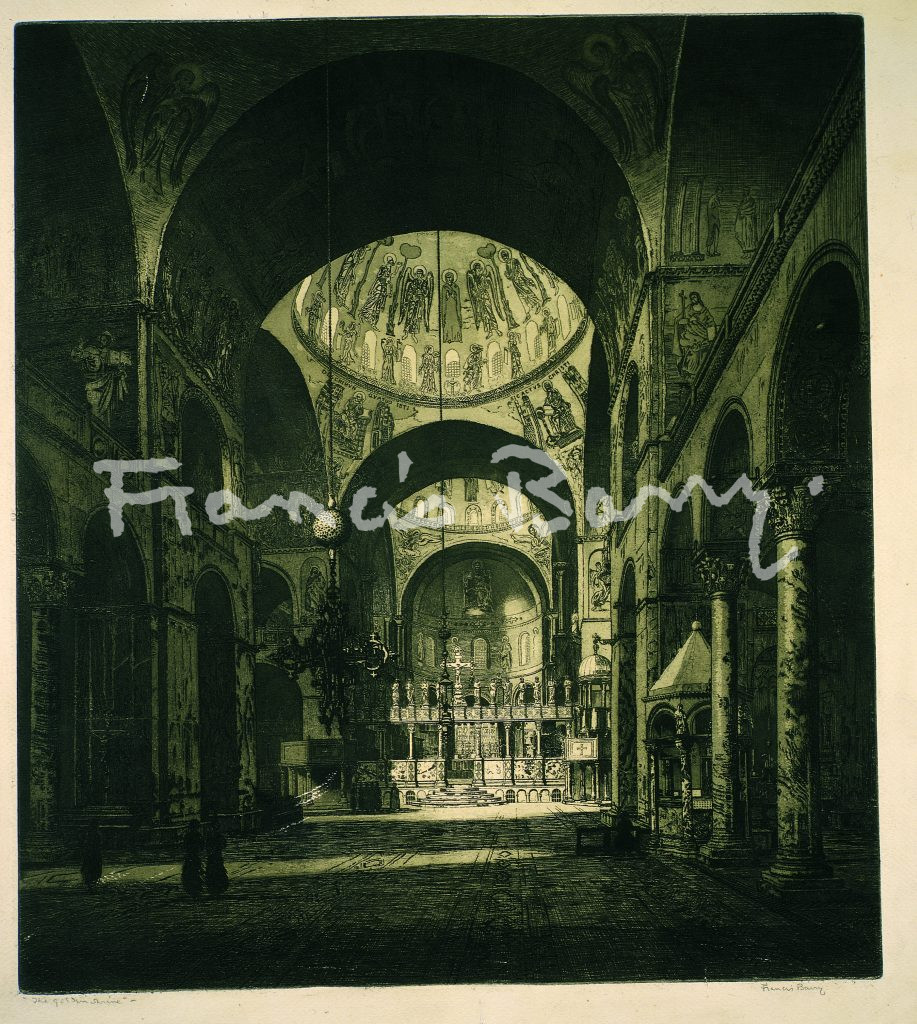
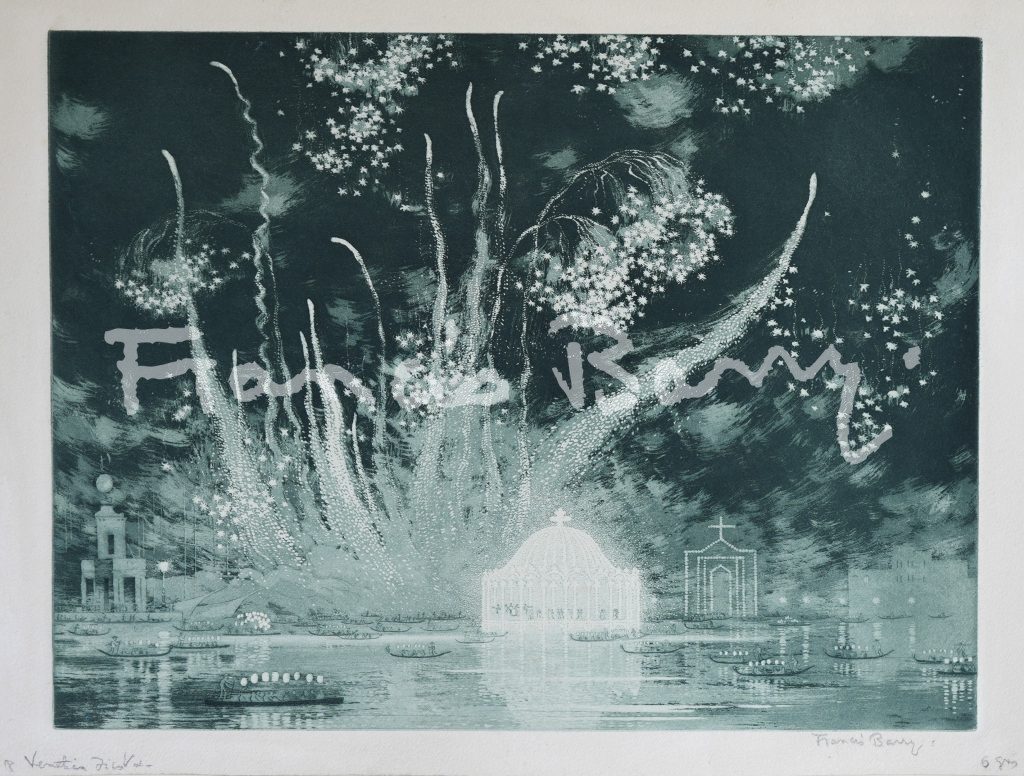
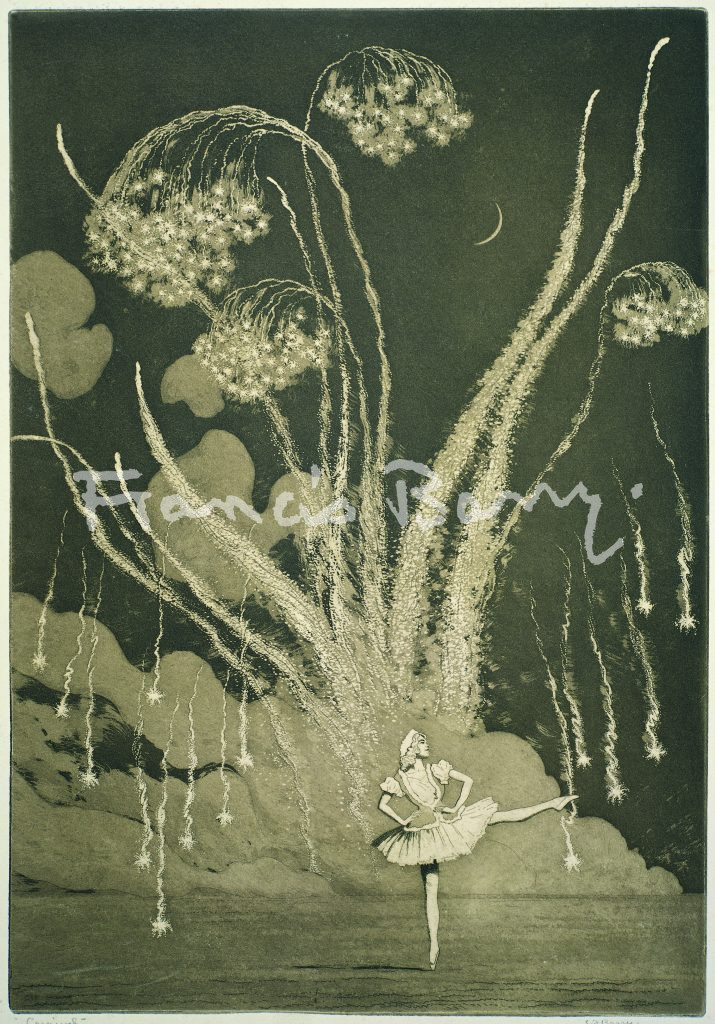
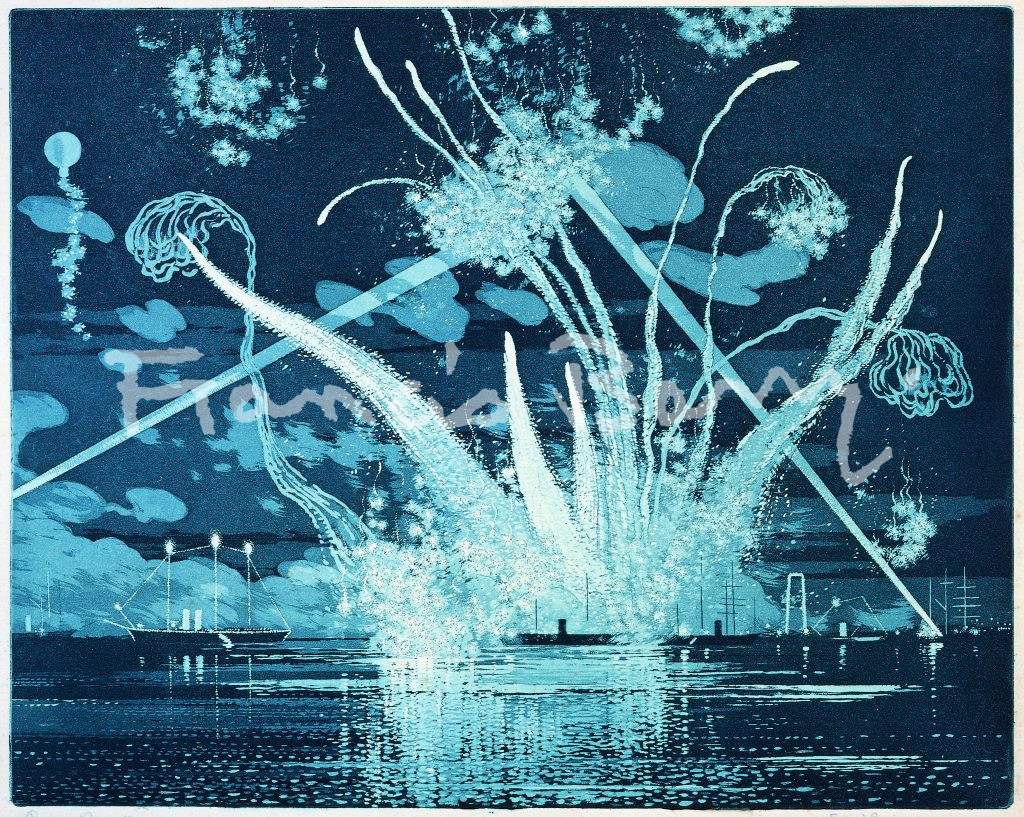
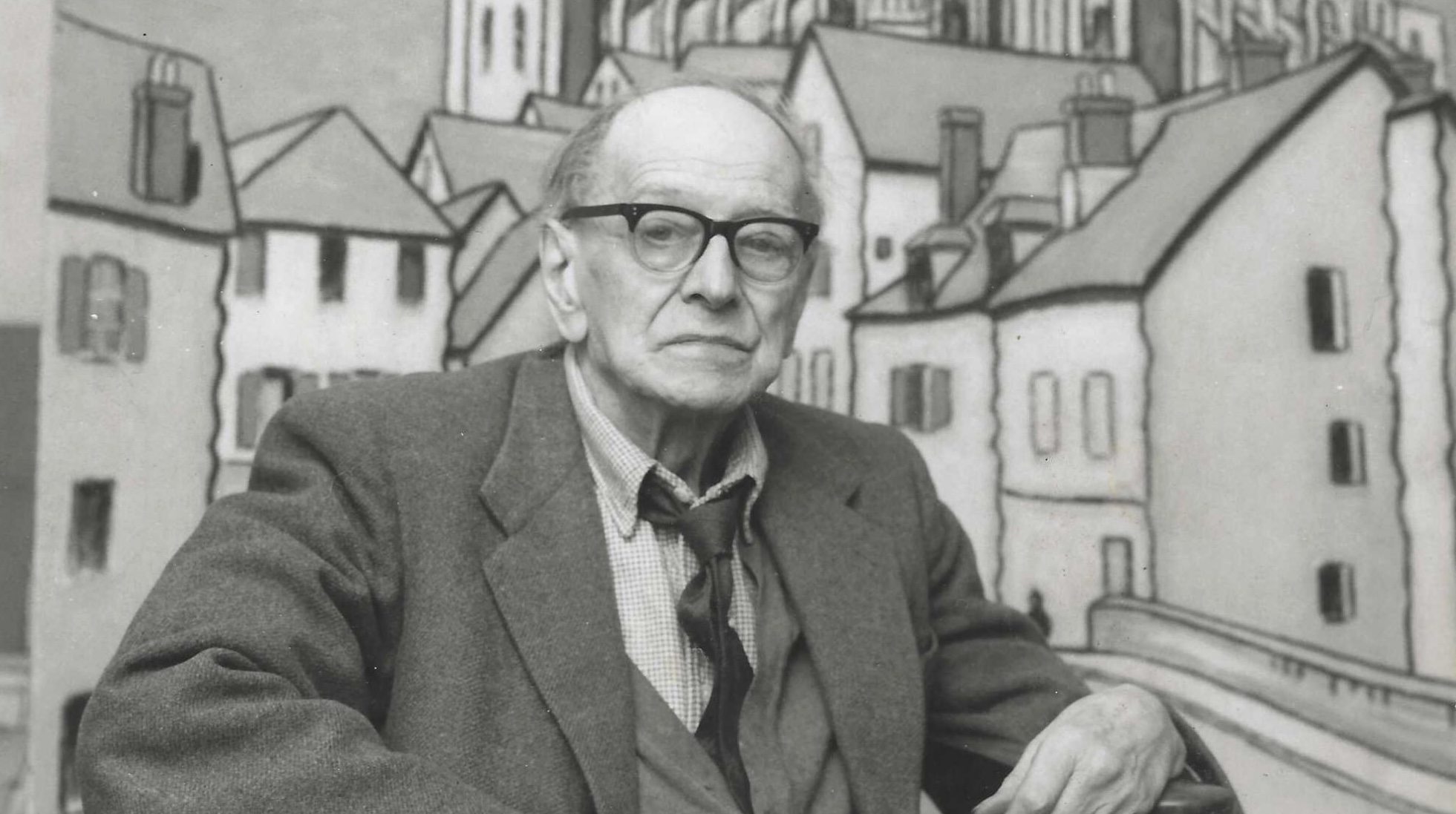
In 1944 an Allied bombing raid on Milan destroyed the warehouse containing the vast majority of his original plates. This loss ended the rhythm he had found in print making, as he never returned to the medium with the same intensity. Instead, he carried the structural lessons of the etching needle back into his final, vibrant phase of Pointillist painting, leaving his surviving prints as rare remnants of a lost European epoch.
If you would like to receive more information about Sir Claude Francis
Barry, Bt., R.B.A, why not get in touch?